Chemical Properties and Applications of Organic Acids
Organic acids are crucial in pharmaceuticals, food production, and cleaning. Their chemical structures and applications vary widely, impacting quality assurance in the industry.


Organic acids are crucial in pharmaceuticals, food production, and cleaning. Their chemical structures and applications vary widely, impacting quality assurance in the industry.
Ethyl chloride, chloroform, trichloroethylene, and tetrachloroethylene are important chemicals with distinct properties and applications in medical, industrial, and research contexts. Each compound serves various roles, from anesthetics to solvents and degreasers.
The adrenal gland and pancreas are key components of the endocrine system, each with distinct anatomical structures and hormonal functions. The article discusses their roles, common disorders, and associated health issues.
Elimination reactions in organic chemistry convert saturated compounds to unsaturated ones by removing atoms or groups. The two main mechanisms, E1 and E2, differ in their steps and reaction rates, influenced by substrate and base concentrations.
Cleaning validation recovery studies assess the effectiveness of sampling techniques for collecting residues from equipment surfaces in pharmaceuticals. These studies ensure that analytical data accurately reflects residual levels after cleaning, which is vital for regulatory compliance.
The pineal gland regulates circadian rhythms and melatonin production, while the thymus is essential for T cell development and immune response. Both glands can be affected by various disorders impacting their functions.
The article provides an overview of the pituitary, thyroid, and parathyroid glands, detailing their structures, functions, and common disorders. Understanding these glands is crucial for identifying endocrine-related health issues.
The salivary glands, pancreas, and liver are essential for digestion and health. Each organ has distinct structures and functions that support various bodily processes.
The urinary system filters blood and eliminates waste through components like the kidneys, ureters, bladder, and urethra. Each part plays a vital role in waste elimination and fluid regulation, with the kidneys performing critical functions such as detoxification and blood pressure control.
Energy-rich compounds are vital for cellular processes, primarily serving as fuel for metabolic reactions. The article categorizes these compounds, focusing on ATP and cAMP, and discusses their significance in energy transfer and cellular signaling.
Gluconeogenesis is a metabolic pathway that synthesizes glucose from non-carbohydrate sources, primarily in the liver. It plays a vital role in maintaining glucose levels during fasting, exercise, and in diabetes.
Glycolysis is the initial step in cellular respiration, breaking down glucose into pyruvate to generate ATP and NADH, crucial for energy production in various organisms. It operates in the cytosol without oxygen, highlighting its evolutionary importance and versatility in metabolism.
Understanding the half-lives of radiopharmaceuticals is crucial for their effective use and management. Both physical and biological half-lives inform shelf-life, dosing, and patient safety in medical applications.
Clean Hold Time Studies assess how long cleaned equipment can remain unused while maintaining cleanliness, crucial for product safety and compliance. The study distinguishes between clean and dirty hold times and involves structured risk assessments, sampling, and validation to ensure equipment remains suitable for use.
Inductive effects influence the acidity and reactivity of organic compounds, particularly carboxylic acids, amides, and esters. The article details qualitative tests for identifying these functional groups, including specific reactions and procedures for each type.
Understanding lung volumes and capacities is essential for assessing respiratory health and diagnosing conditions. Key measurements include tidal volume, inspiratory reserve volume, and total lung capacity, all of which are influenced by various factors.
Nerve impulses enable rapid communication in the nervous system, generated by ion movements across membranes. The article discusses the roles of receptors, synapses, and neurotransmitters in cellular signaling and communication.
Benzaldehyde, vanillin, and cinnamaldehyde are key aromatic compounds used in food, pharmaceuticals, and cosmetics. Their structures, applications, and qualitative testing methods, particularly Schiff's test, are vital for quality assurance in manufacturing.
Radiopharmaceuticals are radioactive compounds used in medical diagnostics and therapy, categorized into four main types. Understanding radioactivity, its measurement, and the characteristics of different radiation types is essential for their effective use.

Free energy, enthalpy, and entropy are key thermodynamic properties that influence chemical processes in pharmaceutical manufacturing and quality control. Understanding their relationships helps predict reaction spontaneity and feasibility.
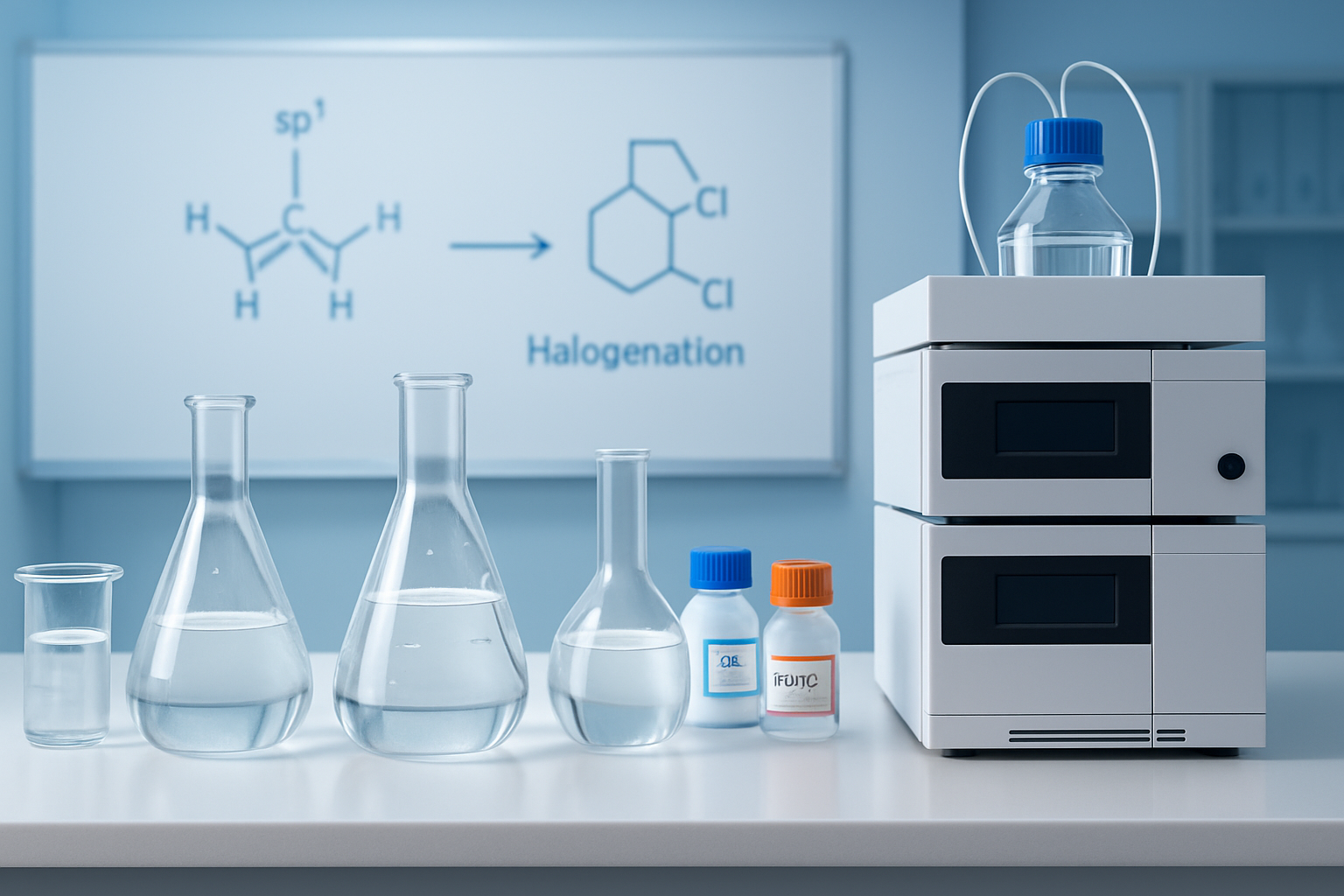
The article discusses sp3 hybridization in alkanes, explaining how carbon forms four equivalent bonds, and outlines the halogenation process where hydrogen is replaced by halogens. It also highlights the applications of paraffins in fuels and various industries.
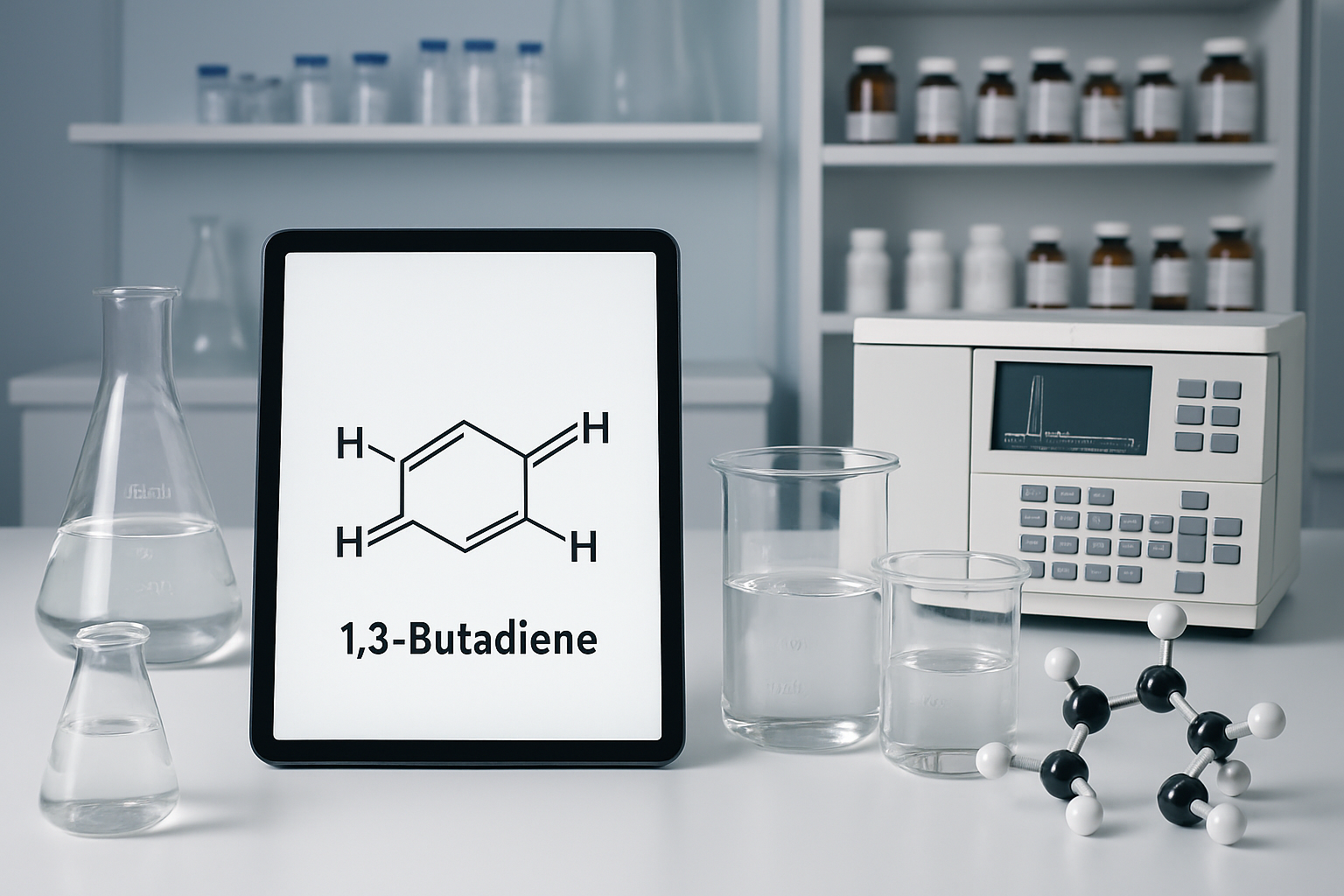
Conjugated dienes, with alternating double and single bonds, exhibit enhanced stability due to charge delocalization and resonance. Their stability is crucial for reactions like the Diels-Alder and electrophilic addition, which are significant in synthetic organic chemistry.
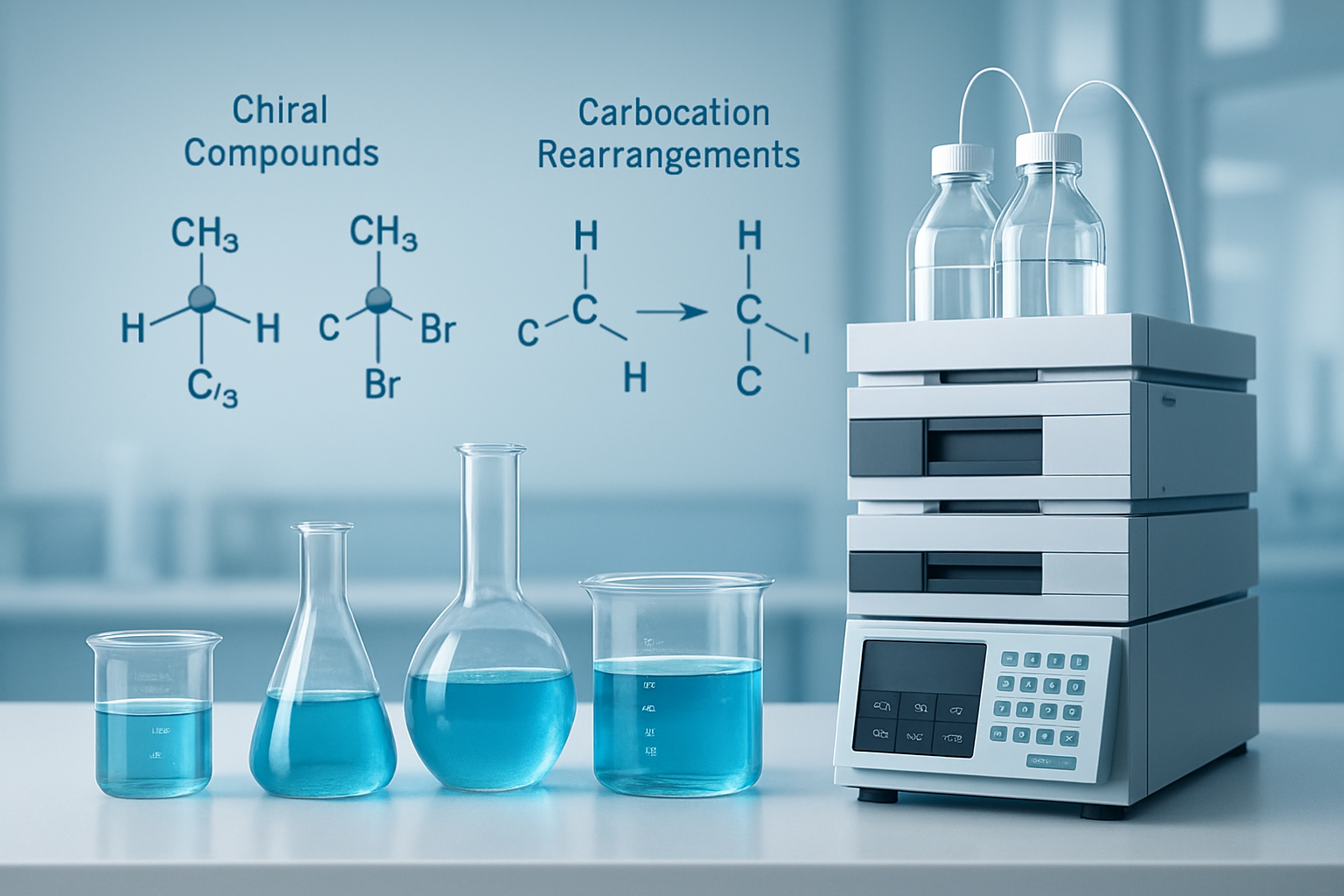
Stereochemistry focuses on the spatial arrangement of atoms in molecules, influencing their behavior and properties. Carbocation rearrangements, including hydride and alkyl shifts, are key mechanisms that enhance stability in organic reactions.

Acceptance criteria for cleaning validation in pharmaceuticals define allowable residue levels on equipment post-cleaning. Establishing these criteria involves scientific assessments of risks, residue calculations, and validation of analytical methods to ensure effective contamination control.

The article discusses the chemical properties and applications of dichloromethane, tetrachloromethane, and iodoform, highlighting their roles in various industries, including pharmaceuticals and manufacturing. It details their structures, uses, and safety considerations.

Kidney failure can occur acutely or chronically, each presenting unique challenges for diagnosis and management. Acute kidney failure develops rapidly and may be reversible, while chronic kidney failure progresses gradually, leading to significant health complications.

Benzene is a colorless, carcinogenic hydrocarbon with a unique cyclic structure and significant industrial applications, particularly in producing polystyrene and various chemicals. Its stability and reactivity are defined by its aromatic nature, leading to distinct chemical behaviors.

Dirty hold time studies assess the maximum duration manufacturing equipment can remain uncleaned, evaluating residue removability and associated risks. These studies require careful methodology, sampling, and analysis to ensure effective cleaning validation in pharmaceutical production.

The review of validation data is essential in pharmaceutical quality assurance, ensuring studies align with protocols and generate valid results. QA must assess deviations, trace results to primary data, and confirm data integrity while addressing any issues or unexpected findings.

Aquatic ecosystems, including freshwater and marine environments, support diverse organisms and are vital for ecological health. Freshwater habitats like lakes and rivers differ from marine ecosystems such as oceans and estuaries, each hosting unique communities and interactions.

Barcode technology enhances inventory management and drug dispensing in pharmacies by enabling accurate tracking and reducing manual entry errors. Automated dispensing systems further streamline operations and improve patient safety by minimizing medication errors and securing controlled substances.

Cellular health is vital in pharmacology, influencing drug efficacy and safety. The article discusses causes of cell injury, mechanisms involved, and how cells adapt to stress through various changes in morphology and function.

Wound healing involves distinct phases: hemostasis, inflammation, proliferation, and remodeling, each crucial for tissue repair. Atherosclerosis develops through stages of fatty streaks, fibrous plaques, and complicated lesions, driven by chronic inflammation and plaque accumulation.

Binary operations, including addition, subtraction, multiplication, and division, are fundamental for data processing in computing. Understanding these operations is crucial for anyone in computer science and electronics.

Understanding number systems like binary, decimal, octal, and hexadecimal is crucial in computing. Each system has unique characteristics and applications in programming and data representation.

Cholesterol is essential for cell membrane structure, bile acid synthesis, and steroid hormone production, playing a complex role in health and disease. Its biosynthesis involves multiple metabolic pathways, and its conversion to bile acids aids in fat digestion and cholesterol regulation.
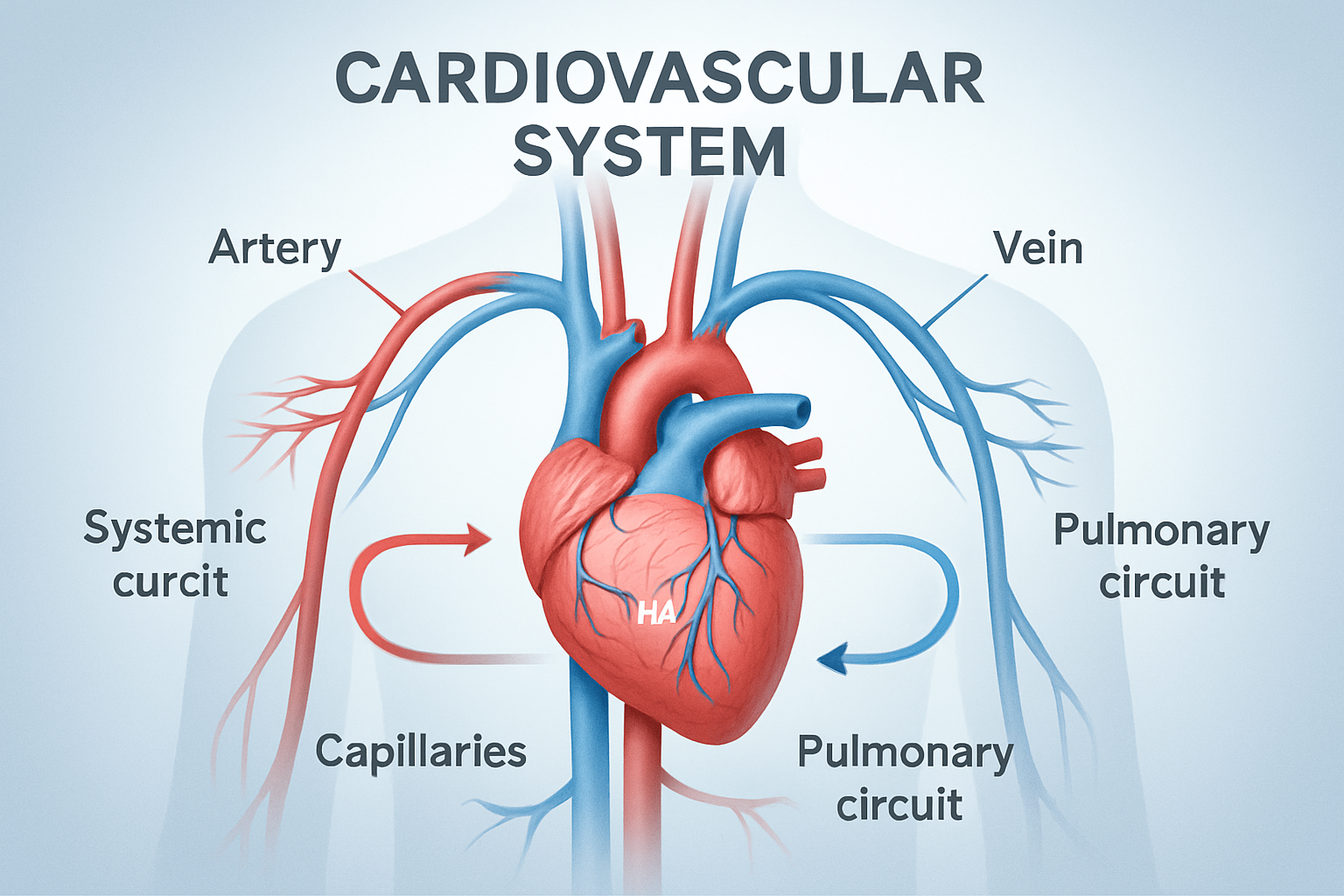
The cardiovascular system includes the heart, blood vessels, and circulation, playing a vital role in delivering oxygen and nutrients. Disruptions can lead to serious health issues, making understanding its anatomy and function essential for maintaining overall health.
Heme catabolism is vital for blood health and liver function, influencing conditions like hyperbilirubinemia and jaundice. The liver processes bilirubin, and elevated levels can lead to jaundice, particularly in newborns.

Validation deviations are non-conformances during validation processes that can impact product integrity and regulatory compliance. They are categorized into critical, major, and minor deviations, each requiring specific containment measures and thorough investigations to assess their impact and implement corrective actions.
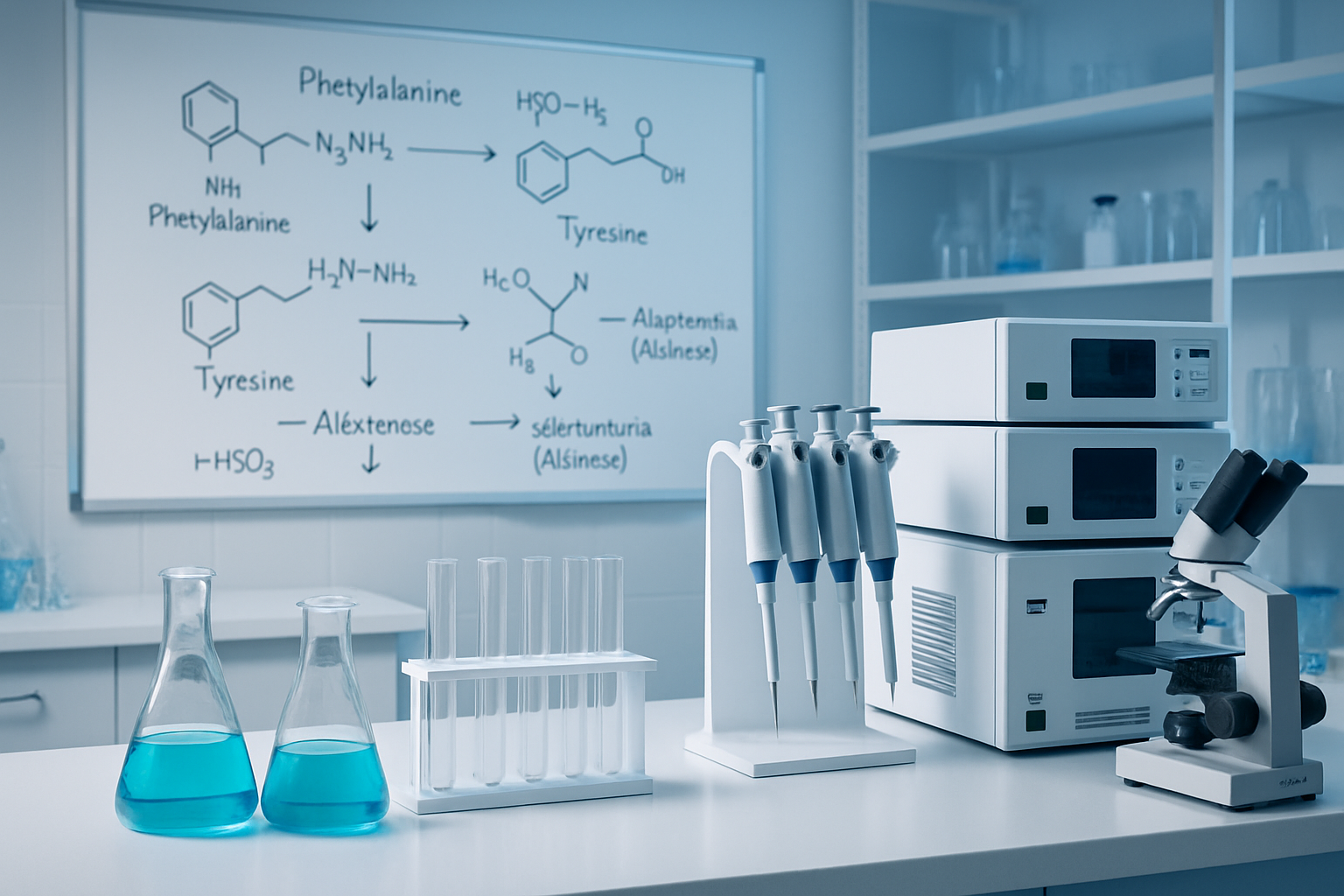
Phenylalanine and tyrosine are crucial amino acids involved in various metabolic processes. Their catabolism is linked to several disorders, including phenylketonuria, albinism, alkaptonuria, and tyrosinemia, each with distinct causes and health implications.

Purine metabolism is crucial for uric acid production, impacting conditions like hyperuricemia and gout. Elevated uric acid can lead to joint pain and inflammation, often triggered by dietary factors.

Cellular injury arises from various causes, including oxygen deprivation, physical trauma, chemical exposure, and genetic abnormalities. Understanding these factors and their mechanisms is essential for addressing disease processes and therapeutic responses.

Cell swelling, accumulation of substances, and calcification are key concepts in cellular pathology that affect cellular function and health. These processes can lead to significant cellular injury and impact organ function.
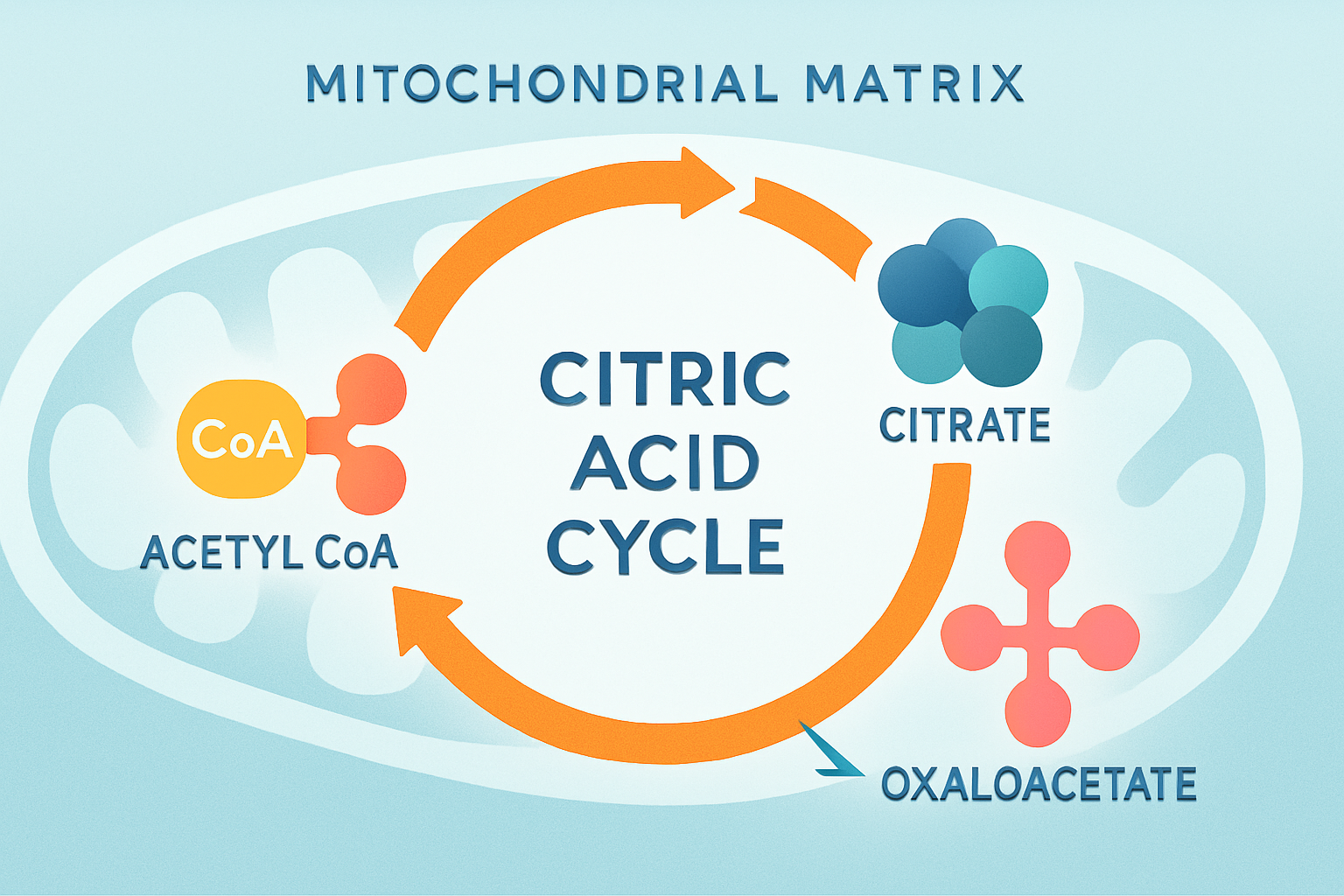
The citric acid cycle, or Krebs cycle, is vital for energy production and metabolic pathways, converting acetyl CoA into energy-rich molecules and intermediates for various biosynthetic processes. It occurs in the mitochondrial matrix and involves a series of enzymatic reactions that regenerate oxaloacetate.

Coenzymes are essential organic molecules that assist enzymes in biochemical reactions, derived mainly from vitamins. They facilitate substrate binding and are crucial for metabolic pathways, highlighting the importance of vitamins and minerals in supporting these processes.

The integration of computer systems in preclinical pharmaceutical development enhances data management and analysis, crucial for meeting regulatory requirements. Key systems like TIMS, CDS, and LIMS play vital roles in ensuring data integrity and efficiency throughout the drug development process.

Bioinformatics combines biology and computer science to analyze biological data, playing a crucial role in vaccine development, particularly during the COVID-19 pandemic. It aids in identifying drug candidates by analyzing viral genetic information and predicting effective treatments.

Understanding number system conversions between decimal, binary, and octal is essential for data representation in computing. The article details methods for converting between these systems, including recursive division for decimal to binary and positional notation for binary to decimal.

Validation in the pharmaceutical industry requires collaboration among Quality Assurance, Quality Control, Production, and Engineering, each with distinct roles. Clear definitions of responsibilities and effective communication are essential to ensure compliance and quality throughout the validation process.

Data integrity in the pharmaceutical sector is crucial for patient safety and regulatory compliance. The article discusses current challenges, consequences of breaches, and strategies for maintaining data integrity, emphasizing the importance of employee training and system validation.