
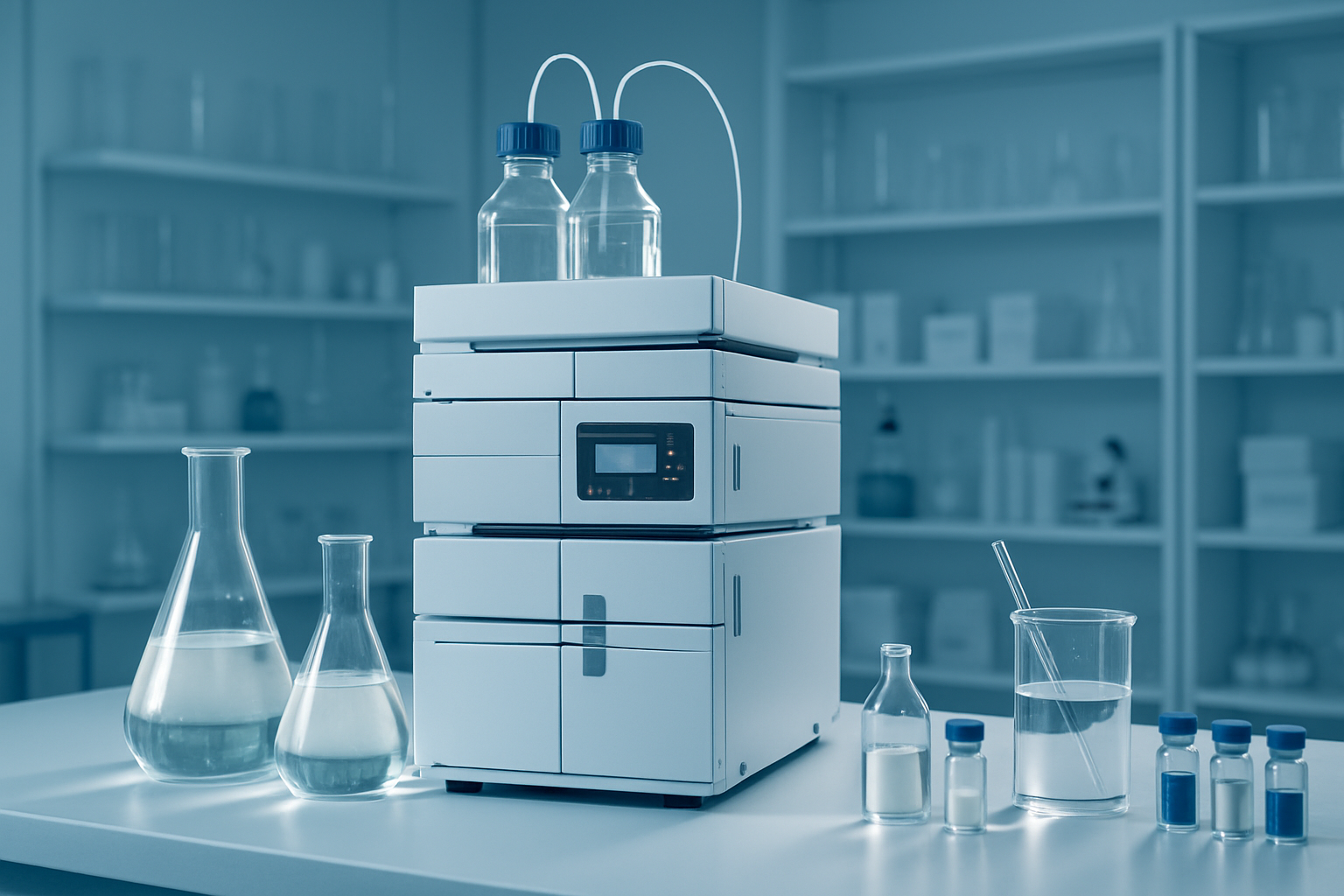
Active pharmaceutical ingredients (APIs) can be compromised by impurities that affect product quality and safety. This article discusses types of impurities, their sources, detection methods, and strategies for mitigation during drug development.
The integrity of active pharmaceutical ingredients (APIs) is paramount in the pharmaceutical industry. Impurities can arise during API development, posing risks to product quality, patient safety, and regulatory compliance. Identifying and managing these impurities is essential in ensuring that pharmaceutical products meet safety standards. This article outlines the various types of impurities, their sources, analytical methods for detection, and strategies to mitigate these issues during drug development.
Classification of Impurities
According to the guidelines set forth by the International Conference on Harmonisation (ICH), impurities can be categorized into three primary types:
- Organic Impurities: These are by-products generated from organic compounds involved in the manufacturing process. They may include degradation products or intermediates that resemble the original API.
- Inorganic Impurities: These consist of residues from inorganic substances used during production, such as catalysts, salts, or heavy metals, which differ structurally from the API.
- Residual Solvents: These are traces of solvents that remain in the final product, having not been fully eliminated during the manufacturing process.
Identifying Sources of Impurities
Understanding the origins of impurities is crucial for effectively addressing the issues they present. Common sources include:
- Raw Materials: Impurities can be introduced from starting materials used in the production of APIs.
- Manufacturing Processes: Side reactions or variations in reaction conditions, such as temperature and pH, can lead to the formation of impurities.
- Incomplete Reactions: If reactions are not fully completed, residual materials can contribute to impurity levels.
- Solvents and Reagents: The use of contaminated solvents or reagents can result in impurities being carried over into the final product.
- Storage Conditions: Improper storage can lead to degradation of APIs, creating new impurities.
- Packaging Materials: Interactions between APIs and packaging can generate additional impurities.
Methods for Detecting Impurities
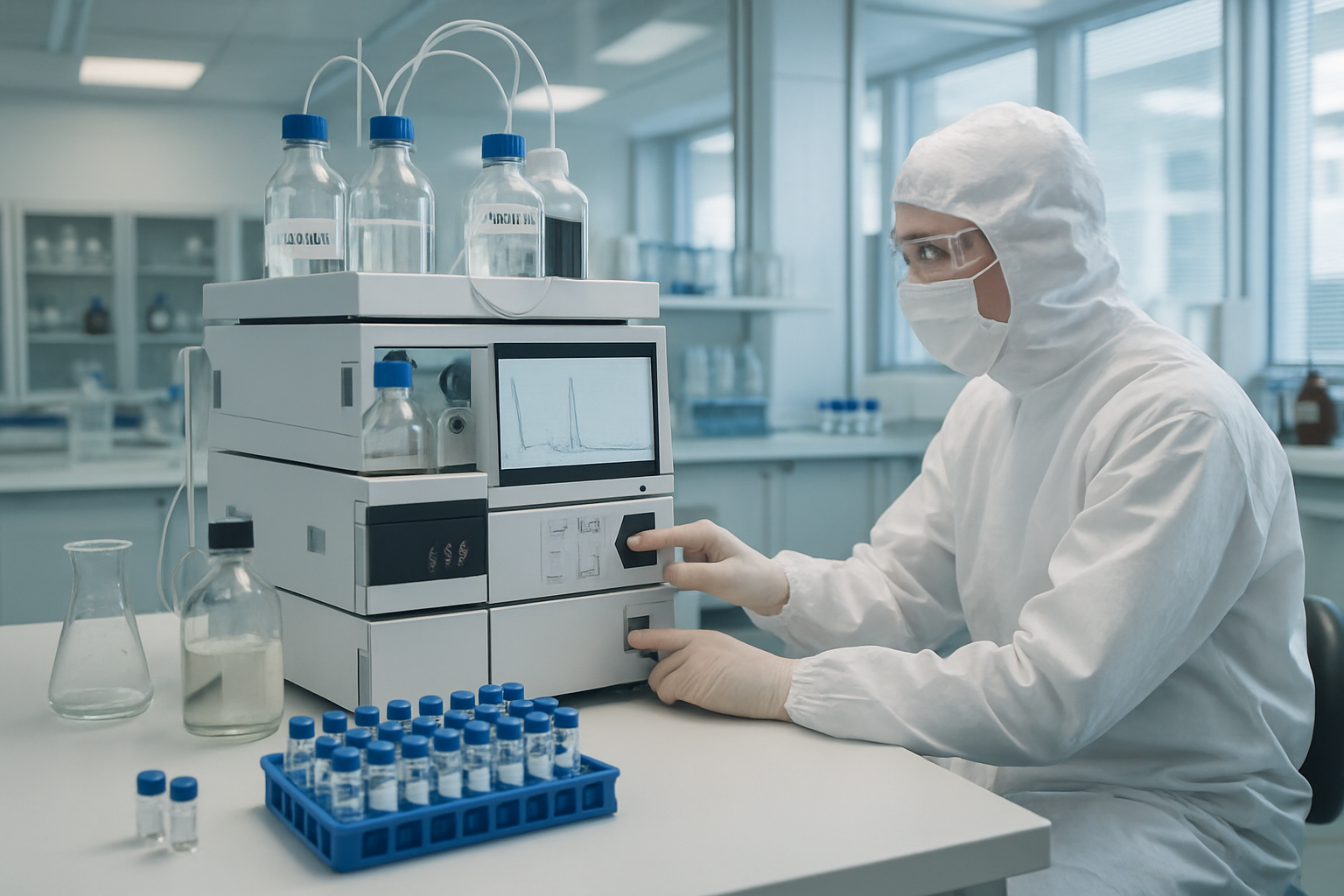
The effective management of impurities relies on precise detection and quantification. A variety of advanced analytical techniques are utilised:
- High-Performance Liquid Chromatography (HPLC): This technique is widely employed to identify and quantify organic impurities in pharmaceutical products.
- Gas Chromatography (GC): GC is effective for analysing residual solvents and volatile impurities.
- Mass Spectrometry (MS): This method helps determine the molecular structures of unknown impurities.
- Nuclear Magnetic Resonance (NMR): NMR assists in identifying compounds based on their molecular structure.
- Fourier Transform Infrared Spectroscopy (FTIR): FTIR identifies materials by examining functional groups and comparing them with standards.
All detection methods should be validated in accordance with ICH guidelines to confirm their reliability and effectiveness.
Approaches to Mitigate API Impurity Concerns
Loading flowchart…
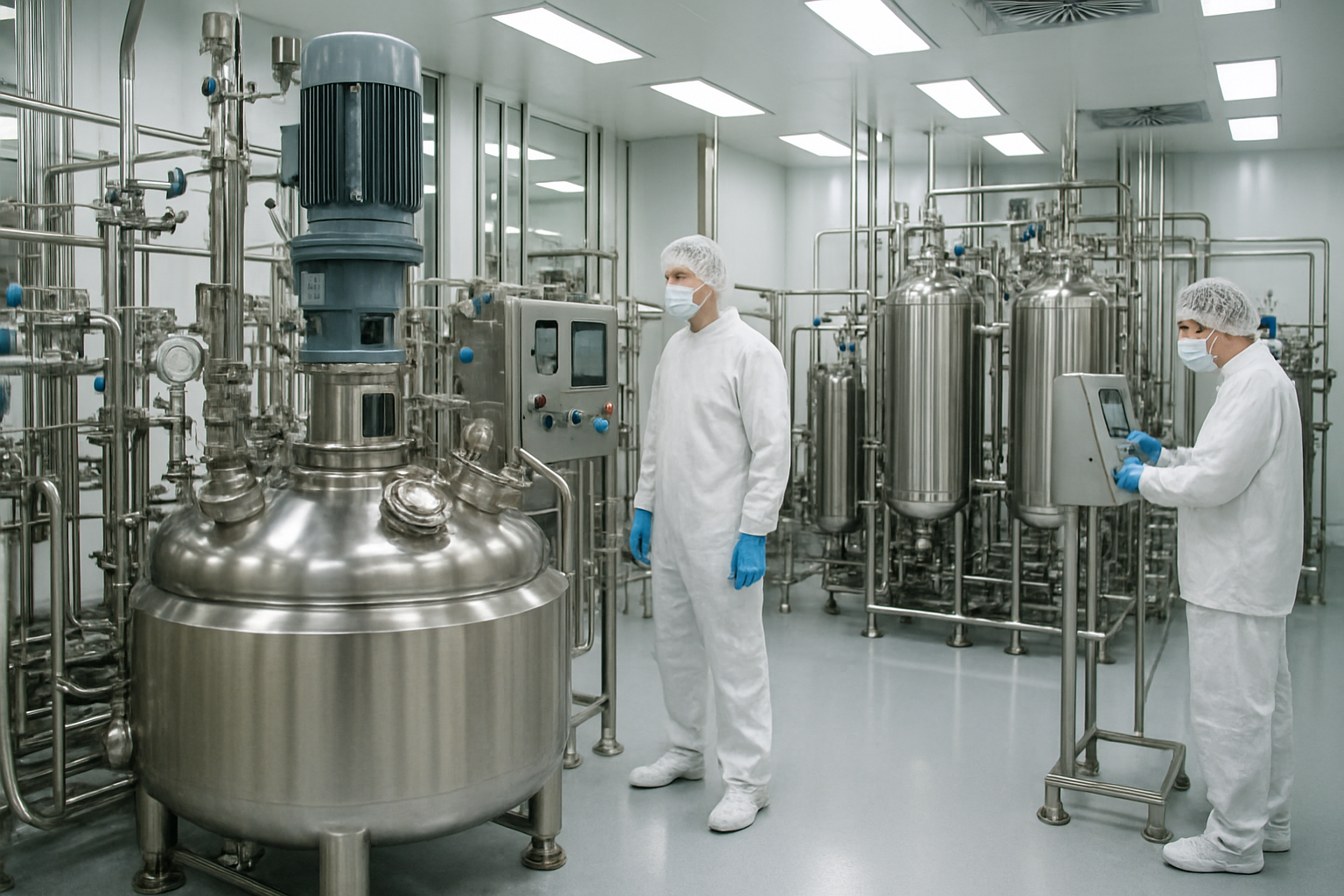
Once impurities are identified and their sources are determined, several strategies can be implemented to minimise their formation:
Optimising Processes
- Enhancing Raw Material Quality: The use of high-grade raw materials can significantly reduce impurity introduction.
- Adjusting Reaction Conditions: Minor modifications to pH, temperature, or solvents can decrease by-product formation.
- Modifying Manufacturing Pathways: Altering the production route may lead to lower impurity levels.
Implementing Purification Techniques
- Filtration: This method effectively removes insoluble impurities from solutions.
- Crystallisation: Selective crystallisation can purify APIs by isolating desired compounds.
- Distillation: This technique is utilised to separate volatile solvents, thus eliminating residual solvents from APIs.
Conducting Stability Assessments
- Accelerated Stability Studies: These tests help predict the formation of degradation products early in the development process.
- Stress Testing: Exposing products to extreme conditions such as heat, light, and humidity can reveal potential instability.
All activities must be meticulously documented in accordance with ICH guidelines.
Regulatory Framework and Compliance Obligations
Regulatory bodies, including the USFDA and EMA, take the presence of impurities very seriously. Specific guidelines exist regarding impurity testing and management, such as:
- ICH Q3A (R2): Addresses impurities in new drug substances.
- ICH Q3B (R2): Pertains to impurities in new drug products.
- USP and EP Monographs: Outline limits and analytical methods for impurities.
Standards and Expectations from Regulatory Agencies
Regulatory agencies stipulate that any impurity exceeding 0.05% must be identified and quantified. If an impurity remains unidentified, a scientifically justified rationale must be provided. Non-compliance with these standards can lead to significant regulatory actions, including product recalls.
Addressing impurities in active pharmaceutical ingredients is a critical aspect of drug development. By employing a combination of analytical techniques and optimisation strategies, companies can effectively manage impurity levels, thus ensuring the safety, efficacy, and quality of pharmaceutical products, ultimately protecting patient health.
Comments (0)
Loading comments…
Checking sign-in status…