
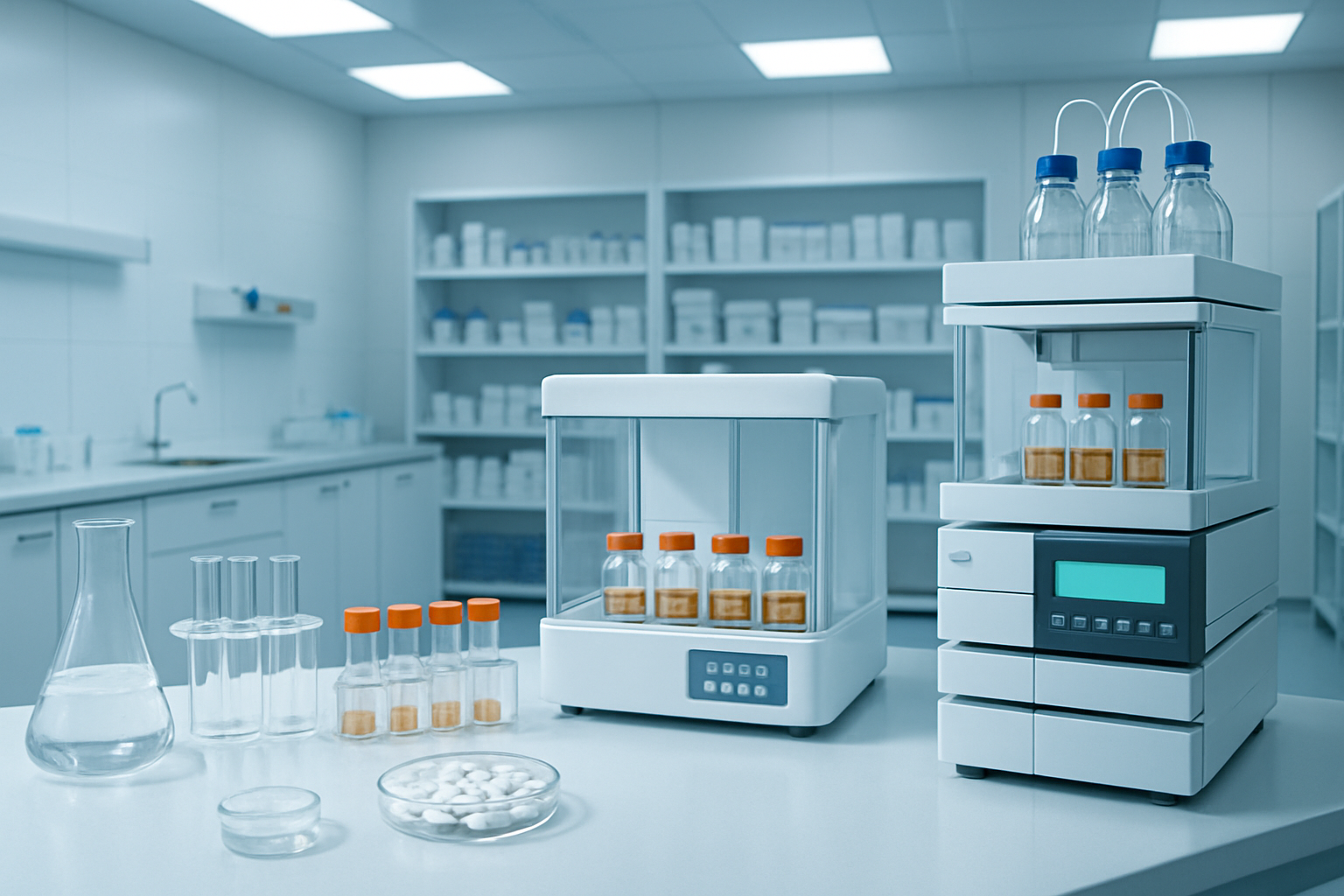
Stability testing is crucial in pharmaceutical development to prevent degradation and harmful byproducts. The article discusses causes of instability, optimization strategies, packaging solutions, and advanced techniques to address these challenges effectively.
The stability of pharmaceutical products is critical for maintaining their effectiveness and ensuring patient safety. Instability can lead to degradation and harmful byproducts, which may have serious consequences. Therefore, conducting stability testing is essential during all phases of pharmaceutical development. This article presents practical approaches to tackle stability challenges encountered in drug formulations.
Identifying Causes of Product Instability

Pinpointing the exact reasons for product degradation can be complex, as numerous factors may contribute to instability. Environmental influences and formulation-specific issues can both play significant roles. Below are some common factors that lead to instability.
Environmental Influences
- Temperature: Elevated temperatures can enhance chemical reactions within the drug formulation, resulting in the breakdown of active ingredients and the formation of impurities.
- Moisture: Excess humidity can lead to hydrolysis, where water reacts with the formulation, producing byproducts that could be harmful.
- Light: Exposure to light, particularly ultraviolet light, can cause photodegradation, resulting in the oxidation of the product and the creation of byproducts.
- Oxygen: The presence of oxygen can initiate reactions with formulation components, particularly those that are sensitive to air, leading to degradation.
Formulation-Specific Issues
- Presence of Impurities: Impurities can accelerate the degradation of active ingredients, leading to an increase in harmful byproducts.
- Interactions with Excipients: The combination of active ingredients and excipients can sometimes result in adverse reactions that compromise the stability of the formulation.
- Packaging Material: The interaction between the product and its packaging can initiate degradation, especially if moisture penetrates the packaging.
To mitigate these risks, formulation studies focusing on pH, solubility, thermal stability, photostability, and compatibility with excipients are crucial during development.
Optimising Formulations and Selecting Excipients
Loading flowchart…
Once the causes of instability are determined, formulation optimisation strategies can be applied. Selecting the appropriate excipients is vital, as they can significantly enhance stability without altering the product's specifications. Some effective strategies include:
- Buffers: Maintaining a stable pH is essential, as extreme pH levels can accelerate reactions. Using citrate, acetate, or phosphate buffers can help achieve this stability.
- Chelators: These agents, such as EDTA, prevent oxidation of active ingredients, thereby enhancing stability.
- Stabilizers: Adding stabilisers like HPMC or PVP can improve the overall stability and solubility of the formulation.
- Moisture Absorbers: Incorporating silica desiccants in packaging can help maintain a moisture-free environment for sensitive formulations.
Formulation optimisation may necessitate alterations to the active ingredient's form, the choice of excipients, or even the formulation type itself.
Enhancing Packaging and Storage Solutions
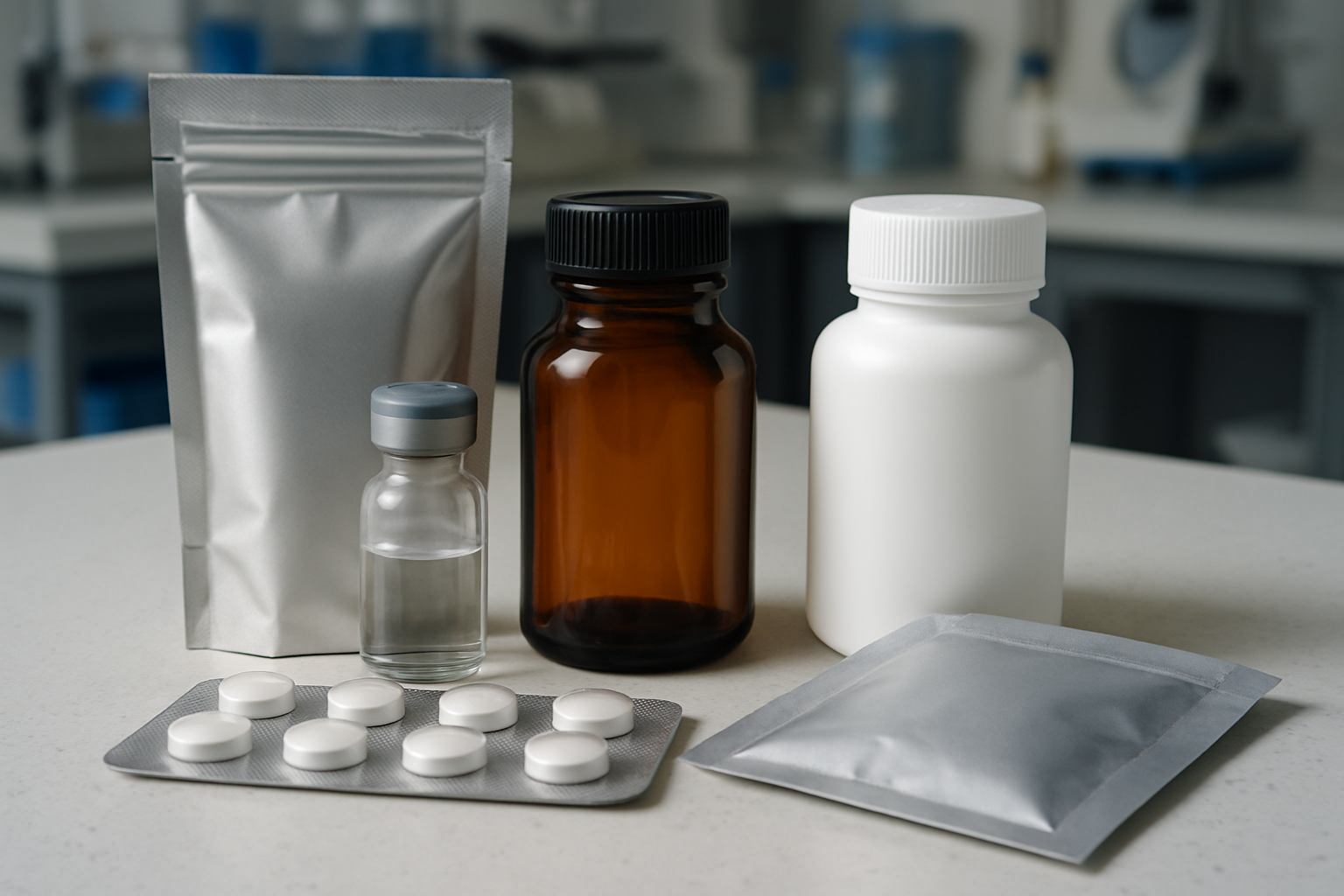
Effective packaging is crucial for shielding pharmaceutical products from adverse environmental conditions, including humidity, light, and air. Various packaging options are available depending on the formulation type:
- Inert Atmosphere Packaging: Sensitive products may be packaged in an inert environment, using nitrogen to displace oxygen and prevent oxidation.
- Light-Blocking Packaging: For light-sensitive formulations, amber glass or UV-filtering plastic containers can be used to protect against degradation.
- Moisture-Resistant Packaging: Alu-alu packaging or desiccant-filled bottles can help keep moisture-sensitive products stable.
- Single-Dose Packaging: Single-dose units reduce environmental exposure, keeping remaining doses protected until use.
Employing Analytical Techniques for Stability Assessment
Utilising robust analytical methods is essential for detecting degradation and verifying the success of stability measures. Key techniques include:
- High-Performance Liquid Chromatography (HPLC): This method is frequently used to identify degradation products within formulations.
- UV Spectrophotometry: Employed to assess the photostability of pharmaceutical products, this technique is common in manufacturing settings.
- Karl Fischer Titration: This method effectively determines moisture content in raw materials and final products.
- Simultaneous Thermal Analysis: Techniques such as thermogravimetric analysis and differential scanning calorimetry assess the thermal and physical stability of the product.
Continuous stability monitoring is necessary to comply with regulatory requirements throughout a product's lifecycle.
Advanced Techniques and Reformulation Options
When conventional strategies do not yield satisfactory results, advanced techniques or reformulation may be required. Some options include:
- Lyophilization: This freeze-drying process removes water from heat-sensitive products, stabilising moisture-sensitive formulations.
- Microencapsulation: This technique creates a protective barrier around the active ingredient, reducing environmental exposure.
- Hot Melt Extrusion and Solid Dispersion: These methods can enhance solubility and stability for poorly soluble active ingredients.
- Cyclodextrin Complexes: These complexes can improve solubility and shield drugs from degradation due to interactions with other formulation components.
If none of these approaches succeed, reformulation may be warranted. This could involve changing the form of the active ingredient, altering excipients, or selecting a more stable derivative. Such changes should be guided by experienced professionals familiar with stability challenges.
Stability issues are a common occurrence during pharmaceutical product development. By adopting a systematic and research-driven approach, stability problems can be effectively addressed, starting from pre-formulation through to careful excipient selection and packaging strategies. Embracing new technologies and adhering to regulatory standards is essential for producing safe, high-quality products.
Comments (0)
Loading comments…
Checking sign-in status…