
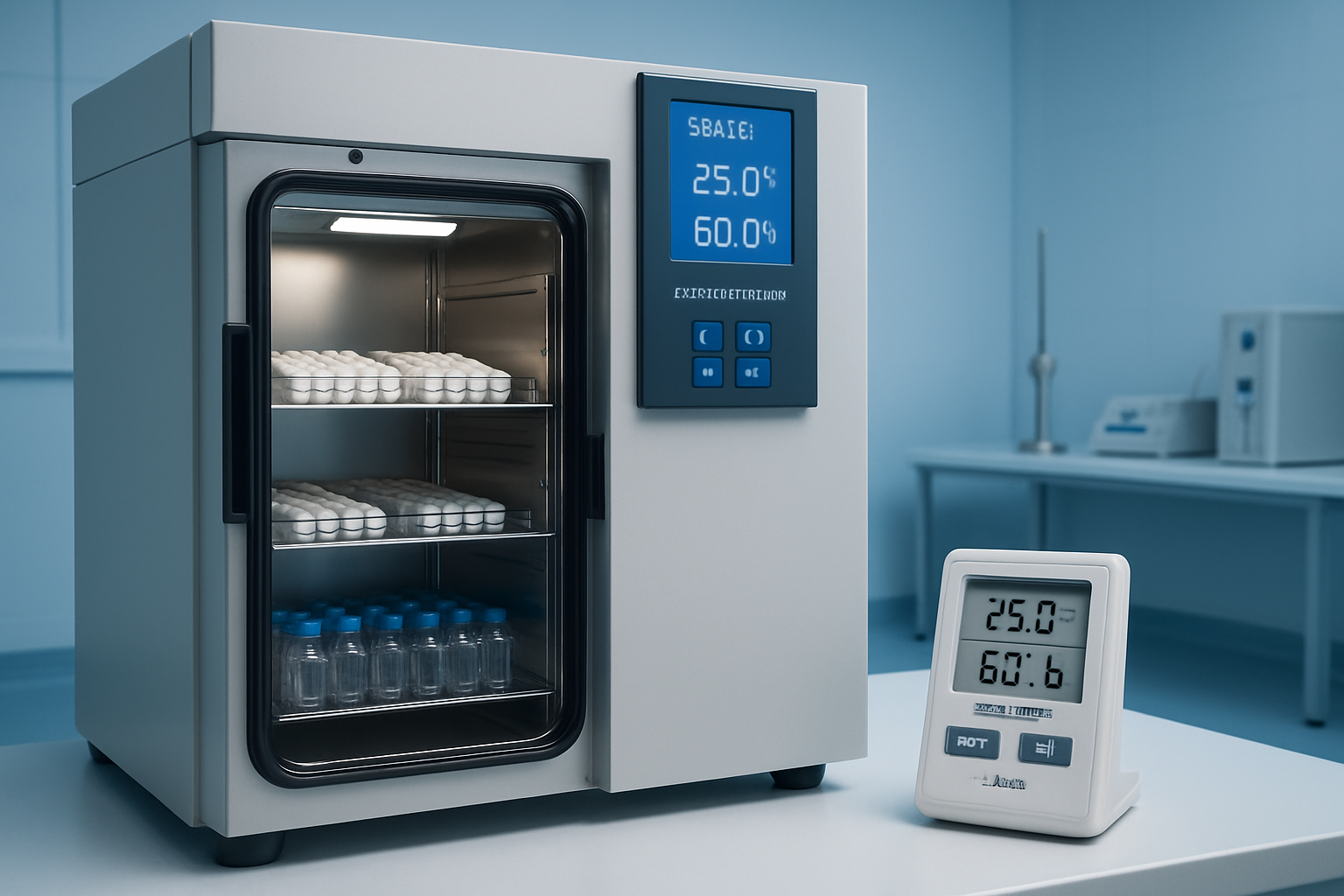
Validation of stability chambers is essential in the pharmaceutical industry, ensuring consistent environmental conditions for accurate stability testing. This process impacts product safety, efficacy, and regulatory compliance.
Validation of stability chambers is a crucial step in the pharmaceutical industry, directly impacting the safety and efficacy of drug products. Stability testing determines how long a product can be expected to remain effective under specified storage conditions. Any variations in environmental conditions during this testing can lead to questionable results, making validation paramount.
Importance of Stability Chamber Functionality
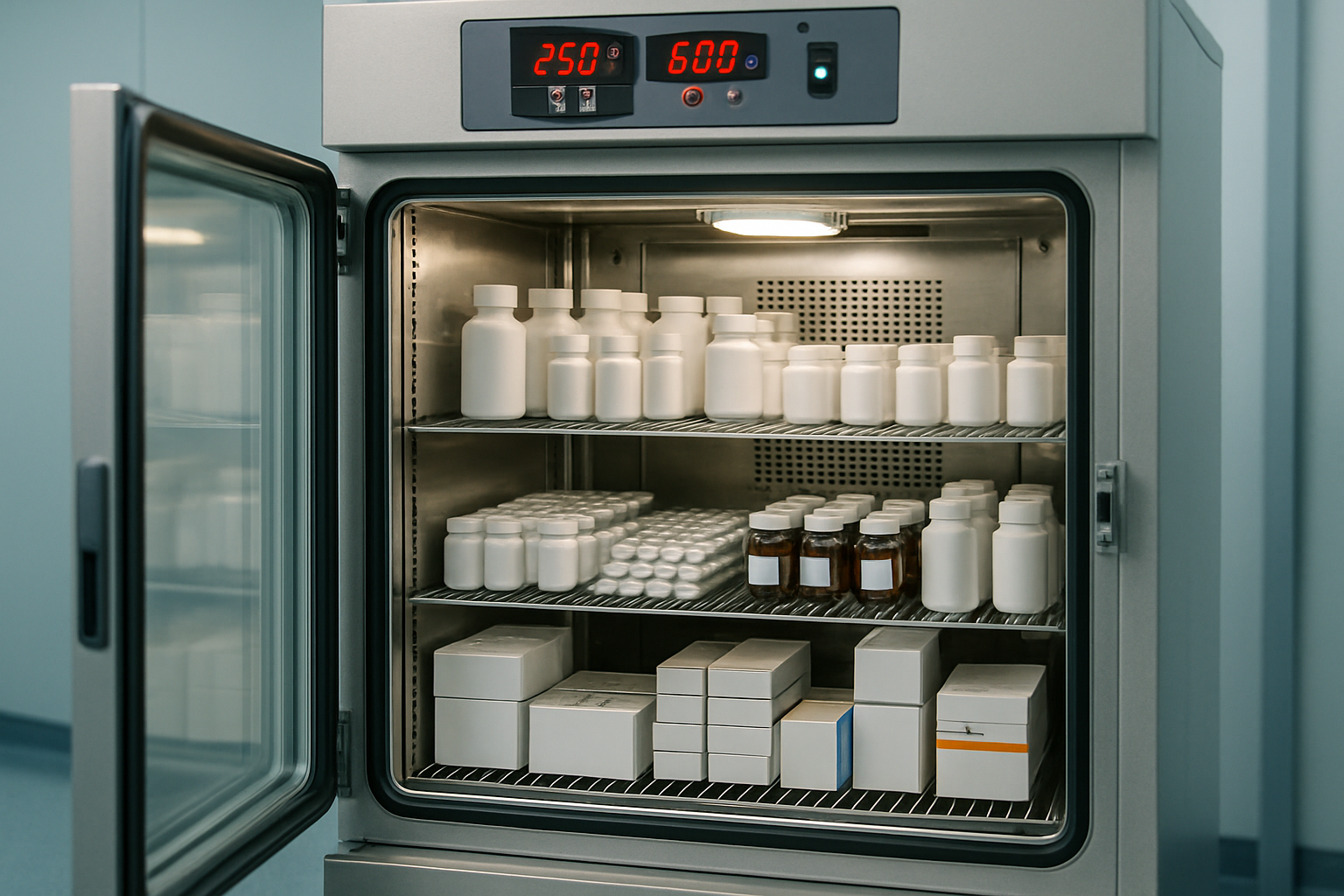
The performance of stability chambers significantly influences the integrity of pharmaceutical formulations. Fluctuations in temperature or humidity can accelerate the degradation of sensitive products, such as tablets and biologics. Consistent environmental conditions are essential for reliable stability study outcomes, which are used to establish expiration dates and storage guidelines. Poor performance in these chambers could lead to:
- Unreliable stability results
- Delays in product registration
- Need for repeated studies
- Regulatory scrutiny
- Potential product recalls
Defining Stability Chamber Validation
Stability chamber validation involves a systematic process to demonstrate that the chamber can consistently maintain specified temperature and humidity conditions. The focus areas during validation include:
- Temperature maintenance
- Humidity control
- Uniform air distribution
- Functional alarm systems
- Recovery after power interruptions or door openings
Categories of Stability Chambers in Use
Pharmaceutical manufacturers utilise various types of stability chambers, tailored for specific product requirements:
Overview: long-Term Stability Chambers
These chambers typically operate at conditions of 25°C / 60% RH or 30°C / 65% RH, and are used for routine shelf-life assessments.
Overview: accelerated Stability Chambers
Functioning at 40°C / 75% RH, these chambers help assess the degradation impact under stress conditions.
Overview: intermediate Stability Chambers
Commonly set at conditions like 30°C / 65% RH, these are employed when significant changes are observed in accelerated studies.
Overview: photostability Chambers
These chambers are designed to evaluate how products react under light exposure.
Audit Considerations for Inspectors
During regulatory audits, inspectors focus on the qualification of stability chambers to verify the reliability of submitted stability data. Key documents typically reviewed include:
- Temperature mapping reports
- Calibration verification documents
- Alarm verification reports
- Excursion investigation records
- Sensor placement studies
- Preventive maintenance logs
Monitoring Essential Characteristics in Validation
Validation involves observing several operational characteristics to ensure chamber reliability:
Temperature Consistency
The ability of the chamber to maintain uniform temperature is crucial. Areas within the chamber must not exceed specified temperature limits.
Humidity Management
Stability can be heavily influenced by humidity levels, particularly for hygroscopic products. Consistent humidity control is vital.
Airflow Distribution
Uniform airflow is necessary to ensure even temperature and humidity throughout the chamber.
Recovery Duration
The chamber must quickly return to set conditions after the door has been opened, as prolonged recovery can compromise product integrity.
Chamber Mapping: A Key Validation Step
Temperature and humidity mapping is essential for validating stability chambers. During mapping studies, calibrated sensors are placed in various locations to assess environmental uniformity. Typical sensor placements include:
- Top of the chamber
- Bottom of the chamber
- Front and back of the chamber
- Centre of the chamber
- Near the doors
This process identifies environmental variations and ensures conditions are suitable for sample storage.
Limitations of Empty Chamber Mapping
Validating only an empty chamber can be misleading, as the presence of samples affects airflow, humidity, and cooling efficiency. A loaded mapping study offers a clearer picture of operational performance.
Systematic Approach to Chamber Validation
Loading flowchart…
Validation follows a structured process:
Step 1: Validation Protocol Development
This document outlines the scope, sensor locations, acceptance criteria, monitoring duration, and assigned responsibilities.
Step 2: Monitoring Device Calibration
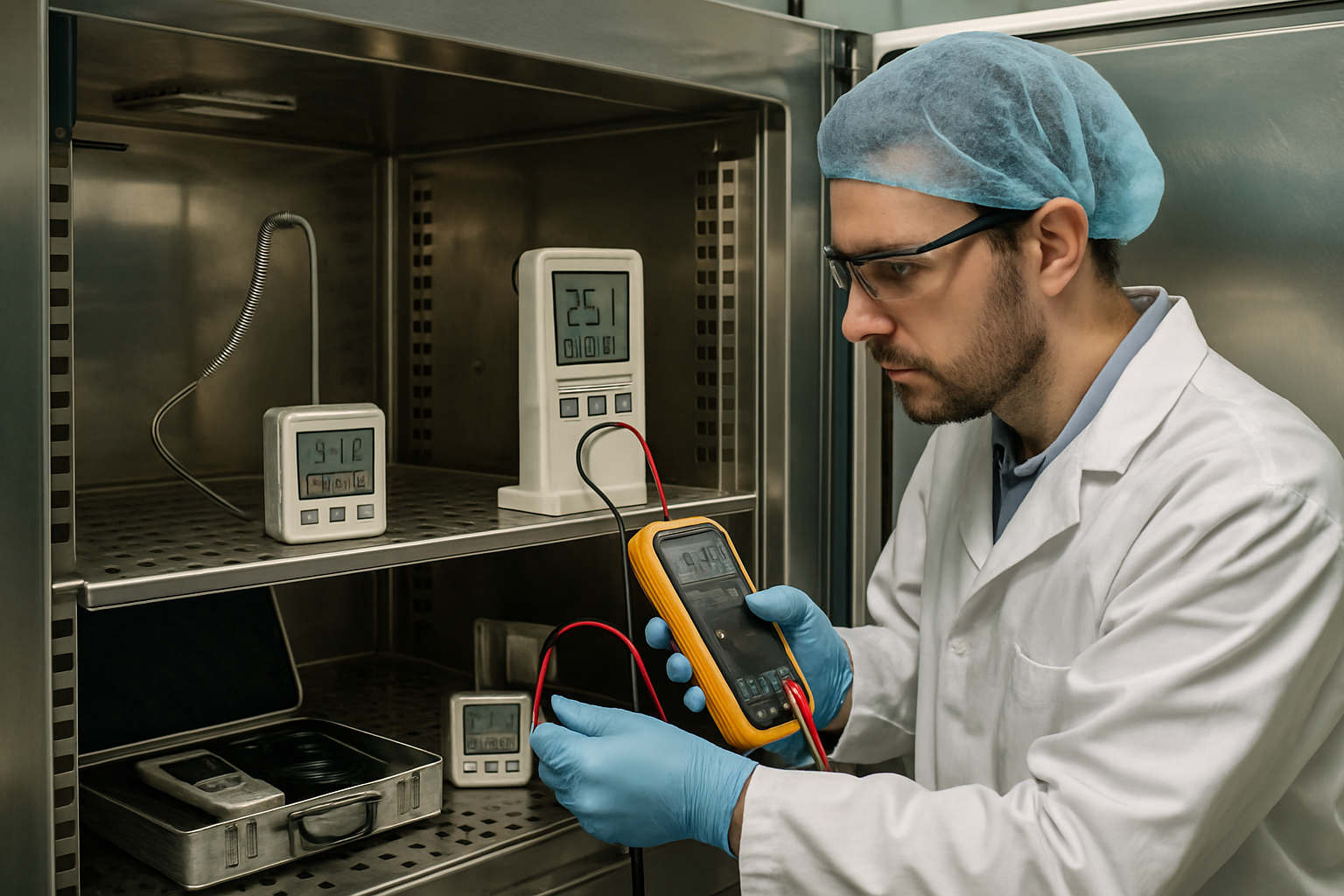
Calibration of all sensors and data loggers is essential to ensure measurement accuracy and traceability.
Overview: step 3: Sensor Monitoring and Placement
Sensors are positioned at designated locations and monitored for a defined period, which could range from 24 hours to several days.
Step 4: Alarm Functionality Testing
Testing involves triggering alarm conditions, such as high or low temperature alarms, to confirm system responsiveness.
Step 5: Challenge Testing with Door Openings
This simulates routine access, testing how quickly the chamber returns to optimal conditions after being opened.
Step 6: Comprehensive Data Review
Collected data is analysed to detect environmental deviations, sensor discrepancies, recovery performance, and any out-of-limit conditions.
Challenges Identified During Validation
Validation often reveals operational issues not detected during regular use:
- Inconsistent temperature distributions due to airflow issues.
- Humidity instability from poor sealing or faulty sensors.
- Overloading which obstructs airflow.
- Delayed recovery following door openings due to inadequate cooling capacity.
Understanding Stability Chamber Excursions
Excursions occur when environmental conditions exceed established limits. Causes may include power failures, sensor malfunctions, or door openings. Documenting and investigating excursions is critical, as handling them improperly can lead to the rejection of stability data during inspections.
Overview: automation and Data Integrity in Validation
Modern pharmaceutical facilities are increasingly adopting automated systems for continuous monitoring of stability chambers. These systems facilitate:
- Real-time surveillance
- Generation of electronic audit trails
- Instant notifications of issues
- Analysis of stability data trends
- Secure electronic record storage
Adherence to data integrity guidelines is essential for regulatory submissions.
Re-qualification Requirements
Validation is an ongoing process; chambers require re-qualification to maintain reliability. Re-qualification is necessary under conditions such as:
- Major maintenance work
- Sensor replacements
- Chamber relocations
- HVAC system modifications
- Multiple stability excursions
Optimising Chamber Performance: Best Practices
Effective stability programmes incorporate several best practices, including:
- Avoiding chamber overloading
- Utilising calibrated sensors exclusively
- Continuous monitoring of each chamber
- Regular environmental trend reviews
- Immediate investigations of excursions
- Maintaining a preventive maintenance schedule
Quality Assurance's Essential Role in Validation
Quality Assurance (QA) plays a vital part in managing stability chambers, encompassing:
- Approval of validation protocols
- Review of mapping reports
- Evaluation of excursions
- Review of calibration records
- Ensuring compliance with GMP
Having validated stability chambers is crucial for pharmaceutical manufacturers, impacting shelf life, regulatory approval, and product safety. A well-implemented validation process fosters compliance with regulations and mitigates costly compliance issues.
Regulatory Guidelines
Refer to the following documents for additional context on stability testing and chamber validation:
- ICH Q1A(R2): Stability Testing of New Drug Substances and Products
- WHO Technical Report Series No. 1010, Annex 10
- EudraLex Volume 4, EU GMP Guidelines, Annex 15
Comments (0)
Loading comments…
Checking sign-in status…