

Natural resources are essential for human existence, economic growth, and environmental sustainability. Their effective management is crucial for balancing development and conservation.
Natural resources are foundational to human existence and play a significant role in economic growth, environmental sustainability, and social well-being. Their effective management is crucial for ensuring a balance between development and conservation.
Forests: Essential Natural Assets

Forests are invaluable resources that contribute to our daily lives by providing timber, fuel, fodder, and a variety of raw materials. They support a diverse range of wildlife and contribute to environmental health through processes like oxygen generation and water conservation. While the tangible products of forests are readily visible, their ecological functions, such as air purification and carbon sequestration, are equally important.
Economic Contributions
Forests are significant suppliers of renewable energy and various products. They provide essential materials for construction and manufacturing, including wood for furniture, paper, and other goods. Additionally, forests yield a variety of non-timber products such as honey, medicinal plants, and waxes. Sustainable harvesting practices are vital to maintain the long-term viability of these resources.
Ecological Functions
Forests play a critical role in regulating climate and supporting biodiversity. They influence hydrological and carbon cycles, stabilizing global climates and acting as carbon sinks. The preservation of forest ecosystems is essential to mitigate climate change and protect biodiversity, as they host a majority of the world’s species.
Cultural and Social Roles
Beyond their economic and ecological significance, forests hold cultural importance for many communities. They provide recreational opportunities and have spiritual value, reinforcing the deep connection between humans and nature.
Water Resources: A Vital Necessity
Water resources encompass various forms of water, including surface water from oceans, rivers, and lakes, as well as groundwater and glacial ice. The demand for freshwater has surged due to population growth and industrialisation, leading to concerns about future availability.
Mineral Resources: Foundations of Industry
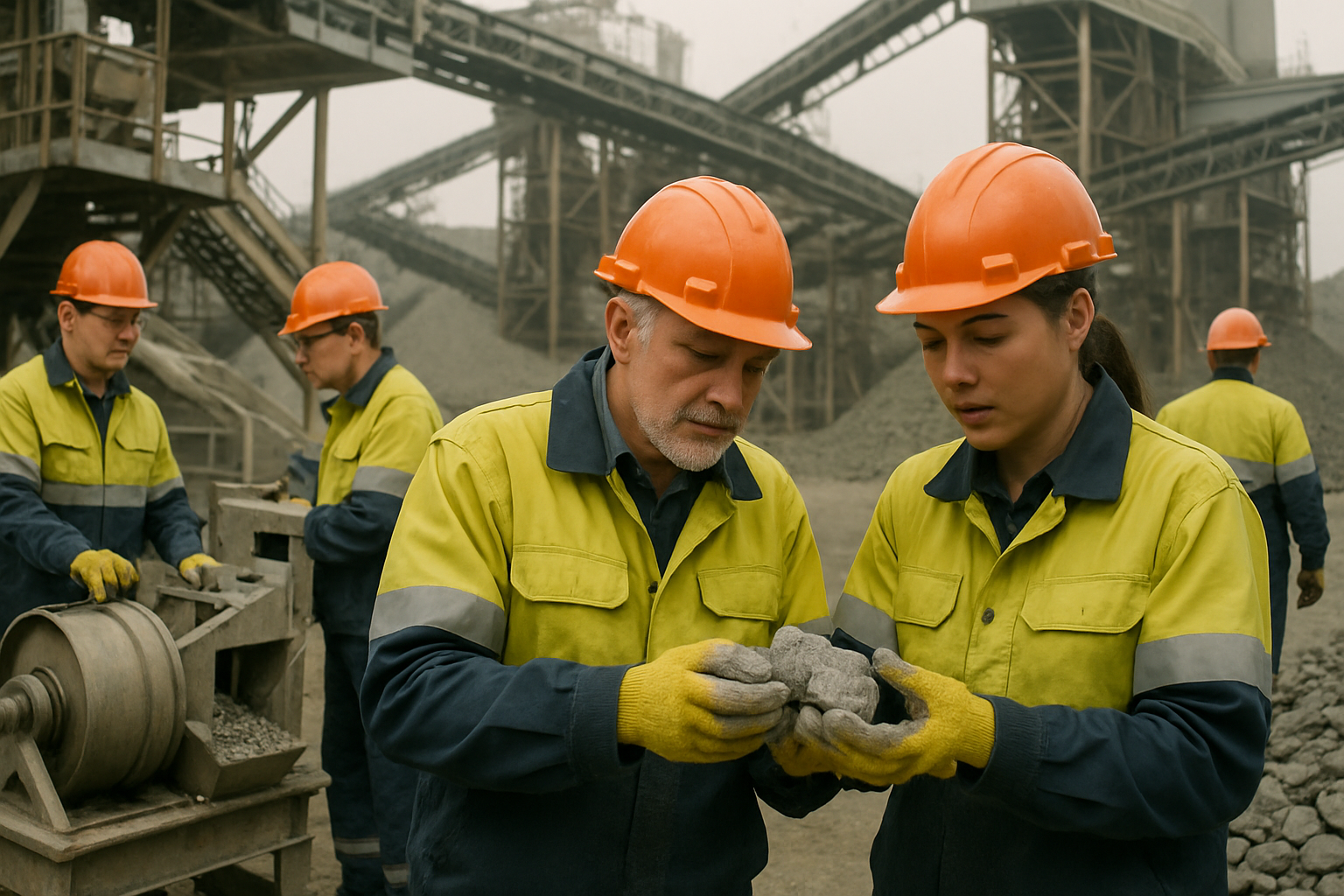
The availability of minerals is crucial for a nation’s economic development. Minerals are essential for producing energy, raw materials for industries, and agricultural inputs. They include a vast array of inorganic compounds, with over 2,000 identified minerals.
Categories of Minerals
Mineral resources can be broadly classified into two categories:
- Metallic minerals: These include essential metals like gold and silver.
- Non-metallic minerals: These include materials such as coal and bauxite.
Food Resources: Sustaining Life
Food resources encompass all consumable products that provide nutrition for humans and animals. These include various agricultural products, from raw commodities to processed foods. Food is fundamental for energy, growth, and overall health, making its availability critical for human survival.
Energy Resources: Powering Development
Energy resources include a variety of sources, such as fossil fuels, hydroelectric power, and renewable energies like solar and wind. Understanding the distribution and potential of these resources is crucial for sustainable energy planning.
Land Resources: The Foundation for Growth
Land resources include all types of land capable of sustaining life, whether for agriculture, habitation, or resource extraction. They encompass various natural conditions that have economic value, such as soil quality, climate, and available water resources.
In summary, a comprehensive understanding of these natural resources is essential for sustainable development. Effective management and conservation strategies are necessary to ensure that future generations can continue to benefit from these vital assets.
Comments (0)
Loading comments…
Checking sign-in status…