

FOXO4-DRI is a peptide that disrupts the interaction between FOXO4 and p53, potentially promoting apoptosis in senescent cells. This approach may enhance understanding of aging, cancer, and regenerative medicine by selectively removing senescent cells and influencing tissue repair processes.
Understanding the mechanisms of cellular senescence is crucial in the fields of aging and regenerative medicine. FOXO4-DRI is a peptide modulator that targets the interaction between the transcription factor FOXO4 and the tumor suppressor p53, offering insights into cellular longevity and the potential elimination of senescent cells.
Mechanism of Action of FOXO4-DRI

FOXO4-DRI is an artificially designed peptide that disrupts the binding between FOXO4 and p53. This interaction is significant because FOXO4 is believed to help maintain the senescent state of cells. When cells enter senescence, they cease to divide but remain metabolically active, often altering their surrounding microenvironment. By inhibiting the FOXO4-p53 interaction, FOXO4-DRI may promote the translocation of p53 from the nucleus, leading to apoptosis in senescent cells.
Design and Stability of FOXO4-DRI
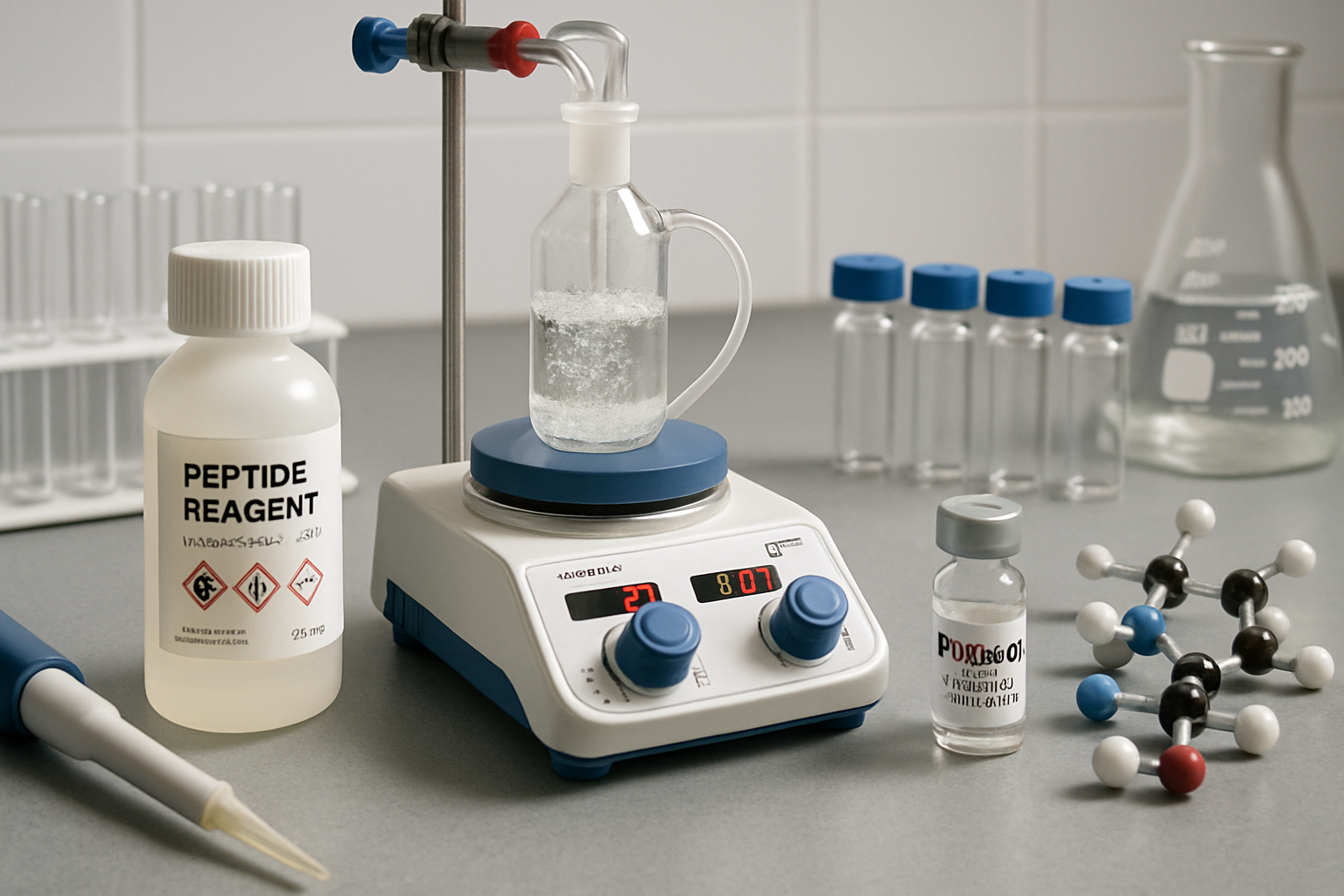
The peptide employs a retro-inverso design, where the sequence is reversed but the orientation of the side chains is preserved. This design enhances the peptide's resistance to proteolysis and increases its affinity for the target protein. The ability of FOXO4-DRI to effectively compete with FOXO4 for p53 binding is a critical factor in its potential efficacy as a senolytic agent.
Implications for Aging and Cancer Research
Cellular senescence serves a dual role in biology. While it acts as a tumour suppressor by preventing the proliferation of damaged cells, the accumulation of senescent cells can create a microenvironment that fosters tumour development. The use of FOXO4-DRI could provide a means to selectively remove these senescent cells, potentially mitigating their negative effects on tissue health and tumorigenesis.
Applications in Regenerative Medicine
In regenerative biology, the accumulation of senescent cells in damaged or aging tissues can hinder repair processes. By manipulating the levels of these cells through FOXO4-DRI, researchers can gain insights into how tissue repair mechanisms are influenced by the cellular microenvironment. This approach could enhance our understanding of stem cell niches and the dynamics of cell communication during regeneration.
Broader Research Applications
FOXO4-DRI's ability to modulate the FOXO4-p53 relationship has implications beyond cell senescence. It may influence various metabolic pathways related to oxidative stress and insulin signalling. Future studies could explore how FOXO4-DRI affects these pathways and its broader role in cellular metabolism and longevity.
Potential for Future Developments
As a biopolymer derived from two proteins, FOXO4-DRI presents opportunities for further modification to enhance its functional properties. Its design allows for prolonged interaction with target proteins, making it a valuable tool for studying cellular processes over extended periods. The integration of FOXO4-DRI into computational models could also advance our understanding of cellular aging and tissue sustainability.
Conclusion
FOXO4-DRI represents a promising advancement in the modulation of cellular senescence and longevity research. Its targeted approach to disrupting the FOXO4-p53 interaction may pave the way for novel therapies in gerontology, oncology, and regenerative science.
Comments (0)
Loading comments…
Checking sign-in status…