
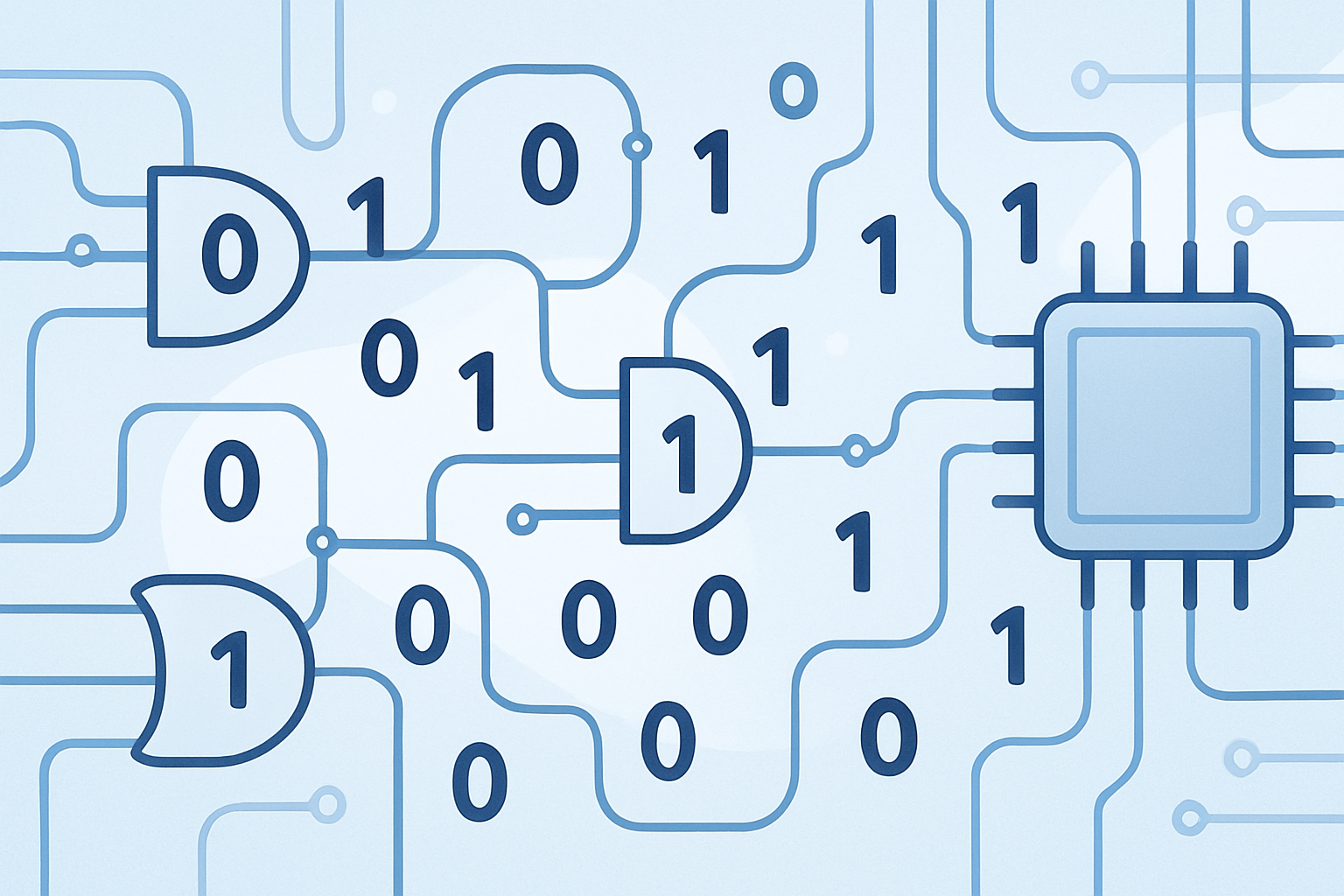
Binary operations, including addition, subtraction, multiplication, and division, are fundamental for data processing in computing. Understanding these operations is crucial for anyone in computer science and electronics.
Binary operations are essential in computing, as they form the basis of how data is processed and manipulated within digital systems. Understanding the principles of binary addition, subtraction, multiplication, and division is fundamental for anyone working in fields related to computer science and electronics.
Understanding Binary Addition

Binary addition operates under the same principles as decimal addition, but it is confined to two digits: 0 and 1. Each binary digit can represent a voltage signal in electronic circuits, where 1 is an ON state and 0 is an OFF state. The addition process follows straightforward rules:
- 0 + 0 = 0
- 0 + 1 = 1
- 1 + 0 = 1
- 1 + 1 = 10 (which carries over 1 to the next higher bit)
The following table illustrates how to add two binary numbers:
| x | y | x + y |
|---|---|---|
| 0 | 0 | 0 |
| 0 | 1 | 1 |
| 1 | 0 | 1 |
| 1 | 1 | 10 |
Binary Subtraction Techniques
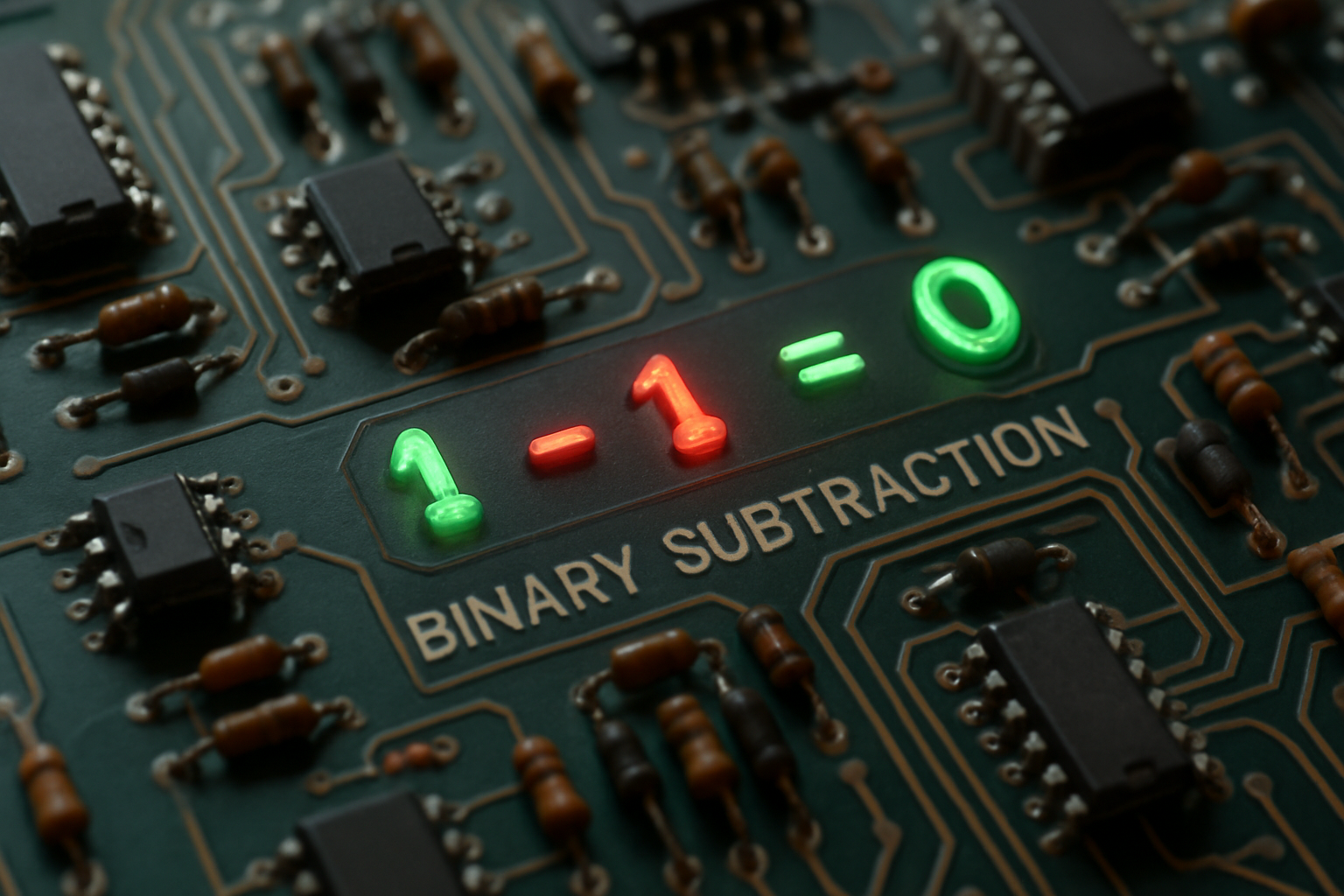
Binary subtraction is akin to decimal subtraction but requires a different approach when borrowing is necessary. The process involves understanding the binary digits and their interactions:
Subtraction Without Borrowing
In cases where no borrowing is needed, the subtraction proceeds directly. For instance, subtracting 0 from 1 results in 1, while subtracting 1 from 0 is not possible without borrowing.
Subtraction With Borrowing
When borrowing is necessary, the process starts from the least significant bit (LSB) and moves to the left. If you encounter a situation where you need to subtract a larger digit from a smaller one, you must borrow from the next higher bit. This is a critical concept in binary subtraction.
Methods for Binary Complements
Complements are crucial for representing negative numbers in binary systems, particularly in digital electronics. The two primary methods are:
First Complement Method
To find the one's complement of a binary number, simply invert each bit: replacing 0s with 1s and vice versa. This method is commonly used for representing negative binary numbers.
Second Complement Method
The two's complement is obtained by taking the one’s complement and then adding 1 to the least significant bit. This method effectively allows for simple arithmetic operations on signed numbers.
Binary Multiplication Explained
Binary multiplication follows similar steps to decimal multiplication, but it only involves two digits. The rules are straightforward:
- 0 multiplied by anything is 0.
- 1 multiplied by 1 is 1.
- 1 multiplied by 0 is 0.
To multiply binary numbers, you can align the numbers as you would in decimal multiplication and use the same principles of carrying over, where necessary.
Executing Binary Division
Binary division uses similar principles as decimal division but is limited to the digits 0 and 1. The process generally involves the following:
- Align the dividend and divisor.
- Perform subtraction and record the result.
- Bring down the next digit of the dividend as needed.
It's crucial to remember that division by zero is undefined in binary just as it is in decimal systems. Long division is often the most efficient method to perform binary division.
Each of these binary operations plays a vital role in the functioning of modern computers, enabling efficient data processing and manipulation.
Comments (0)
Loading comments…
Checking sign-in status…