
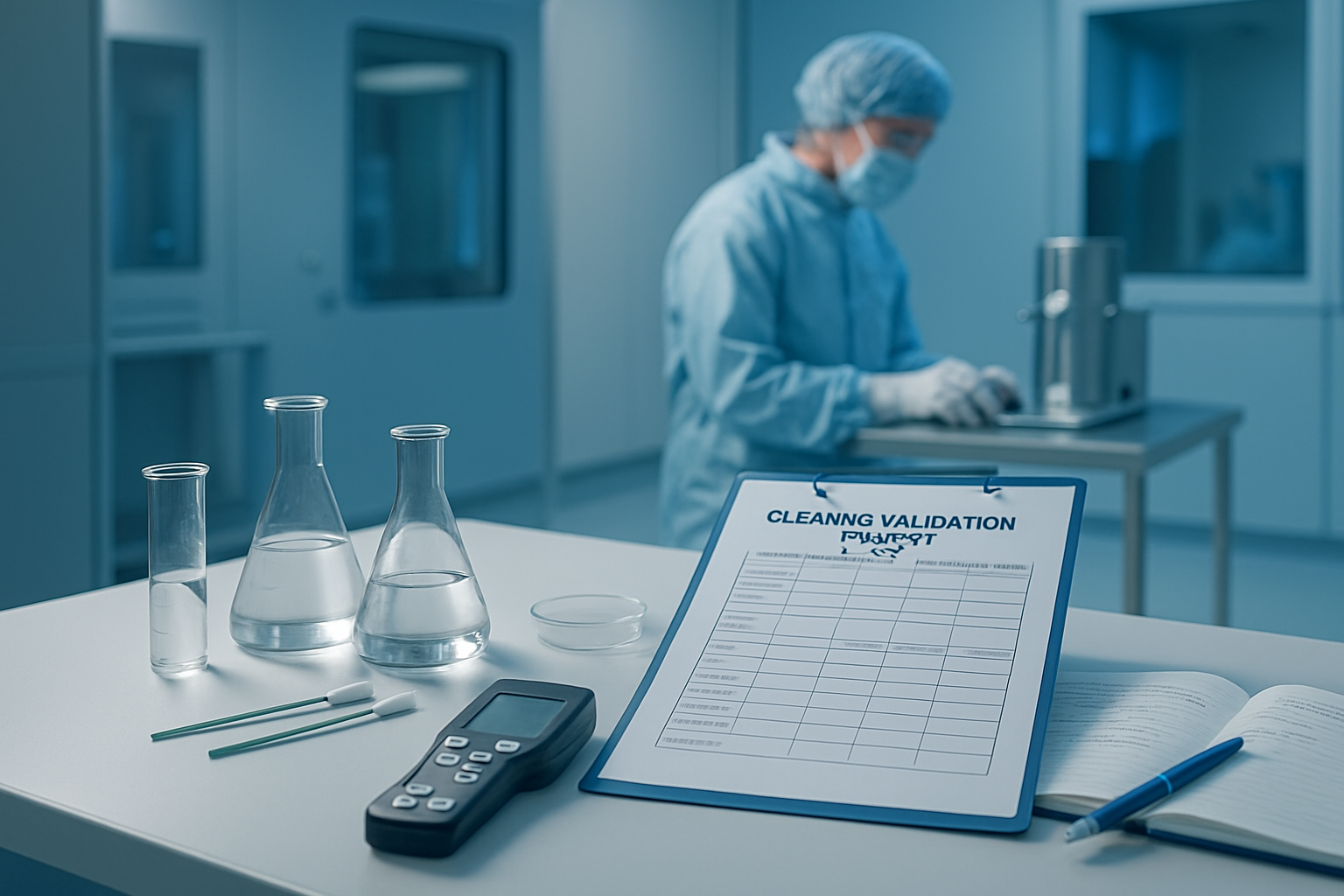
Cleaning validation reports are essential for confirming effective cleaning of pharmaceutical equipment, but common pitfalls can compromise their credibility. Key issues include vague validation objectives, unjustified acceptance limits, inadequate sampling justifications, and insufficient recovery data.
Cleaning validation reports serve a critical role in ensuring that pharmaceutical equipment is effectively cleaned to prevent contamination. A well-structured report not only confirms that cleaning has been performed but also provides a transparent and scientifically sound assessment of the cleaning process's effectiveness. However, common errors can undermine the credibility of these reports, often stemming from the analysis phase rather than the cleaning itself.
Defining the Validation Objective Clearly
The validation objective must be explicitly stated in the report. This includes identifying the specific equipment or equipment train assessed, the cleaning process validated, the residues considered, and the acceptance criteria established. Vague phrases, such as "the cleaning procedure was found to be satisfactory," do not provide sufficient context. Regulatory guidance emphasises that the purpose of validation should be clearly defined, supported by scientific data demonstrating the cleaning system's effectiveness.
Justifying Acceptance Limits Appropriately
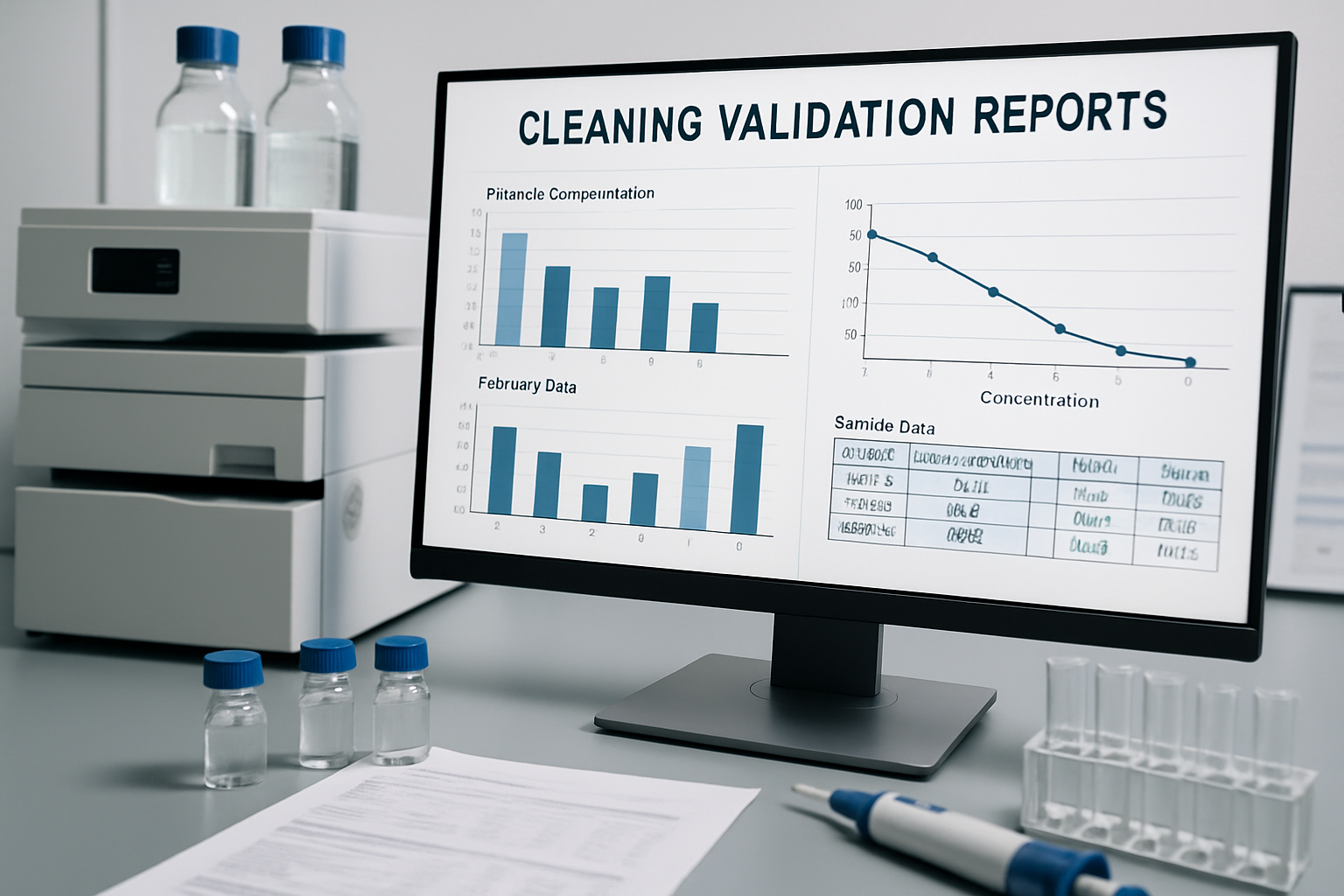
Another frequent issue is the lack of scientific rationale for reported acceptance limits. These limits should not be arbitrary values; instead, they must be backed by a thorough explanation of how they were derived. The report should detail the analytical methods employed to ensure that they are suitable for detecting residues at the specified limits. Various types of residues, including active pharmaceutical ingredients and cleaning agents, should be considered. Regulatory bodies advise that limits must be meaningful, achievable, and scientifically supported.
Providing Justification for Sampling Locations
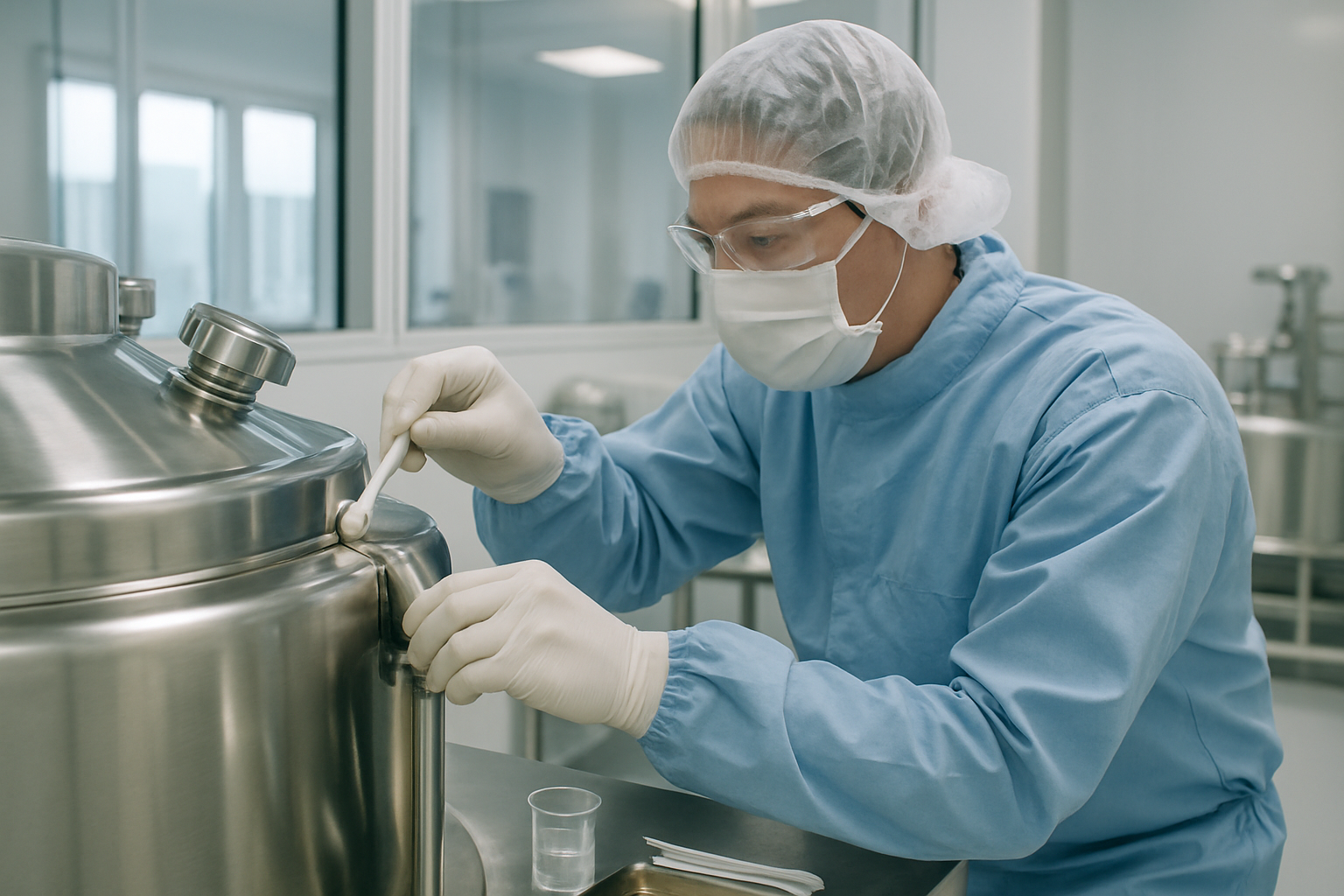
Reports often present numerous sampling results without adequately justifying the selection of sampling locations. This is particularly concerning for hard-to-clean areas. The rationale should connect equipment design, cleaning procedures, and sampling points. Relevant locations may include corners, joints, gaskets, and product contact surfaces. Direct surface sampling is recognised as a valuable method for assessing difficult-to-clean sites; hence, the report should reflect a scientifically sound selection process.
Addressing Swab Recovery Data Thoroughly
Missing or poorly explained swab recovery data can lead to misinterpretations. A negative result from a swab does not automatically indicate the absence of residues. The report should detail the recovery method, the type and amount of samples taken, concentration levels, and results. This is especially crucial when results are near the acceptance limit. Recovery tests should be conducted on relevant equipment using appropriate extraction methods.
Demonstrating Suitability of Rinse Sampling
While rinse sampling can be beneficial for large or difficult-to-access equipment, the report must demonstrate why this method is suitable. The rinse solvent should effectively collect the residues of interest, and the sampling method must ensure comprehensive coverage of the equipment. Regulatory guidance stipulates that rinse samples should not replace direct surface sampling where feasible, reinforcing the need for scientifically sound sampling techniques.
Assessing the Impact of Deviations
When deviations occur during validation, simply noting their existence is insufficient. The report must provide a thorough assessment of the deviation's impact on the cleaning validation process. This includes detailing the nature of the deviation, its implications for the validation activities, and the results of any subsequent investigations. For example, if an invalid cleaning hold duration was applied, the report should address whether the parameter was validated or represents a worst-case scenario.
Avoiding “Test Until Clean” Practices
One significant error is the practice of conducting multiple tests until a satisfactory result is achieved, while downplaying earlier unsatisfactory results. Regulatory guidelines explicitly prohibit this approach, as it can indicate that the cleaning process itself is not validated. Any additional tests must be scientifically justified and documented appropriately.
Reconciling Raw Data with Final Results
A complete validation report must reconcile reported results with raw data and sample information. Quality assurance personnel should be able to trace results back to the original laboratory data, sampling locations, and acceptance criteria. In electronic systems, data integrity must also encompass relevant electronic records and audit trails.
Ensuring Conclusions Reflect Evidence
Reports can sometimes present conclusions that overstate the evidence. For instance, stating that equipment is "totally uncontaminated" based on results that merely fall below an acceptable threshold misrepresents the findings. Conclusions should align with the validation study's actual results, accurately reflecting the cleaning process's effectiveness.
Linking CAPA to Findings
When validation studies identify issues such as procedural gaps or sampling problems, the report must clearly outline corrective and preventive actions (CAPA). Any necessary CAPA should be linked to the relevant quality system records, ensuring that the cleaning validation program aligns with the actual equipment and process conditions.
Conducting a Thorough QA Review Prior to Approval
Loading flowchart…
Before a cleaning validation report is approved, a quality assurance representative should verify several critical factors: the protocol approval prior to execution, explanations for any deviations, scientific justification for acceptance limits, appropriateness of sampling sites, adequacy of recovery materials, sensitivity of analytical techniques, traceability of results, and proper handling of unexpected outcomes. A robust cleaning validation report goes beyond just successful test results; it must present a coherent and scientifically sound account of the cleaning process's efficacy.
Common errors in cleaning validation reports often stem from inadequate justifications for acceptance criteria, insufficient sampling explanations, lack of recovery data, and poor traceability of results. A thorough QA audit should focus not only on successful outcomes but also on the scientific validity of the cleaning validation process.
Comments (0)
Loading comments…
Checking sign-in status…