

CAPA documentation is essential for quality assurance in the pharmaceutical sector, but many organizations struggle with common errors that can impact compliance and patient safety. This article identifies prevalent documentation mistakes and offers strategies to avoid them.
Corrective and Preventive Action (CAPA) is a critical component of quality assurance in the pharmaceutical sector, mandated by regulatory bodies such as the US FDA, EMA, and WHO. Properly documented CAPAs are vital for effectively resolving issues and preventing their recurrence through thorough root cause analysis. However, many organisations face challenges in CAPA documentation, leading to mistakes that can have significant implications for compliance, product quality, and patient safety. This article outlines prevalent errors in CAPA documentation and offers insights on how to avoid them.
Insufficient Problem Description
Loading flowchart…
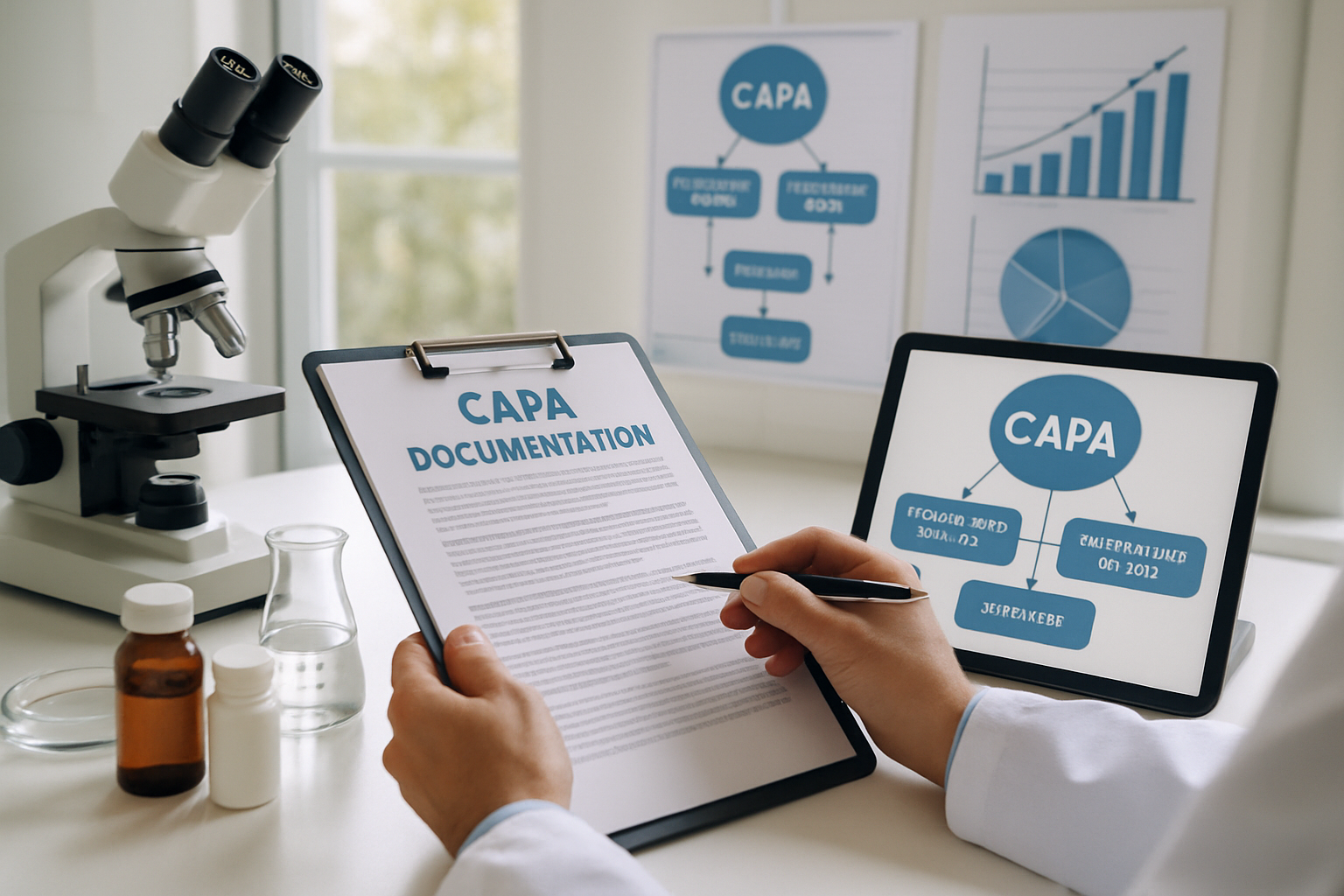
A frequent error in CAPA documentation is the failure to provide a clear and detailed description of the problem. Vague statements like "Equipment malfunction" do not enable effective investigation or analysis. A more effective approach includes specific details such as the equipment involved, the location, the timing, and the nature of the issue. For instance, stating that "Tablet Compression Machine CM-1001 in Block B experienced a turret speed drop mid-batch on 12th May 2025, resulting in a complete batch stoppage" provides the necessary context for thorough analysis.
Inadequate Root Cause Assessment
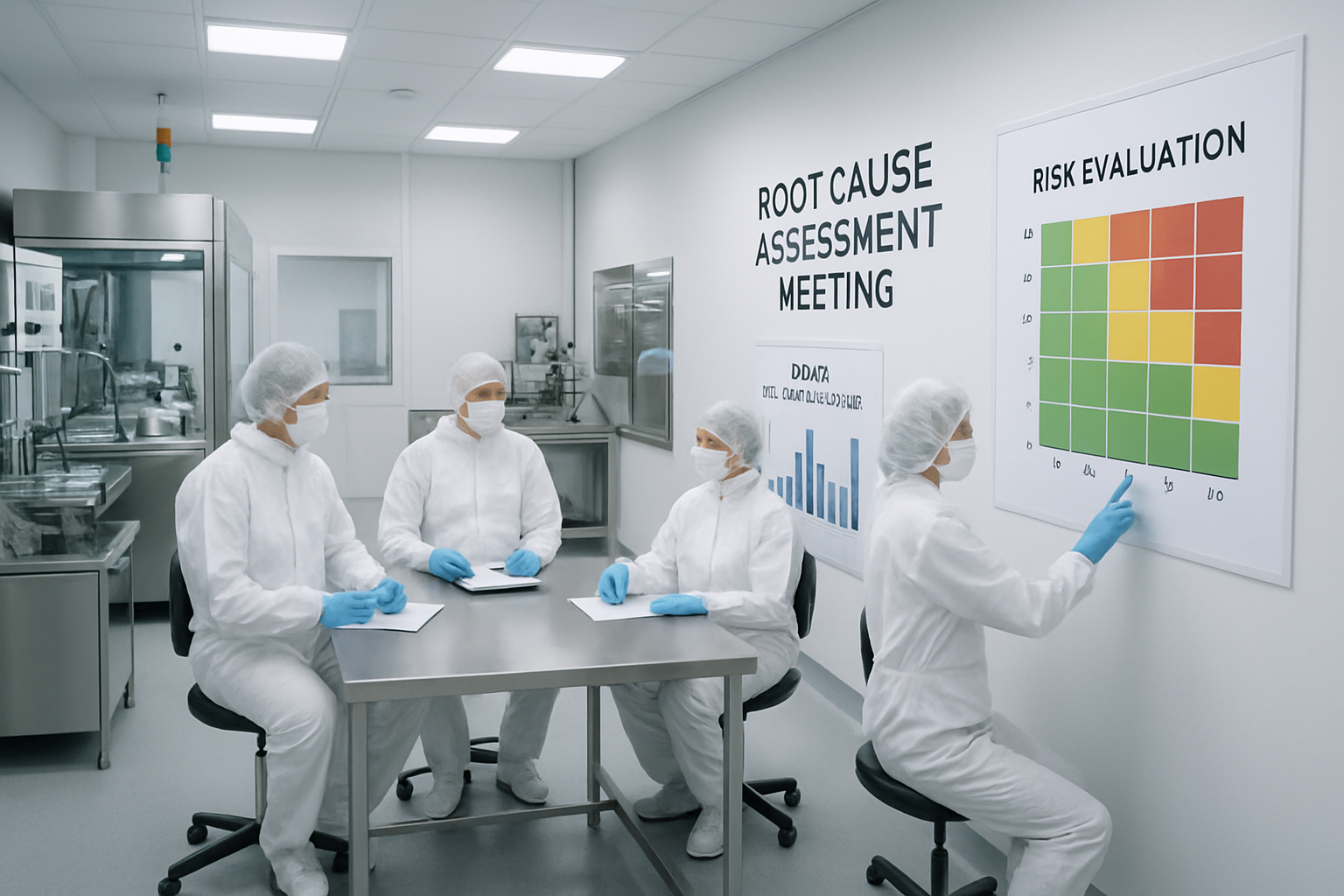
Many CAPAs fall short due to a failure to conduct a thorough root cause assessment. Skipping logical steps or relying on hasty assumptions can lead to superficial conclusions. A common mistake is attributing issues to human error without investigating underlying process flaws. It is essential to employ structured problem-solving tools, such as Fishbone Diagrams or the 5 Whys method, to uncover the real root causes. For example, if human error is identified, one should explore whether it stemmed from inadequate training or unclear standard operating procedures (SOPs).
Lack of Risk Evaluation
Risk assessments are crucial in guiding CAPA actions. Without a proper risk prioritisation system, organisations may misallocate resources, addressing low-impact issues while neglecting those that pose a higher risk. To mitigate this, incorporate formal risk assessment tools such as Risk Matrices or Failure Mode and Effects Analysis (FMEA) into the CAPA process to evaluate severity, occurrence, and detection.
Ineffective or Inappropriate Actions
When selecting actions to address identified issues, organisations often choose ineffective measures that do not tackle the underlying problems. Examples include retraining personnel when the actual issue lies in process inefficiencies. Actions must be feasible, directly linked to the root cause, and measurable for effectiveness. For instance, instead of retraining, addressing the process design itself may yield better long-term results.
Subpar Implementation and Follow-Up
A well-conceived CAPA can still fail if not implemented properly. Delays, incomplete execution, or lack of documentation can render the CAPA ineffective. Assigning clear responsibilities and deadlines is vital, alongside regular monitoring of progress and recording completion evidence, such as training records and updated SOPs.
Absence of Effectiveness Verification
Completing CAPA activities without adequately documenting checks for effectiveness constitutes a significant oversight. It is crucial to define effectiveness criteria at the CAPA initiation stage, conduct follow-up audits, and meticulously document the outcomes to ensure that the actions taken genuinely resolve the identified issues.
Disorganized or Incomplete Records
Incomplete documentation, such as missing signatures or unattached evidence, can lead to regulatory non-compliance. To prevent this, ensure that every CAPA form is fully completed, with all relevant fields filled out and supporting documents attached and labelled. Implementing electronic CAPA systems with validation features can further reduce documentation errors.
Neglecting Integration with Related Quality Systems
CAPA should not function in isolation; instead, it must be integrated with other quality systems, including change control, deviations, and audits. Failing to update related SOPs or change control records following CAPA actions results in missed opportunities for comprehensive improvements. Ensure CAPAs are cross-referenced with other quality systems and maintain traceability among all quality documents.
Lack of Trend Analysis and Learning
A robust CAPA system should contribute to continuous improvement. Unfortunately, many organisations close CAPAs without examining trends or deriving lessons learned, missing out on systemic improvement opportunities. Regularly discuss CAPA trends to identify recurring issues and adjust training, SOPs, and preventive controls accordingly. Additionally, share lessons learned with different departments to foster a culture of continuous improvement.
Prolonged CAPA Closure
Delays in closing CAPAs can indicate deficiencies within the quality management system and may attract regulatory scrutiny. To mitigate closure delays, set realistic deadlines, employ reminders, and conduct periodic CAPA review meetings. Timely closure ensures actions remain relevant and up-to-date with current operational practices.
CAPA documentation serves as a fundamental pillar of regulatory compliance and a mechanism for continuous quality improvement. By addressing these common documentation errors, organisations can fortify their quality culture, enhance compliance, and ultimately safeguard patient safety. Establishing a robust CAPA system that prioritises thorough documentation, effective training, and regular reviews is essential for maintaining pharmaceutical quality.
Comments (0)
Loading comments…
Checking sign-in status…