

The stability of injectable pharmaceuticals is crucial for patient safety and product efficacy. This article discusses the factors affecting stability, testing methods, and the importance of regulatory compliance in ensuring the quality of injectable medications.
The stability of injectable pharmaceuticals is a critical aspect of quality assurance in the healthcare sector. Ensuring that these products remain safe and effective throughout their shelf life is essential, as any degradation can lead to serious health risks. This article outlines the importance of stability in injectable medications, the various testing methods employed, and the factors that can impact their stability.
Defining Injectable Drug Stability
Stability refers to the ability of a drug product to maintain its physical, chemical, microbiological, and therapeutic properties over time. For injectables, which bypass the body's natural filtration systems, even minor impurities can have significant consequences. Stability encompasses several critical areas:
- Chemical Stability: Active pharmaceutical ingredients (APIs) must not degrade significantly during the product's intended shelf life.
- Physical Stability: The product should not exhibit any notable physical changes, such as discoloration or separation.
- Microbiological Stability: Injectables must remain sterile and free from contaminants throughout their usage.
- Therapeutic Stability: The product should consistently deliver its intended therapeutic effect.
- Toxicological Stability: There should be no toxic effects arising from degradation products during the product's lifespan.
Importance of Stability in Injectable Products
Injectable medications are administered directly into the body, making their stability paramount for several reasons:
- Patient Safety: Degradation can result in toxic byproducts that pose risks to patients.
- Effectiveness: Stability ensures that drugs maintain their potency and therapeutic value, directly impacting efficacy.
- Regulatory Compliance: Regulatory bodies, including the FDA and EMA, mandate stability studies as part of the approval process for injectable medications.
- Supply Chain Reliability: Stable products can be transported and stored securely within specified environmental conditions.
Methods of Stability Assessment for Injectable Products

Loading flowchart…
Stability assessments are integral during both product development and commercial production. The following testing methods are commonly employed:
Testing Approaches
- Accelerated Stability Testing: This method subjects the product to elevated temperatures and humidity to predict shelf life over a shorter timeframe.
- Long-Term Stability Testing: Conducted under recommended storage conditions to gauge the actual shelf life of the product.
- Stress Testing: Involves exposing the product to extreme conditions such as heat, light, and varying pH levels to identify potential degradation.
- Freeze-Thaw Testing: Evaluates product stability through repeated cycles of freezing and thawing.
Recommended Storage Parameters
Stability testing requires adherence to specific storage conditions:
- Accelerated: 40°C ± 2°C / 75% RH ± 5%
- Long-term: 25°C ± 2°C / 60% RH ± 5%
Elements Impacting Stability of Injectable Formulations
Several factors can influence the stability of injectable drugs, often categorized into internal and external elements:
Influences from Formulation
- pH Levels: Minor pH shifts can lead to hydrolysis of the active ingredient.
- Buffer Selection: The choice of buffer is crucial, as inadequate buffers can result in salt precipitation, jeopardizing sterility.
- Excipients: Interactions between excipients and APIs can lead to the formation of degradation products over time.
- Solvent Choices: The solvents employed, such as Water for Injection (WFI), saline, or alcohol, can also affect stability.
Packaging Considerations
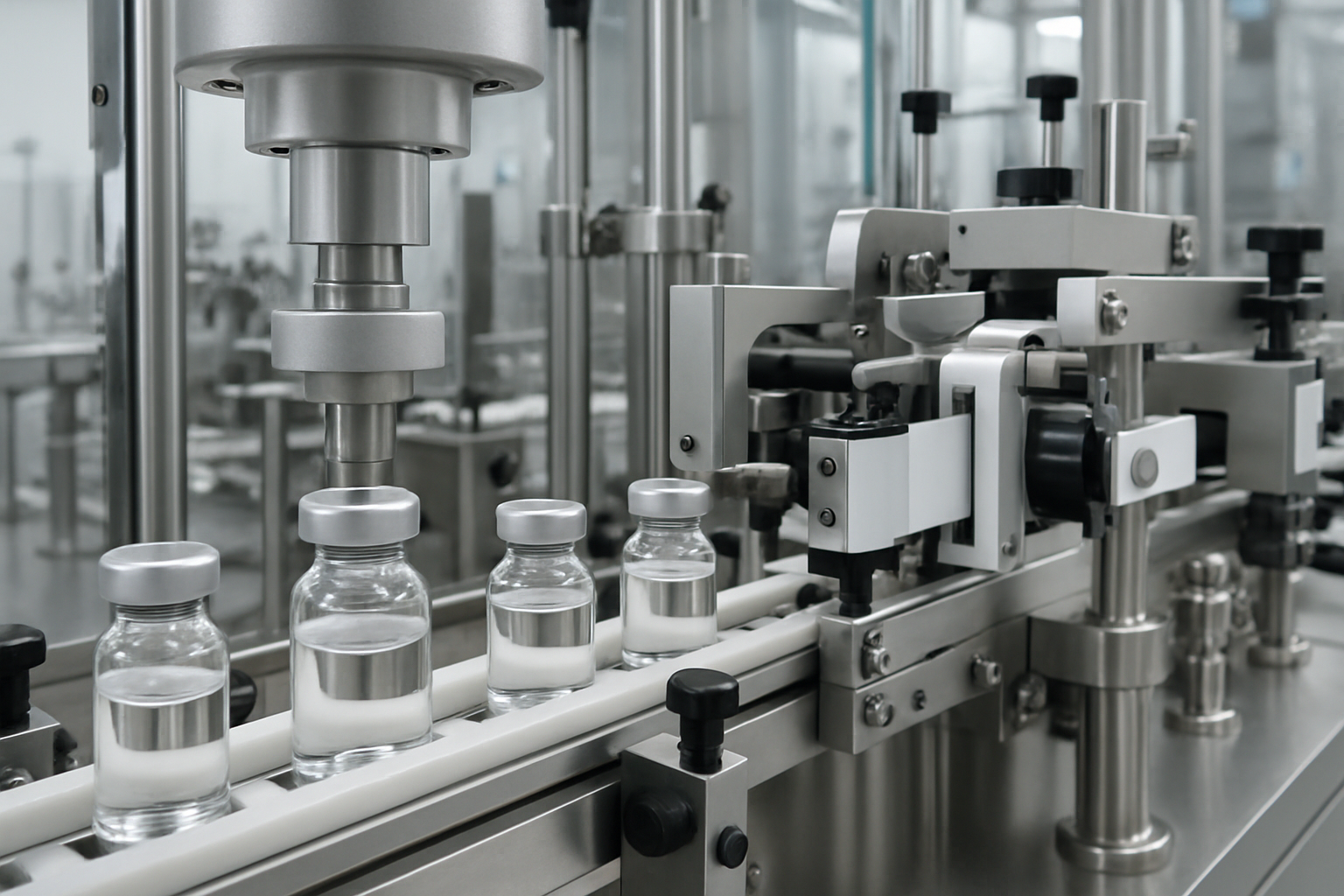
- Material Type: Glass vials are generally more stable than plastic, which may leach chemicals.
- Stopper Compatibility: Testing for interactions between the product and rubber stoppers is essential to avoid adverse reactions.
- Light Sensitivity: Some products are sensitive to light, necessitating appropriate packaging to prevent degradation.
Environmental Factors
- Temperature Variations: Increased heat can accelerate degradation processes.
- Humidity Levels: Moisture can adversely affect the stability of freeze-dried products.
- Oxygen Exposure: Oxygen can induce degradation, leading to the formation of impurities.
Stability Assurance Strategies in Manufacturing
Manufacturers employ several strategies to maintain the stability of injectable products:
Formulation Techniques
Careful selection of excipients, preservatives, stabilizers, and pH adjustments are critical during the development phase to create stable formulations.
Lyophilization Techniques
The freeze-drying process, or lyophilization, effectively enhances the stability of sensitive drugs by removing moisture, a common catalyst for degradation.
Optimisation of Packaging
Utilising inert materials, such as borosilicate glass and gas-filled seals, minimizes exposure to oxygen and moisture, preserving product integrity.
Manufacturing Control Measures
Adhering to Good Manufacturing Practices (GMP) during production ensures consistency and reduces contamination risks.
Quality Assurance Testing
Routine testing for sterility, particulates, and potency in each batch is essential to confirm ongoing stability and product safety.
Regulatory Framework Governing Injectable Stability
Regulatory authorities require comprehensive stability testing for injectable products. In the United States, the FDA mandates stability data as part of Investigational New Drug (IND) and New Drug Application (NDA) submissions. The International Council for Harmonisation (ICH) provides guidelines that standardize stability testing protocols. Similarly, the World Health Organization (WHO) stipulates stability data requirements for public health and vaccine distribution. Each batch of injectables must comply with established specifications related to chromatographic purity, assay, sterility, endotoxin testing, particulate matter, and visual inspection.
Practical Example of Stability Issues in Injectables
A notable incident occurred in 2018 when a major pharmaceutical company recalled multiple batches of injectable antibiotics due to visible particulate matter. Investigations revealed that glass delamination was caused by incompatibility between the drug formulation and the glass vials used for packaging. This case highlights the critical importance of stability assessments, not only for regulatory compliance but also as an indicator of the product's safety, quality, and efficacy.
In summary, the stability of injectable products is a multifaceted concern that demands thorough investigation and strict adherence to quality control measures. Pharmaceutical professionals must remain vigilant, as even minor oversights can lead to significant health implications for patients.
Comments (0)
Loading comments…
Checking sign-in status…