

Material selection in pharmaceutical facility construction is vital for operational efficiency and regulatory compliance. Factors include site characteristics, product types, cost-effectiveness, and the physical properties of materials like stainless steel and borosilicate glass.
In the realm of pharmaceutical construction, the choice of materials is crucial for ensuring operational efficiency and compliance with regulatory standards. Various factors come into play when selecting the appropriate materials for equipment and facility construction.
Site Characteristics

The layout and design of a pharmaceutical plant are significantly influenced by the characteristics of the site, including its topography, size, and overall shape. Optimising the use of available space is essential, as it can directly impact workflow efficiency and equipment placement.
Product Type Considerations
The design and layout of the facility must align closely with the specific product types being manufactured. For instance, facilities producing solid dosage forms like tablets or injectable solutions will require different configurations compared to those processing raw materials into intermediate products. Despite these differences, certain areas, such as quality control and raw materials management, will share commonalities.
Cost-Effectiveness
The selection of materials not only affects the initial capital investment but also has long-term implications for operational costs. While numerous materials may be suitable from both a physical and chemical standpoint, the most economical choice is often prioritised. Low-maintenance materials can provide substantial savings over time. Common materials include various metals, both ferrous and non-ferrous, along with a range of organic and inorganic nonmetals.
Physical Properties
Visual Monitoring
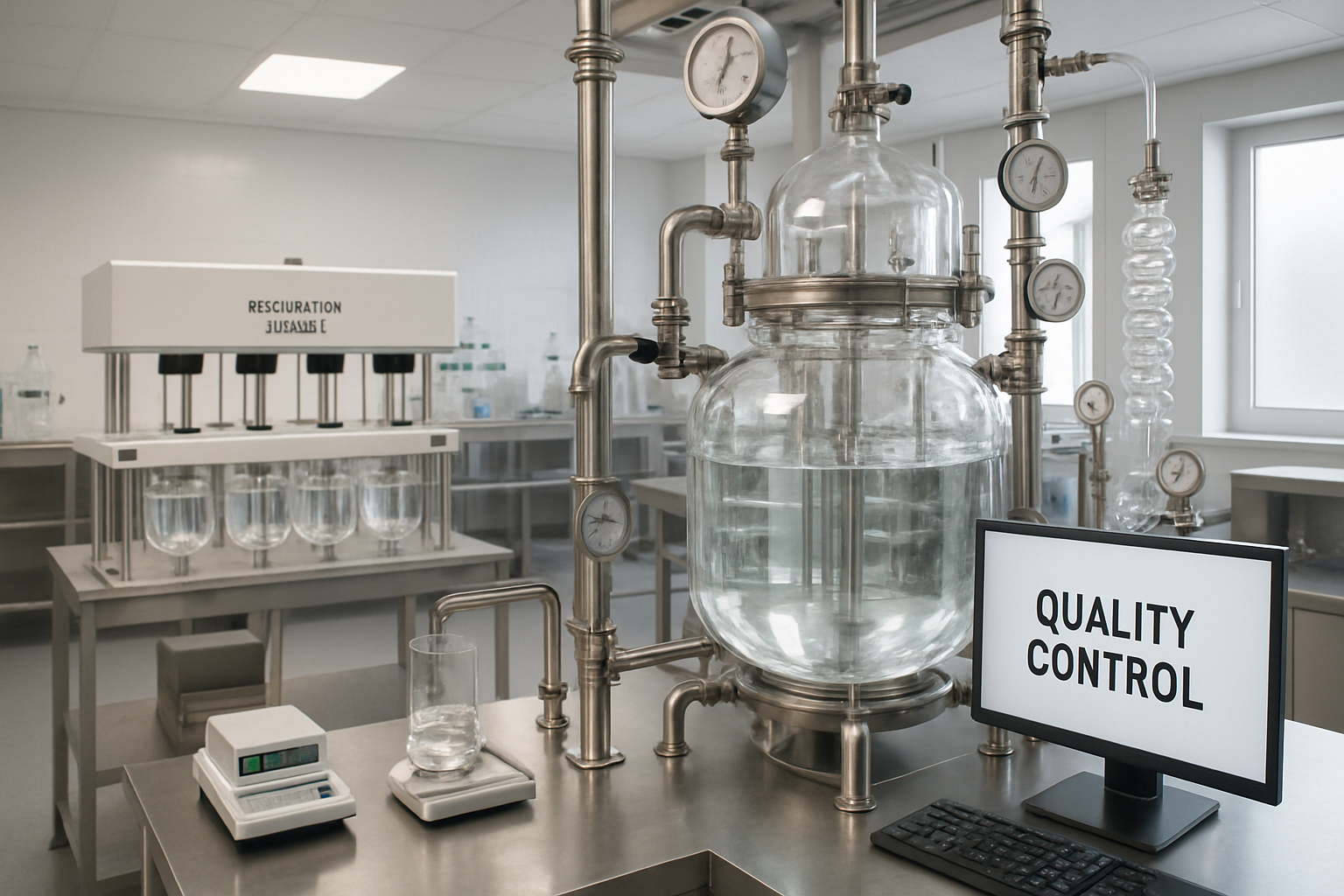
In many applications, particularly in reactors and fermentation vessels, visual monitoring is vital. Transparent materials, such as borosilicate glass, allow operators to observe processes and identify potential issues. This transparency can also be beneficial in ensuring product integrity in parenteral and ophthalmic formulations.
Sterilisation Compatibility
To prevent contamination of sensitive products like parenterals and ophthalmics, equipment must be capable of withstanding rigorous sterilisation processes. Materials should endure high pressures and temperatures, typically around 121°C and 15 psi. For rubber components, vulcanisation may be necessary to maintain integrity under these conditions.
Surface Maintenance
The ease of cleaning equipment is another critical consideration. Smooth, polished surfaces facilitate effective cleaning, minimising the risk of cross-contamination between batches. Both stainless steel and glass can be treated to achieve the necessary level of smoothness.
Fabrication Processes
Materials must also be amenable to fabrication methods like casting, welding, and forging. For example, glass and plastic can be shaped easily into various forms, and glass coatings are commonly applied to reaction vessels to enhance functionality.
Thermal Stability
Materials should maintain their structural integrity under varying temperatures. A high coefficient of thermal expansion can lead to deformation and potential fractures, so selecting materials that retain their shape during operational temperature fluctuations is vital.
Heat Transfer Efficiency
In applications involving heat exchange, such as evaporators and dryers, materials must exhibit excellent thermal conductivity. Metals like copper, iron, and graphite are often preferred for their ability to transfer heat effectively.
Durability and Wear Resistance
When two surfaces come into contact, wear can occur, leading to contamination. For example, using softer materials for milling can compromise product purity. It is advisable to avoid utilising ceramic or iron surfaces when grinding high-purity pharmaceuticals.
Weight Considerations
In transportation and packaging, the weight of materials plays a significant role. Lightweight materials such as plastics, aluminium, and paper are typically chosen for their practicality.
Structural Integrity
Finally, the strength of materials is paramount. They must withstand the pressures and stresses encountered during operation. Stainless steel is often used for its high strength and durability, while materials like glass, though fragile, can offer considerable strength in specific applications. Packaging materials, such as aerosol cans, often combine metals with protective polymer coatings to ensure both durability and safety.
| Material | Use | Properties |
|---|---|---|
| Stainless Steel | Equipment construction | High strength, corrosion-resistant |
| Borosilicate Glass | Reaction vessels | Transparent, heat-resistant |
| Plastic | Packaging | Lightweight, versatile |
| Aluminium | Packaging | Lightweight, corrosion-resistant |
| Copper | Heat exchangers | Excellent thermal conductivity |
Comments (0)
Loading comments…
Checking sign-in status…