

PTD-DBM is a peptide that modulates BMP signaling by disrupting intracellular interactions, making it a valuable tool for research in tissue remodeling, developmental biology, and regenerative science. Its design allows for targeted delivery of biologically active peptides across cellular membranes, enhancing studies on complex signaling pathways.
PTD-DBM has generated significant interest in various scientific fields due to its unique capability to modulate cellular interactions without acting as a conventional receptor agonist or growth factor. This peptide specifically disrupts intracellular interactions within the bone morphogenetic protein (BMP) signaling pathways rather than activating signal transduction directly. As a result, PTD-DBM serves as a valuable molecular tool in studies related to tissue remodeling, developmental biology, regenerative science, and cellular differentiation.
Researchers have increasingly recognised that controlling intracellular signaling precisely is a primary challenge within molecular biology. Numerous biological processes are regulated simultaneously by a variety of signaling pathways, complicating selective modulation. PTD-DBM exemplifies how engineered peptides can target specific intracellular interactions while minimizing interference with other signaling networks.
Insights into the Molecular Composition of PTD-DBM

The design of PTD-DBM incorporates two functional components. The initial component is a protein transduction domain (PTD), which facilitates the transport of peptides across cellular membranes. In the realm of molecular biology, these PTDs have been effectively used to deliver biologically active peptides into intracellular regions that conventional extracellular molecules cannot access. The second component consists of protein domains that regulate BMP signaling, specifically engineered to disrupt the intracellular interactions among signaling proteins typically involved in BMP-mediated transcriptional control.
Exploring BMP Signaling Mechanisms
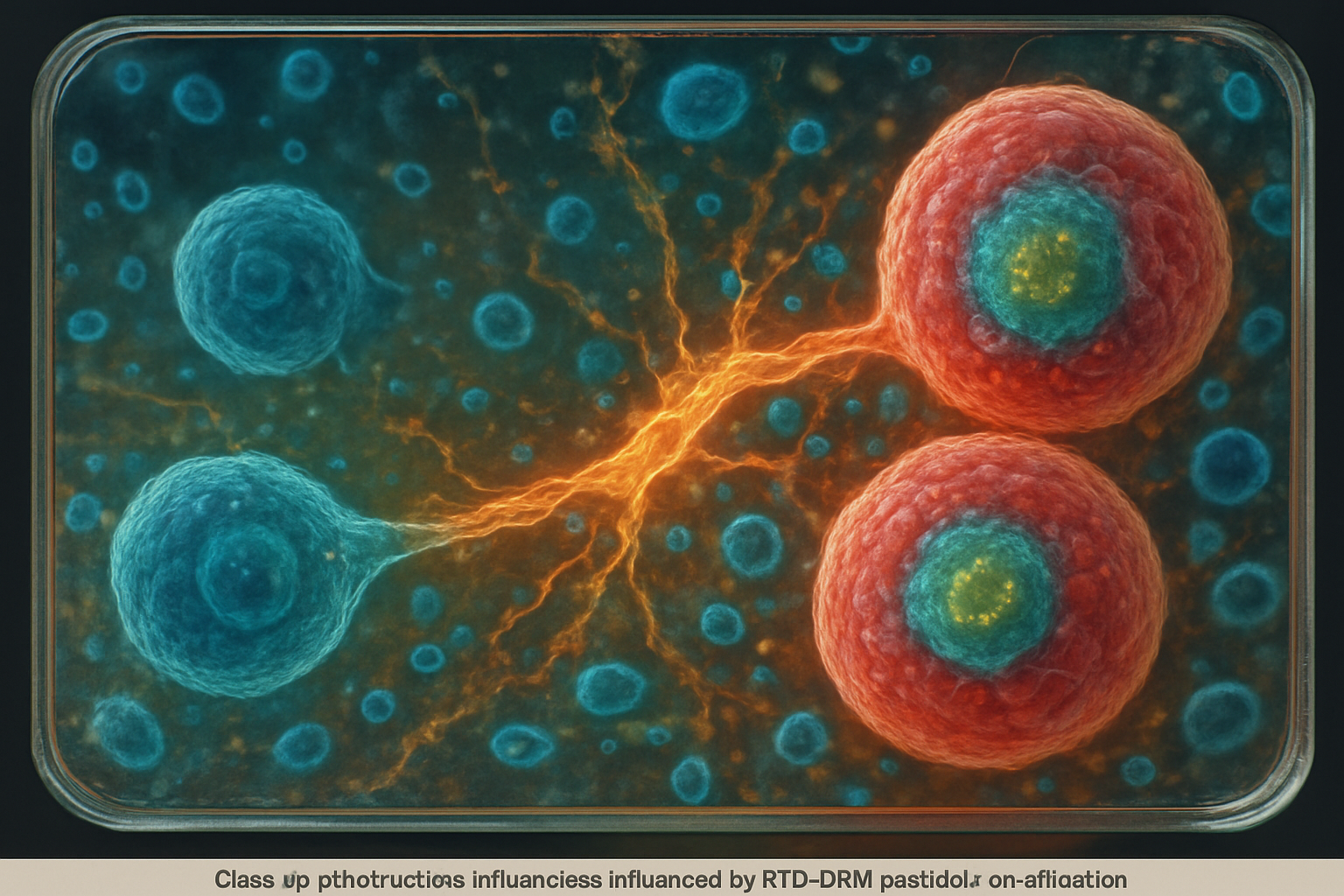
One prominent application of PTD-DBM lies in the examination of BMP signaling itself. BMP pathways play a crucial role in regulating transcription factors that impact gene expression, influencing cellular identity and tissue organisation. These pathways are known to interact extensively with Wnt, Notch, Hedgehog, and TGF-β signaling, creating intricate regulatory networks.
Impacts on Regenerative Biology
PTD-DBM has promising implications for regenerative biology. Many regenerative strategies depend on a fine balance between stimulatory and inhibitory molecular signals. An overactive pathway may disrupt the organisation of newly forming tissues, while insufficient activity could impede coordinated tissue remodeling. Research indicates that BMP signaling is central to these regulatory mechanisms. Thus, the selective modulation by PTD-DBM may enhance our understanding of the molecular orchestration underlying regenerative processes.
Research on Extracellular Matrix Dynamics
The extracellular matrix (ECM) represents a dynamic milieu comprised of structural proteins, signalling molecules, and regulatory enzymes. Studies suggest that BMP signaling significantly influences various aspects of ECM production, organisation, and remodelling, which are vital for maintaining structural integrity across numerous biological systems. PTD-DBM may be particularly useful for researchers aiming to understand the role of intracellular signaling in ECM composition.
Overview: cellular Differentiation and Lineage Decisions
Cellular differentiation is an extensively researched area within developmental biology. During developmental processes, precursor cells encounter a multitude of biochemical signals that govern their lineage commitment. BMP signaling is one of the major pathways involved in these critical decision-making processes. Experimental observations suggest that variations in BMP activity can affect the timing and extent of differentiation.
Overview: research Applications Related to Fibrosis
Fibrosis results from an excessive accumulation of extracellular matrix due to altered cellular signaling and ongoing remodelling. Although fibrosis is a complex biological phenomenon involving numerous signaling pathways, there is evidence suggesting extensive cross-talk between BMP signaling and TGF-β mediated regulatory pathways. The intracellular modulation of BMP signaling via PTD-DBM could provide insights into the interconnected nature of these regulatory mechanisms influencing matrix deposition.
Development and Morphogenesis
Throughout development, the spatial and temporal control of signaling molecules is crucial. BMPs have a significant role to play in embryonic patterning, organogenesis, and structural organisation. Due to their broad involvement, researchers are continuously on the lookout for experimental tools that can selectively modify intracellular signaling without inducing lasting alterations in developmental programs. PTD-DBM may present such opportunities when used under controlled laboratory conditions.
Interplay Among Key Signaling Pathways
Current trends in molecular biology underscore the importance of recognizing that signaling pathways generally do not function in isolation. BMP signaling interacts with various pathways, such as TGF-β, Wnt, MAPK, PI3K/Akt, and Notch. Together, these molecular frameworks regulate cellular proliferation, differentiation, migration, and structural remodelling. PTD-DBM has gained attention for its potential to modulate a singular intracellular pathway, thereby revealing how adjacent signaling networks may compensate or adapt.
Broadening Research Methodologies
Beyond its direct biological function, PTD-DBM illustrates how engineered peptides can serve as intricate intracellular research tools. Protein transduction domains introduce novel possibilities for delivering biologically active molecules into cells without the need for genetic modification. The integration of intracellular exposure systems with pathway-specific regulatory domains may yield highly adaptable molecular tools for investigating a wide spectrum of signaling mechanisms.
Future Directions in Peptide Research
PTD-DBM represents a novel approach in peptide research, focusing on the selective modulation of intracellular signaling rather than direct receptor activation. This strategy aligns with the broader scientific movement towards increasingly precise molecular interventions capable of elucidating complex regulatory mechanisms. Ongoing research still raises numerous questions regarding optimal intracellular targeting strategies, pathway selectivity, duration of signaling, and interactions among interconnected molecular networks. Further investigations may enhance our understanding of how intracellular peptide regulators influence transcriptional programs responsible for tissue organisation, ECM remodelling, and cellular differentiation.
Source Literature
1. PTD-DBM. Kim H. J., et al. Foundational studies describing PTD-DBM as an intracellular inhibitor of Bone Morphogenetic Protein signaling through disruption of Smad-related protein interactions.
2. Bone Morphogenetic Protein signaling. Miyazono K., Kamiya Y., Morikawa M. (2010). Journal of Biochemistry, 147(1), 35–51.
3. Massagué J. (2012). TGFβ signalling in context. Nature Reviews Molecular Cell Biology, 13(10), 616–630.
4. Shi Y., Massagué J. (2003). Mechanisms of TGF-β signaling from cell membrane to the nucleus. Cell, 113(6), 685–700.
5. Wu M. Y., Hill C. S. (2009). TGF-β superfamily signaling in development and disease. Developmental Cell, 16(3), 329–343.
Comments (0)
Loading comments…
Checking sign-in status…