
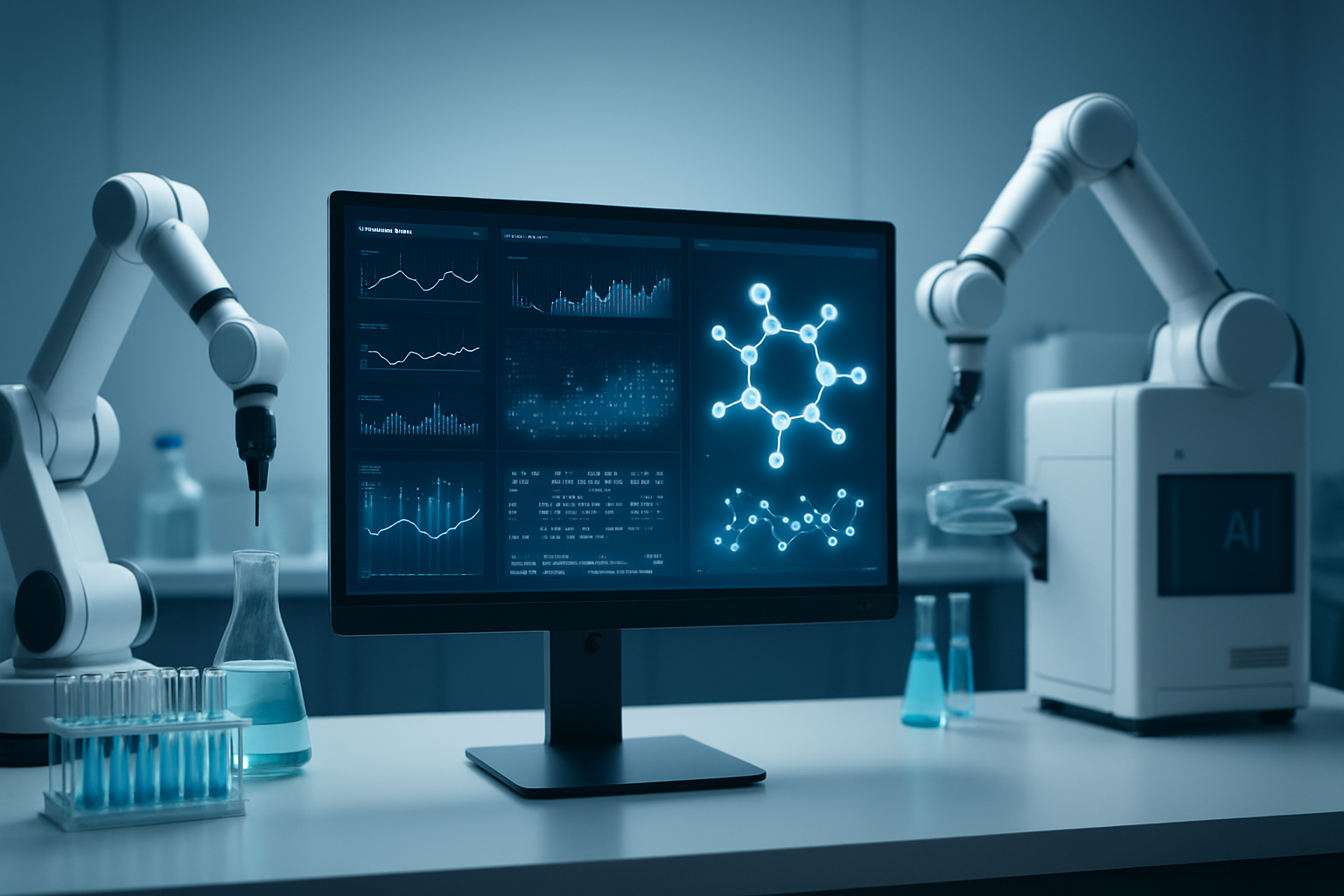
Artificial intelligence is significantly impacting the pharmaceutical sector by enhancing drug discovery, optimizing clinical trials, and improving manufacturing processes. It also aids in personalized medicine and regulatory compliance, while facing challenges like data privacy and algorithmic bias.
Artificial intelligence (AI) is transforming various industries, with the pharmaceutical sector being a notable beneficiary. Its applications range from accelerating drug discovery to refining manufacturing processes, ultimately leading to more effective patient care.
Overview: enhancing Drug Discovery and Development

AI is revolutionising the way drugs are discovered and developed. By analysing extensive biological databases, AI algorithms expedite the identification of potential drug candidates with greater precision than conventional methods allow. Through machine learning techniques, researchers are now able to predict molecular interactions and biological activities, significantly streamlining the initial stages of drug development. Moreover, deep learning modules aid in designing drug structures, which can considerably shorten the timeline for bringing new medications to market.
Improving Clinical Trials
The clinical trial process is complex, but AI is making strides in optimising it. By utilising predictive analytics, AI helps in crafting more efficient trial designs, selecting appropriate participants, and monitoring adherence effectively. It also identifies potential risks early on and enables real-time data analysis, thereby simplifying the often cumbersome clinical trial processes.
Optimising Manufacturing Processes
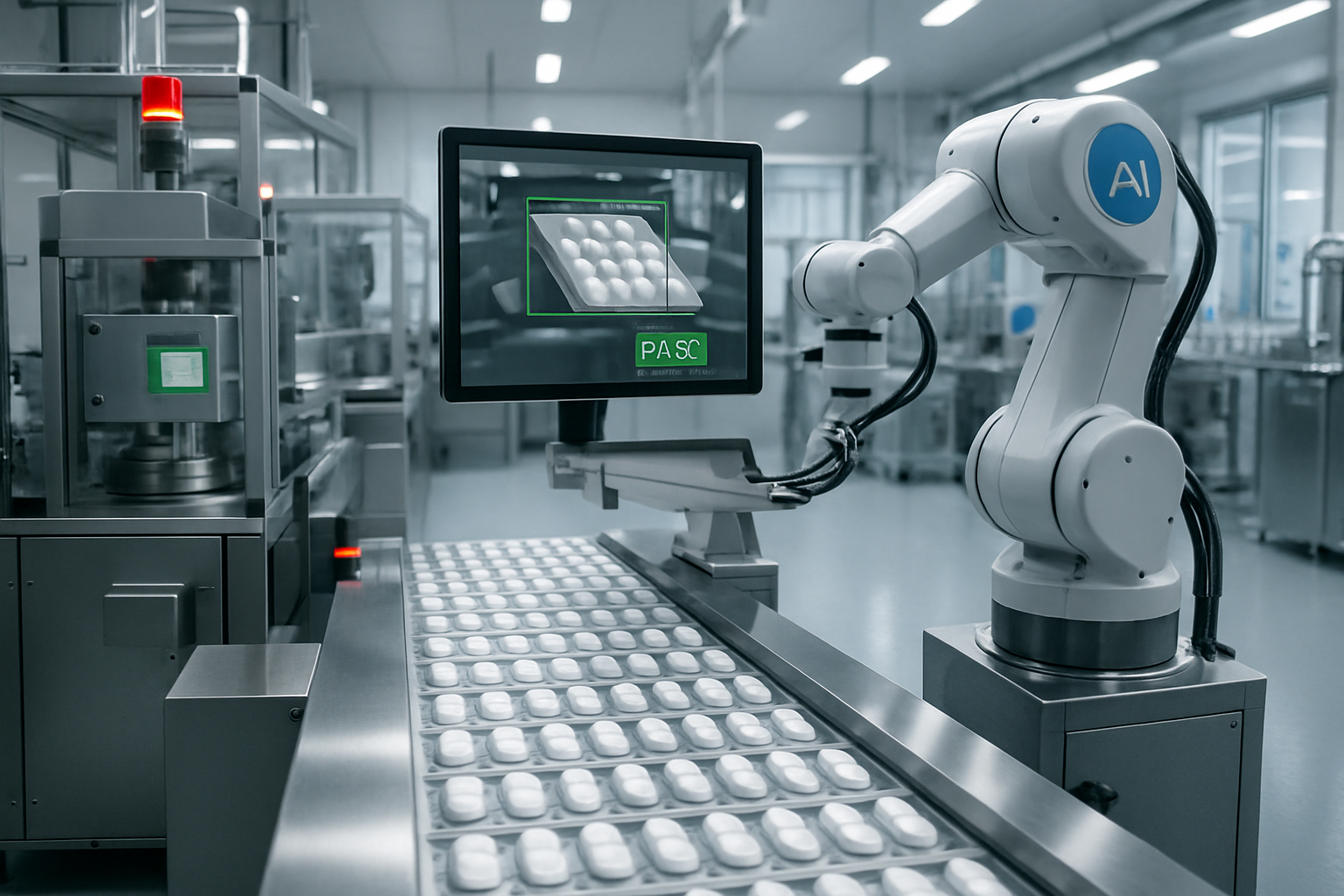
In manufacturing, AI enhances production efficiency and product quality through real-time monitoring of production lines. AI systems can anticipate equipment maintenance needs, thereby reducing downtime and improving overall process control. This level of oversight allows for immediate corrective actions when deviations occur, which is crucial in maintaining product quality in a regulated environment.
Advancing Personalised Medicine
Personalised medicine is gaining traction with the help of AI, which processes genetic data and patient health records to provide tailored treatment options. AI models are particularly useful in oncology, where they can suggest optimal treatment plans based on individual genomic profiles and real-time health data, thus maximising therapeutic effectiveness.
Facilitating Regulatory Compliance
Compliance with regulatory standards is paramount in the pharmaceutical industry. AI assists in this area by enhancing the accuracy of documentation and generating comprehensive audit trails. Additionally, AI systems continuously monitor compliance processes, allowing for the timely detection of deviations and fostering adherence to regulatory requirements.
Overview: streamlining Supply Chain and Logistics
AI plays a crucial role in the pharmaceutical supply chain management, improving efficiency and transparency from the procurement of raw materials to the distribution of finished products. By analysing historical data and market trends, AI can accurately predict demand, assisting in inventory management and helping prevent material shortages.
Challenges in Adopting AI in Pharmaceuticals
Despite its potential, the implementation of AI in the pharmaceutical industry faces several challenges.
Overview: data Privacy and Security Concerns
The protection of patient data is imperative, and the use of AI poses risks regarding data security. Safeguarding clinical data from unauthorised access is critical as it is generated and processed by AI systems.
Addressing Algorithmic Bias
AI systems can inadvertently exhibit biases in decision-making. To mitigate this, it is essential to train algorithms on diverse datasets, ensuring a more equitable application of AI in pharmaceuticals.
Regulatory Acceptance Issues
Regulatory bodies are still evaluating the reliability of AI-generated evidence. There is a need for more time and data to build trust in AI systems, as they become an integral part of pharmaceutical practices.
While AI has made significant inroads in drug discovery and data analysis, its full potential is yet to be realised. Its ongoing expansion in pharmaceuticals continues to promise advancements, particularly in areas where data analysis is inherently challenging.
Comments (0)
Loading comments…
Checking sign-in status…