
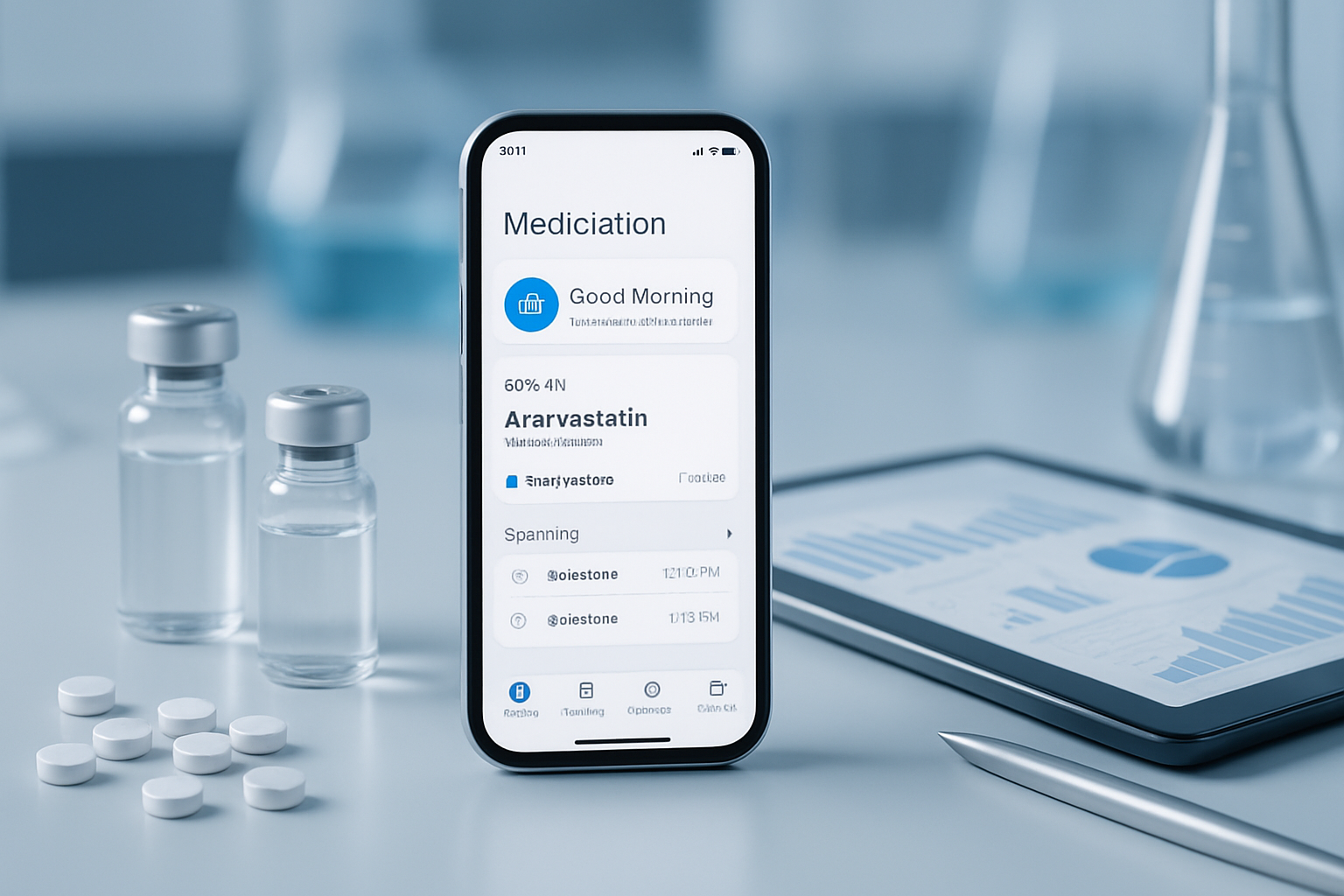
Mobile technology is transforming medication adherence by enhancing communication between healthcare providers and patients, offering tools for tracking and managing regimens. It streamlines operations for providers and empowers patients to manage their health effectively.
In the pharmaceutical sector, mobile technology is transforming how healthcare providers and patients interact, particularly in the realm of medication adherence. This technology not only enhances communication but also offers various tools for tracking and managing medication regimens effectively.
Advancements in Mobile Communication
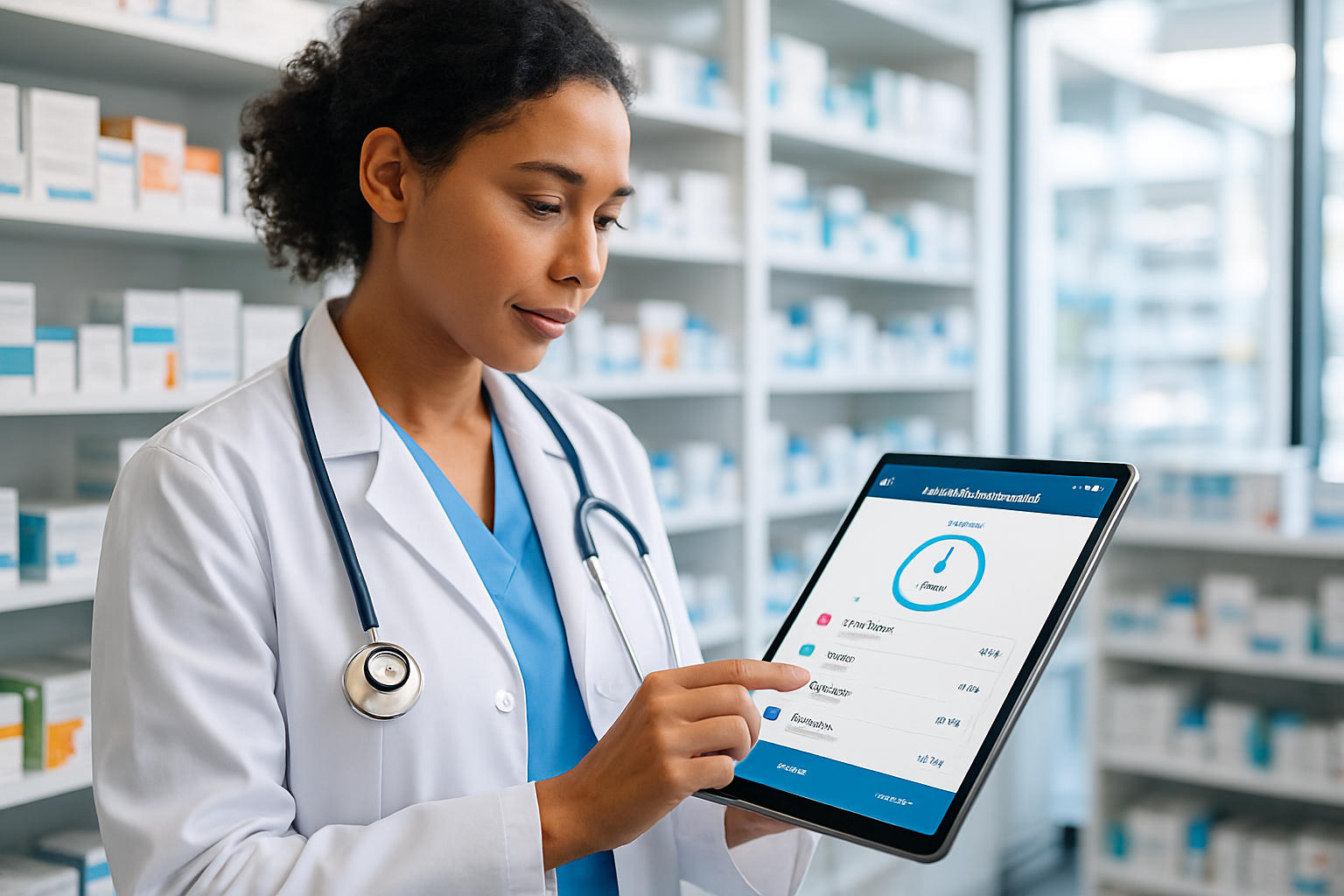
Mobile technology has evolved significantly, transitioning from basic communication tools to complex devices capable of multitasking. The introduction of multi-transmitter systems, such as CDMA, allows simultaneous data transmission across multiple channels, reducing interference and enhancing user experience. This evolution has made mobile devices indispensable in both urban and rural settings.
Today’s smartphones serve a multitude of functions beyond voice calls and messaging, including GPS navigation, internet access, and video conferencing. This versatility has made mobile devices essential for businesses, including those in the healthcare sector, where they facilitate patient engagement and enhance service delivery.
Implications for Patient Care
For patients, mobile technology provides an invaluable tool for managing their health. It allows for seamless medication refills, symptom tracking, and access to treatment information, empowering patients to take control of their health. This proactive approach is crucial in preventing unnecessary medical visits and hospital admissions due to non-adherence.
Benefits for Healthcare Providers
Healthcare providers benefit from mobile technology by streamlining their operations. Patients who engage in self-management of their medications can significantly reduce the burden on healthcare practices, allowing providers to allocate resources more effectively. Enhanced communication between specialty pharmacies and patients regarding prescription updates and reminders can lead to improved medication adherence and, consequently, better patient health outcomes.
Monitoring Medication Adherence
Loading flowchart…
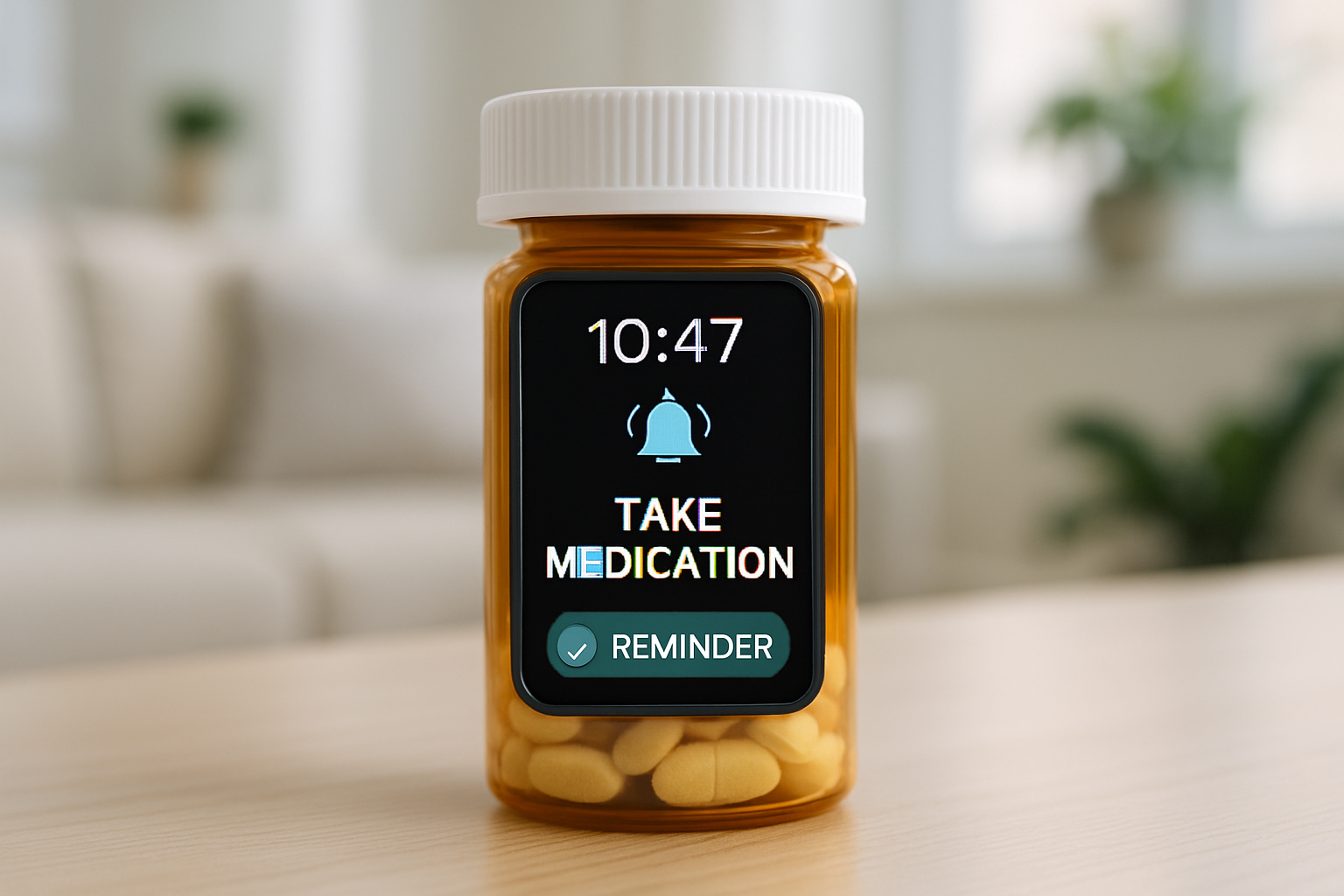
Digital adherence monitoring has emerged as a vital tool for assessing patient compliance with prescribed medication regimens. This method provides trial leaders with critical insights into adherence levels, enabling them to identify and address potential non-adherence issues before they impact study outcomes.
Traditional methods such as pill counting or self-reporting are often biased and may not accurately reflect adherence levels. In contrast, smart packaging solutions have demonstrated a high accuracy rate of 97% in tracking medication intake, compared to just 60% for pill counting and 27% for self-reporting. These digital solutions utilize microcircuitry to transmit real-time dose administration data, facilitating user-friendly adherence monitoring.
Impact on Clinical Trials and Healthcare
The integration of adherence-informed trials can significantly optimise drug development processes. By improving compliance with medication schedules and enhancing data quality, healthcare systems can reduce the size of patient populations needed for studies and shorten time-to-market for new drugs. This not only benefits pharmaceutical companies but also ensures that patients receive effective treatments in a timely manner.
Ultimately, the adoption of mobile technology in medication adherence monitoring represents a significant advancement in healthcare, enhancing the ability to accurately interpret patient risks and benefits while improving overall health outcomes.
Comments (0)
Loading comments…
Checking sign-in status…