
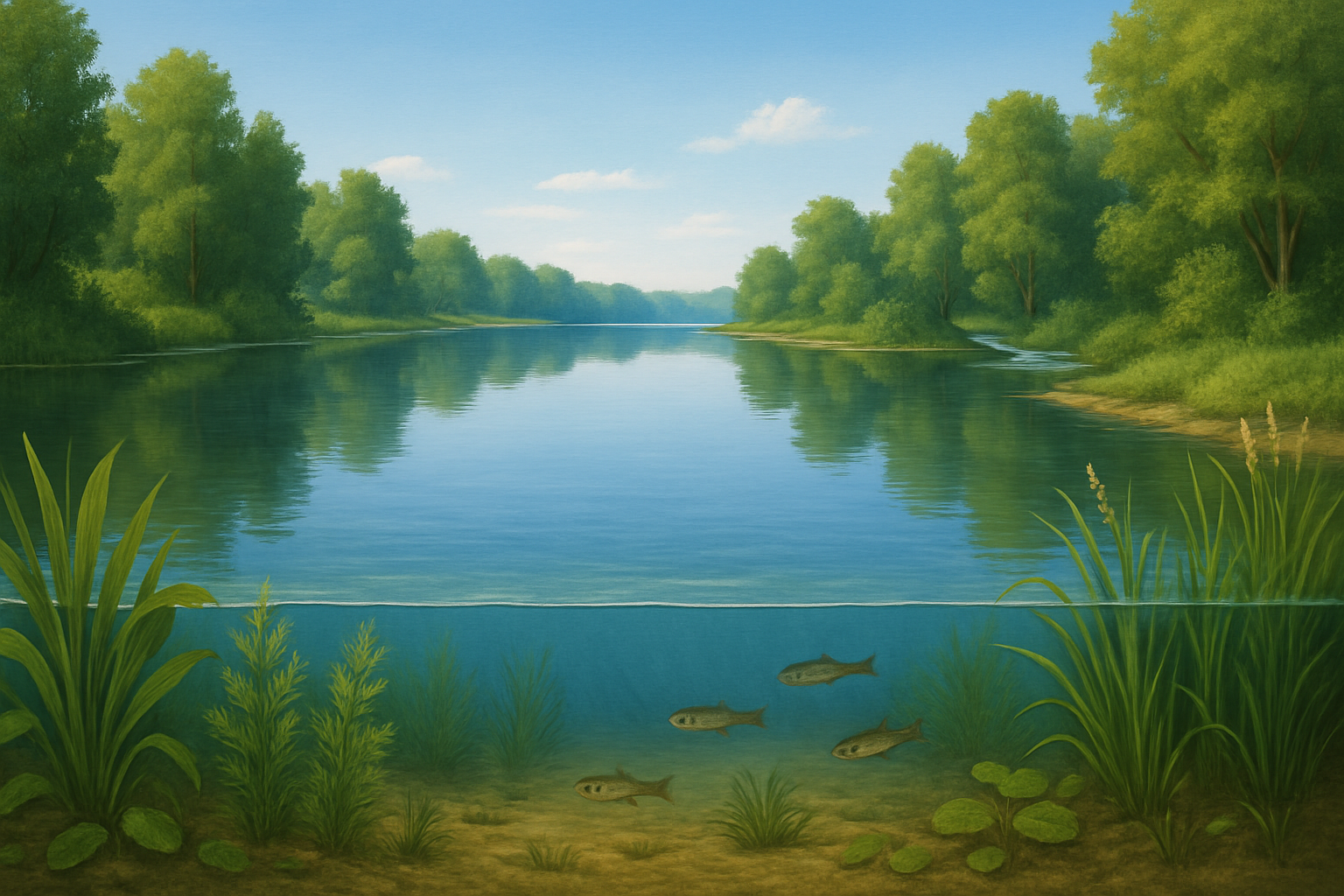
Aquatic ecosystems, including freshwater and marine environments, support diverse organisms and are vital for ecological health. Freshwater habitats like lakes and rivers differ from marine ecosystems such as oceans and estuaries, each hosting unique communities and interactions.
Aquatic ecosystems comprise crucial habitats that support diverse organisms dependent on water for survival. These ecosystems include a range of water bodies, such as rivers, lakes, and oceans, forming complex interactions among living organisms and their environment.
Overview of Aquatic Ecosystems
Water is essential for life, providing nourishment, shelter, and a medium for reproduction. Aquatic ecosystems are categorized based on their salinity and water flow, leading to two main types: freshwater and marine ecosystems. Freshwater ecosystems include various forms such as lakes, ponds, rivers, streams, and wetlands, while marine ecosystems encompass oceans, estuaries, coral reefs, and intertidal zones.
Freshwater Ecosystems
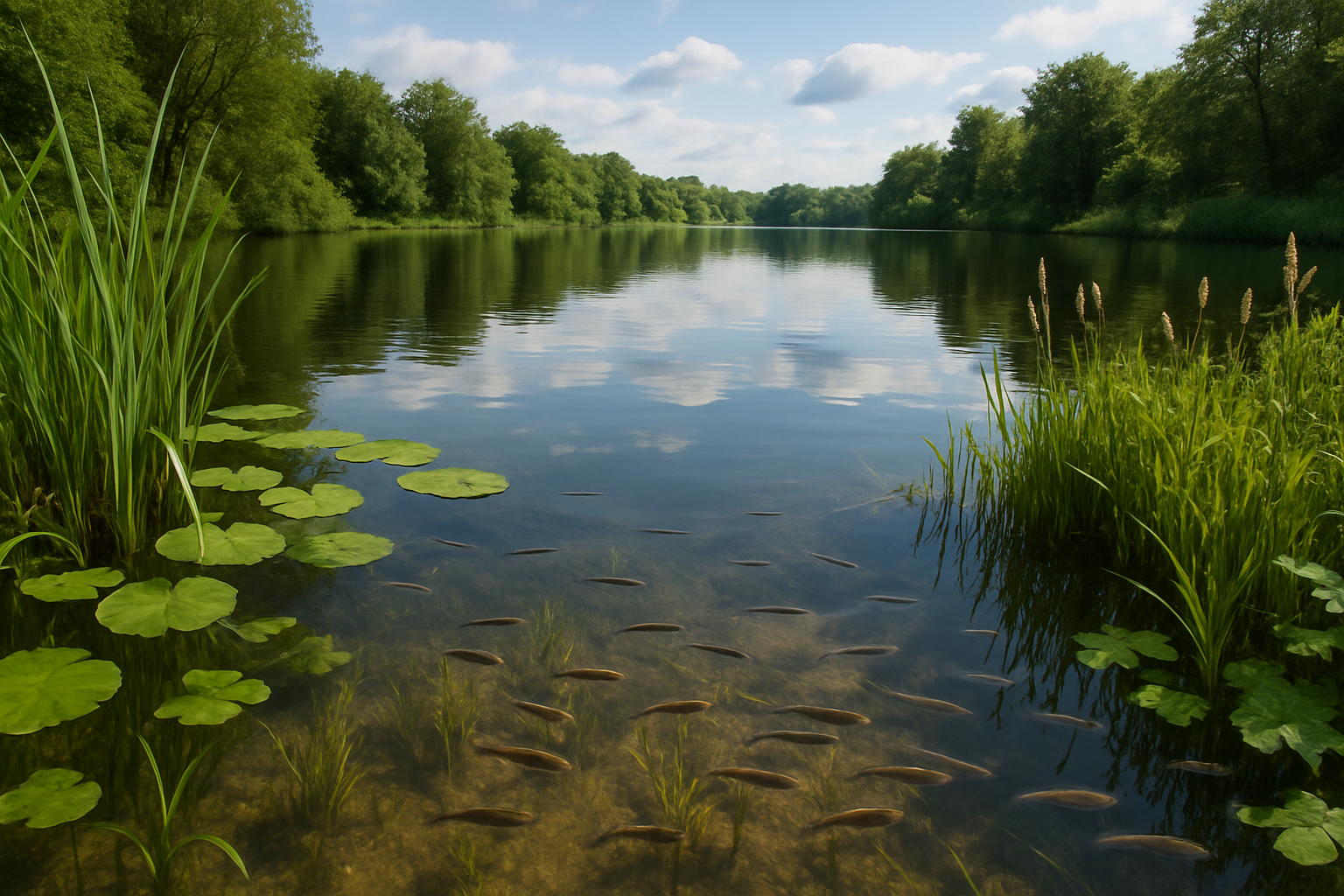
Freshwater habitats account for approximately 0.8% of the Earth's surface, supporting a rich diversity of life. These ecosystems can be further divided into two categories: lentic (standing water) and lotic (flowing water).
Lentic Ecosystems
Lentic ecosystems encompass bodies of standing water, including lakes and ponds. These ecosystems host a variety of flora and fauna, such as algae, amphibians, and various species of fish. The physical structure of lentic habitats often results in distinct biogeochemical zones, which provide different living conditions for organisms.
Lotic Ecosystems
Lotic ecosystems are defined by their unidirectional flow of water, primarily found in rivers and streams. The flow rate and physical characteristics of these waterways influence the biodiversity found within them. Organisms have adapted to the dynamic conditions of lotic environments, with various species of insects and fish thriving in these habitats.
Wetlands
Often referred to as marshes or swamps, wetlands are vital ecosystems that serve as breeding grounds for numerous species. They contain a unique combination of plant species and provide habitat for diverse animal life, playing a critical role in nutrient cycling and water filtration.
Marine Ecosystems
Marine environments are extensive, covering around two-thirds of the Earth's surface. These ecosystems are characterized by their saltwater composition and include oceans, seas, estuaries, and coastal habitats.
Coastal Ecosystems
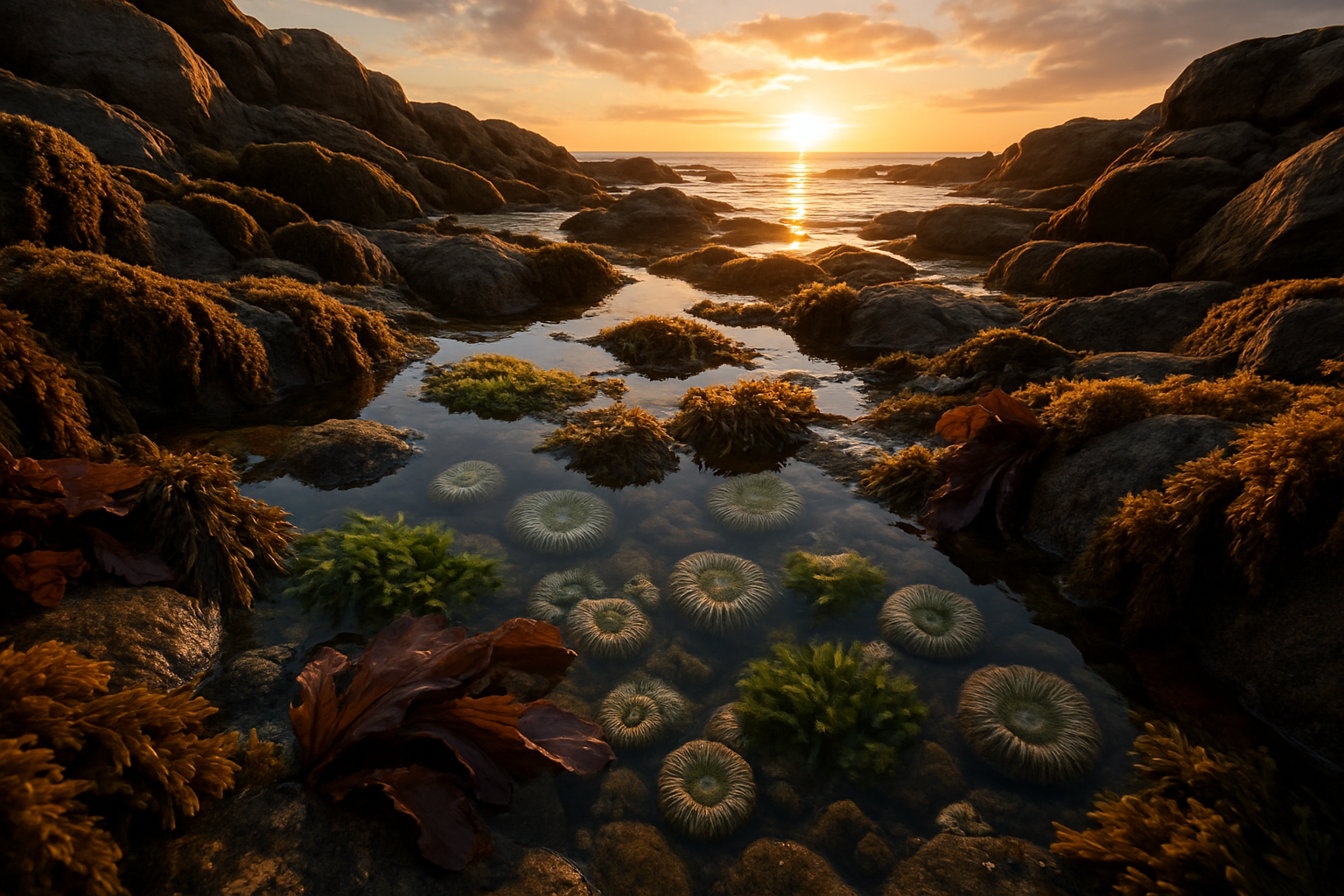
Coastal ecosystems represent the interface between land and sea, hosting a unique array of species, including marine plants and various invertebrates. The complex interactions within these habitats contribute to significant biological productivity.
Overview: oceans
The Earth is home to five major oceans: the Pacific, Atlantic, Indian, Arctic, and Southern Oceans. Each ocean supports distinct communities of marine life, adapted to their specific environmental conditions. The Pacific Ocean, for example, is the largest, containing a significant proportion of marine biodiversity.
Overview: estuaries
Estuaries are transition zones where freshwater from rivers meets the saltwater of seas. These areas are exceptionally productive, trapping nutrients and supporting diverse plant and animal communities. The mixing of fresh and saltwater creates unique conditions that allow for a rich assemblage of species.
Conclusion
The various aquatic ecosystems, whether freshwater or marine, play a crucial role in the Earth's overall ecological health. They are essential for supporting biodiversity and providing numerous ecosystem services, such as water purification and nutrient cycling.
Comments (0)
Loading comments…
Checking sign-in status…