
Cancer is characterized by uncontrolled cell growth and the ability to invade surrounding tissues, influenced by genetic mutations and the tumor microenvironment. It is classified into types such as carcinoma, leukemia, and sarcoma, with various causes including inherited and environmental factors.
Cancer remains one of the most intricate diseases, characterised by uncontrolled cell proliferation, evasion of regulatory mechanisms, and the capacity to invade surrounding tissues. Over the years, advancements have provided insights into the reprogramming of cellular energy metabolism and the phenomenon of immune evasion. The tumor microenvironment plays a crucial role, consisting not only of malignant cells but also a variety of normal cells, including fibroblasts, immune cells, and endothelial cells. These non-malignant components contribute significantly to the invasive and metastatic properties of tumours. Notably, the processes of angiogenesis and immune escape are particularly influential during the perioperative phase, affecting patient outcomes long after surgery.
Types of Cancer
Cancers are categorised based on the tissues they originate from. The following classifications are commonly recognised:
- Carcinoma: This type originates in epithelial tissues, such as those lining the gastrointestinal tract and mucous membranes. It accounts for approximately 80 to 90% of cancer cases.
- Leukemia: This cancer develops in the bone marrow, where blood cells are produced.
- Lymphoma: Arising in the lymphatic system, which includes the spleen, tonsils, and thymus, lymphoma is closely linked to immune function.
- Mixed types: These cancers involve two distinct cellular types, either from the same or different categories.
- Myeloma: Originating in plasma cells, myeloma primarily develops in the bone marrow.
- Sarcoma: This cancer arises from connective tissues such as muscle, fat, and cartilage, typically manifesting later in life.
Causes of Cancer
Cancer encompasses a wide array of diseases marked by unregulated cell growth and the invasion of normal tissues. The body is inherently susceptible to the spread of cancerous cells. Advances in screening and treatment have improved survival rates significantly. The transformation of a normal cell into a cancerous one is primarily due to mutations in its DNA. Each cell contains numerous genes that provide instructions for its functions, growth, and division. Mutations that disrupt these instructions can lead to cancer.
Impact of Genetic Mutations
Gene mutations can lead healthy cells to:
- Exhibit accelerated growth rates, resulting in quicker cell division.
- Lose regulatory controls that typically prevent excessive cell proliferation, allowing cancer cells to accumulate.
These mutations can arise from various sources, including hereditary factors and environmental exposures such as smoking, toxins, radiation, and chronic inflammation. While cells have mechanisms to repair DNA damage, errors can occasionally escape detection, leading to the development of cancerous cells.
Interaction of Genetic Factors
The interplay between inherited mutations and those acquired during an individual's life contributes to cancer risk. Inherited mutations may predispose individuals to cancer, but their expression often requires additional mutations or environmental factors. Accumulation of sufficient mutations is generally necessary for cancer to manifest. The specific type of cancer can influence its prognosis and treatment pathways.
Understanding Cancer Pathogenesis
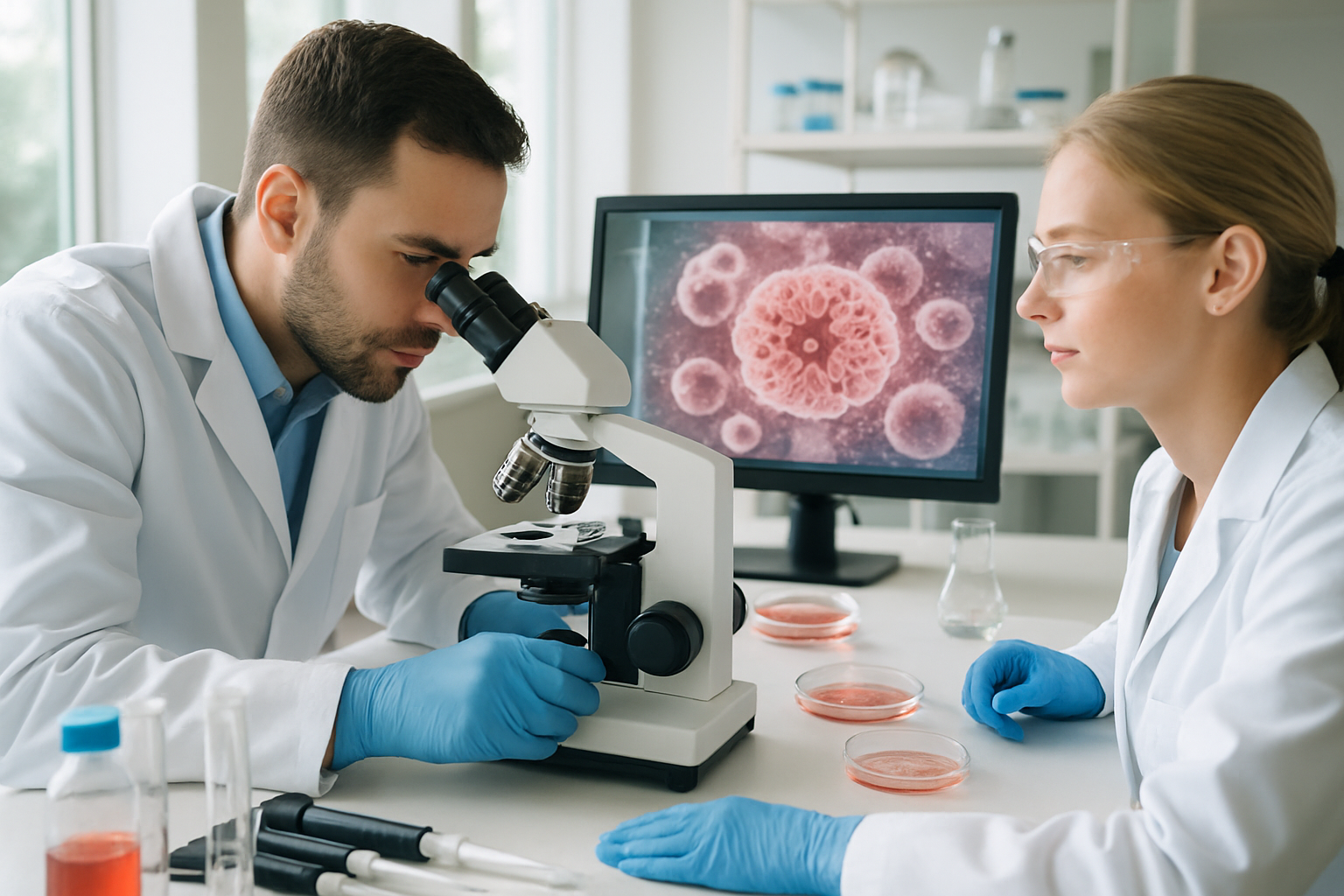
The pathogenesis of cancer is multifaceted, encompassing the study of disease mechanisms, symptoms, diagnosis, and outcomes. Pathologists focus on all aspects of cancer, including biochemical characteristics and the natural progression of the disease. Recent advancements in molecular techniques, such as immunohistochemistry and flow cytometry, have profoundly impacted the understanding of cancer pathology.
Genetic Alterations
Genetic changes in cancer can manifest in various forms. A single point mutation may alter a single nucleotide, while larger alterations can affect entire chromosomes. Genetic changes can primarily be categorised into:
- Oncogenes: These genes, when mutated or overexpressed, promote tumour formation. Cancer patients often exhibit altered levels of these genes.
- Tumour suppressor genes: Normally, these genes inhibit cell division and prevent the survival of cancer cells. Mutations often disable these regulatory genes, allowing for uncontrolled growth.
Amplification of Genetic Material
Genomic amplification refers to the presence of multiple copies of oncogenes and adjacent genetic material within a cell, sometimes exceeding twenty copies.
Single Nucleotide Mutations
Point mutations, which affect individual nucleotides, can significantly alter gene function. Changes in the promoter regions are particularly impactful, potentially leading to the development of oncogenes.
Chromosomal Translocations
Translocations occur when two chromosomal regions abnormally fuse, leading to novel gene formations. A notable example is the Philadelphia chromosome, commonly associated with chronic myelogenous leukemia, which produces the oncogenic BCR-abl fusion protein.
Characteristics of Tumours
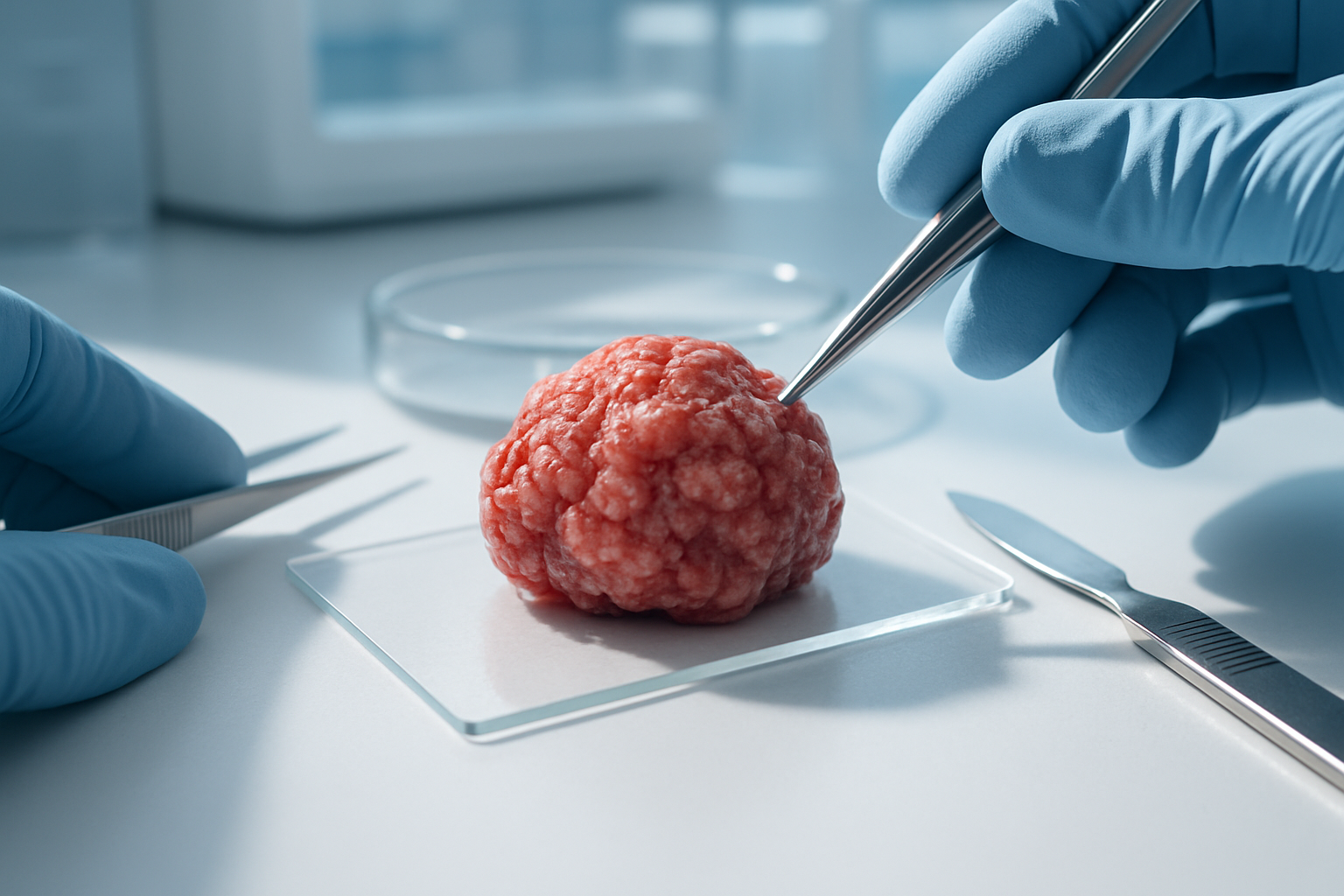
The term 'tumour' originates from the Latin word for swelling, yet not all swellings are tumours in the traditional sense. Tumours can be benign or malignant, with benign growths potentially arising from inflammation or infection. Malignant tumours, conversely, exhibit rapid growth and the ability to metastasise.
Components of Solid Tumours
Solid tumours consist of two primary components: the parenchyma, which contains cancerous cells, and the stroma, which comprises the supportive tissue. The basal lamina typically separates epithelial cells from stromal tissue, although tumours can invade this barrier. The stroma contains nonmalignant cells, blood vessels, and connective tissues, all of which contribute to tumour growth. Notably, the stroma is crucial for solid tumours to achieve substantial size, as tumours limited by their stroma typically do not exceed 1 to 2 millimetres in diameter. Furthermore, angiogenesis, or the growth of new blood vessels, is a hallmark of cancerous growth, with the stroma consisting of various elements including connective tissue, blood cells, and proteins.
Comments (0)
Loading comments…
Checking sign-in status…