

Coenzymes are essential organic molecules that assist enzymes in biochemical reactions, derived mainly from vitamins. They facilitate substrate binding and are crucial for metabolic pathways, highlighting the importance of vitamins and minerals in supporting these processes.
Coenzymes play a pivotal role in the biochemical processes that underpin life. These non-protein molecules are essential for the catalytic activity of enzymes, which are crucial for various metabolic pathways. Understanding the structure and function of coenzymes can provide insights into their importance in both anabolic and catabolic reactions.
The Role of Coenzymes in Enzyme Function
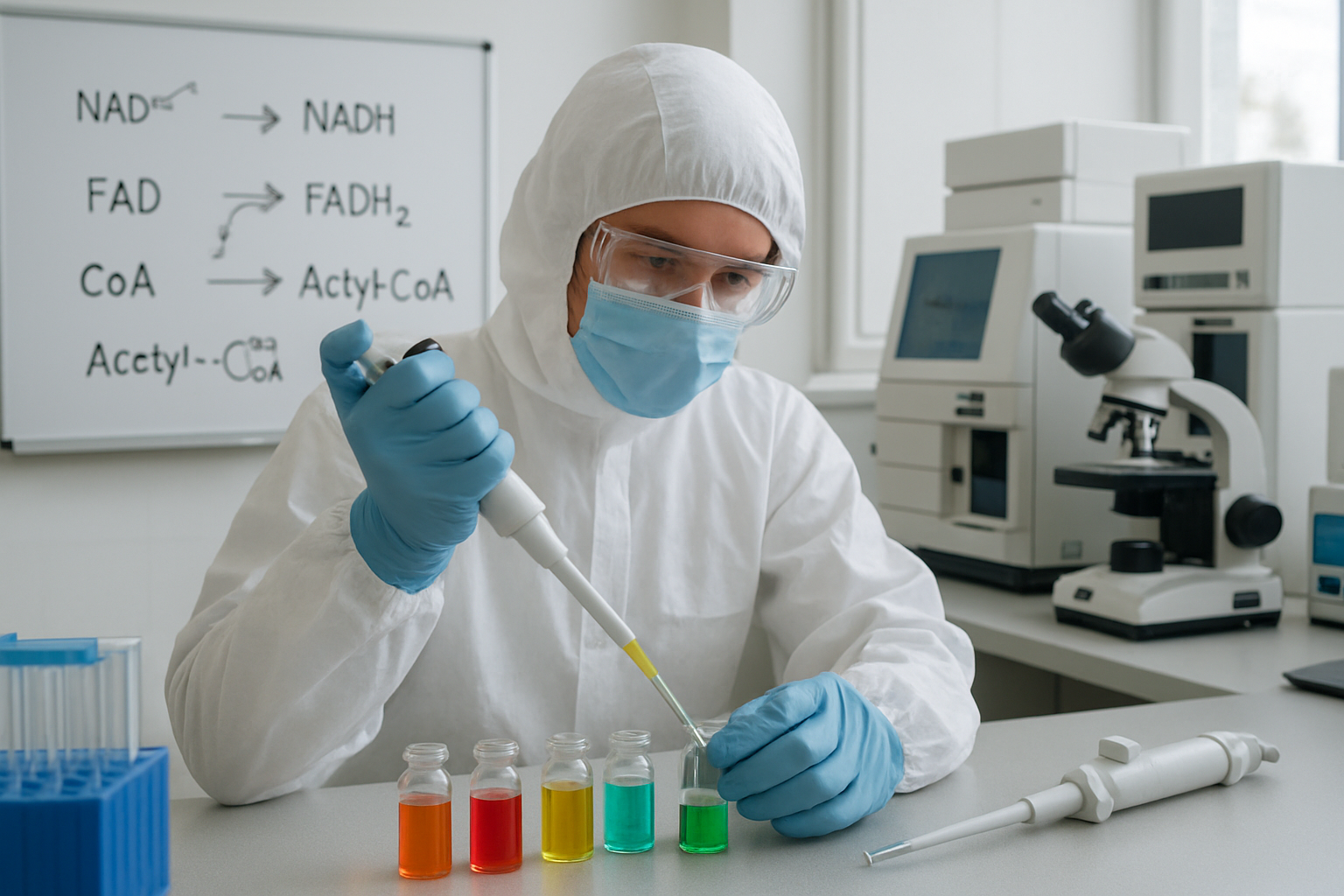
Enzymes, while powerful catalysts, often require additional components to function effectively. These components, known as cofactors, can be either metal ions or organic molecules. When an enzyme is complexed with its cofactor, it is referred to as a holoenzyme. The protein component of the enzyme is termed the apoenzyme, which cannot catalyse reactions independently.
Composition of Holoenzymes
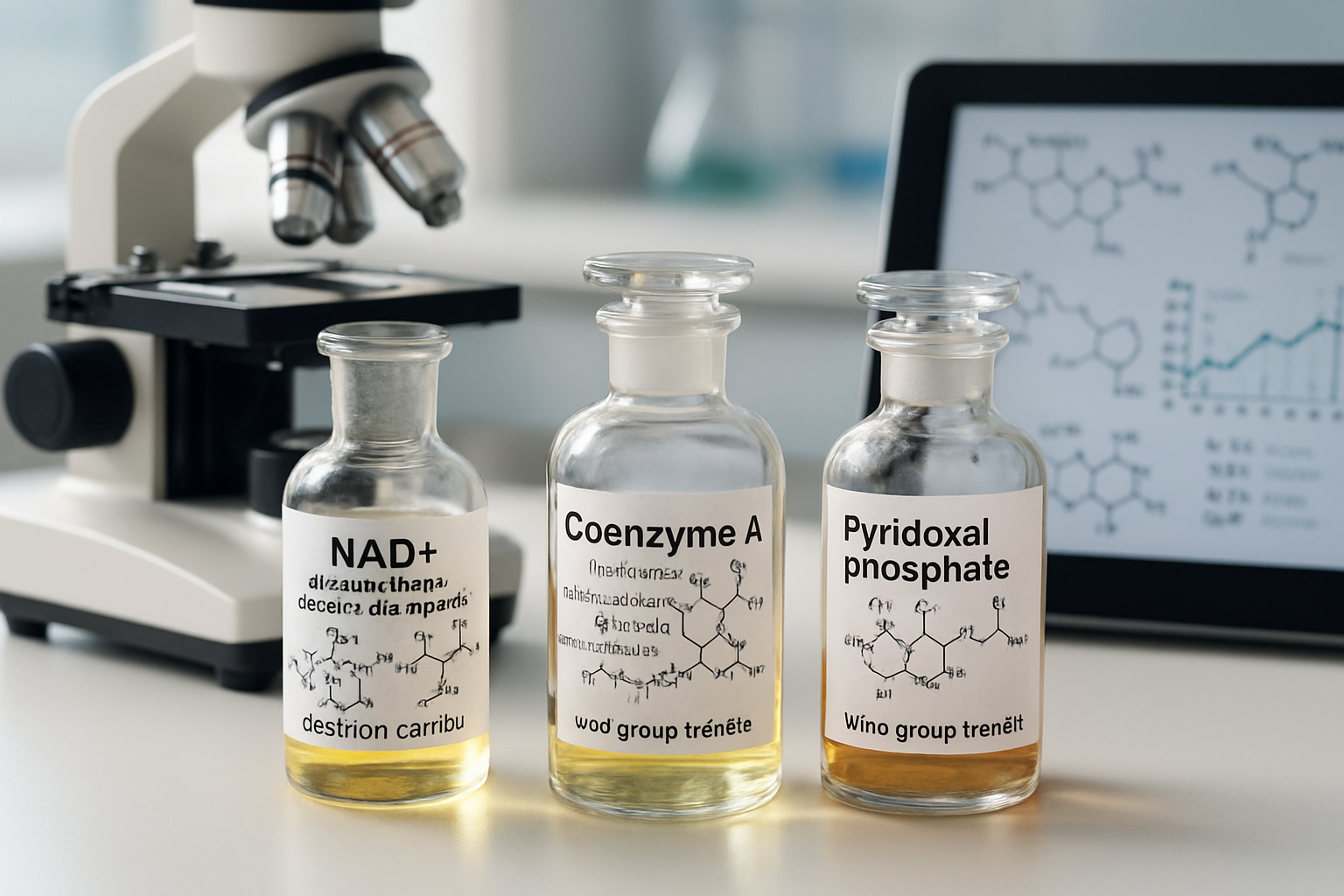
A holoenzyme consists of two main parts: the apoenzyme and the cofactor. Coenzymes, a subset of cofactors, are organic molecules that assist in enzyme activity. They are typically derived from vitamins, which are vital nutrients that our bodies cannot synthesize. For example, many coenzymes are phosphorylated derivatives of water-soluble vitamins.
Mechanism of Action
Coenzymes bind to the active site of the apoenzyme, facilitating the binding of substrates and promoting the chemical reactions. Unlike substrates, coenzymes are not consumed in the reaction; they undergo transformations and are regenerated for further use. This unique relationship allows for the efficient transfer of electrons and functional groups during metabolic reactions.
Types of Coenzymes and Their Functions
Several coenzymes are vital for various biochemical pathways, particularly in the metabolism of macronutrients and the synthesis of biological compounds.
Key Coenzymes and Their Roles
Some of the prominent coenzymes include:
- Flavin Adenine Dinucleotide (FAD): Involved in oxidation-reduction reactions.
- Nicotinamide Adenine Dinucleotide (NAD): Plays a crucial role in electron transport and hydrogen transfer.
- Nicotinamide Adenine Dinucleotide Phosphate (NADP): Functions similarly to NAD but is primarily involved in anabolic reactions.
- Coenzyme A (CoA): Essential for acyl group transfer during fatty acid metabolism.
The Importance of Vitamins and Minerals
Vitamins often act as coenzymes in various metabolic pathways. For instance, retinoic acid, derived from vitamin A, functions as a gene regulator crucial for cell growth. Vitamin K serves as a coenzyme for enzymes that facilitate the transfer of carboxyl groups, which is vital for processes such as bone remodeling and blood coagulation.
Minerals also play a significant role in enzyme activity. They can act as cofactors that enhance the rate of biochemical reactions. Essential minerals such as magnesium, manganese, and selenium are integral to numerous enzymatic processes. Others, like copper and zinc, participate in both enzymatic and non-enzymatic reactions, highlighting the multifaceted roles of these nutrients in biological systems.
Conclusion
The intricate relationship between coenzymes, enzymes, and substrates underscores the complexity of biochemical processes. Maintaining an adequate intake of vitamins and minerals is crucial for the optimal functioning of coenzymes, which in turn supports the myriad of biochemical reactions necessary for life.
Comments (0)
Loading comments…
Checking sign-in status…