
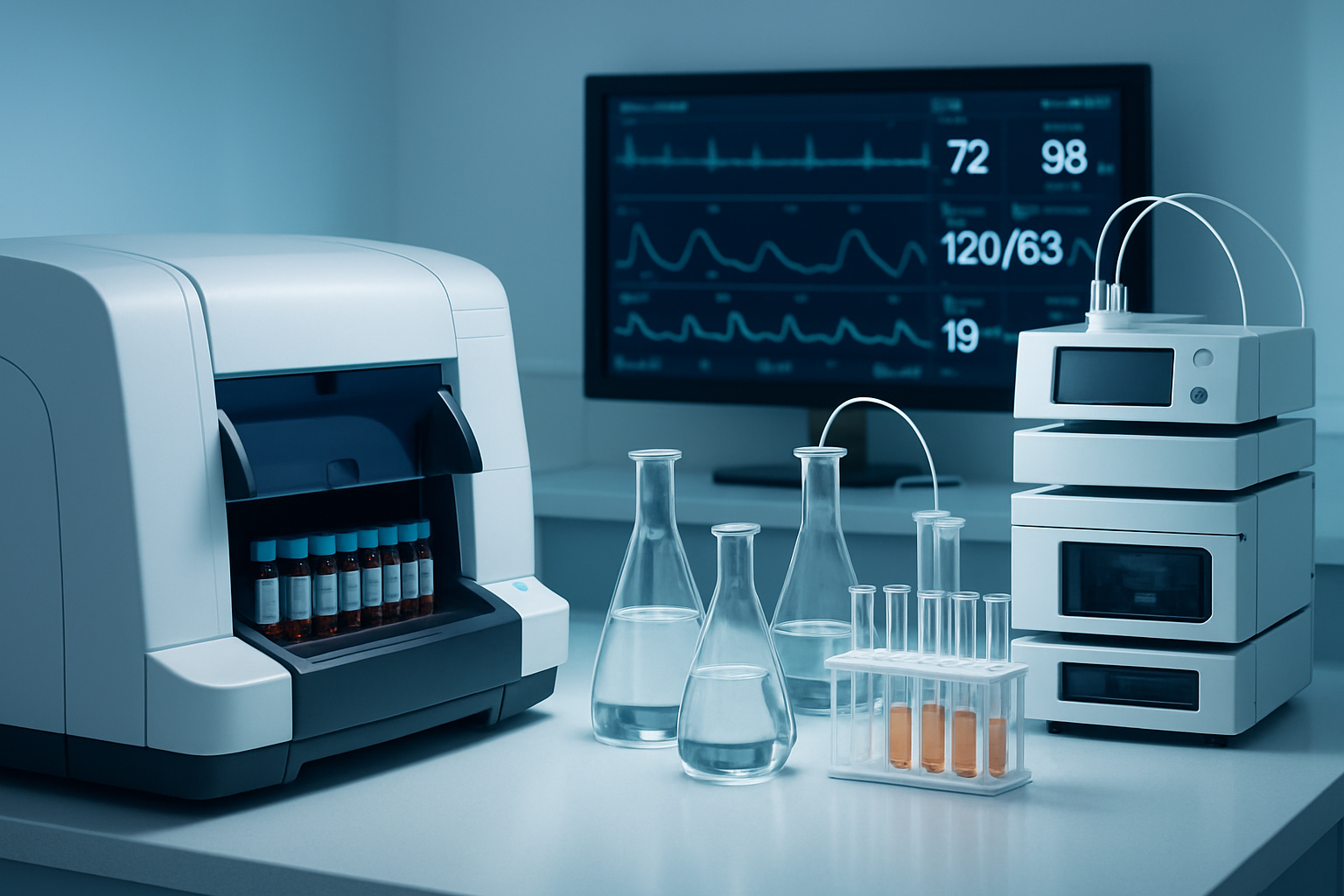
Diagnostic systems in healthcare are essential for identifying issues, monitoring patient conditions, and managing pharmacy operations. They enhance patient care and streamline processes, with various types including laboratory, patient monitoring, and pharmacy information systems.
Diagnostic systems play a crucial role in healthcare by identifying issues, monitoring patient conditions, and managing pharmacy operations. These systems enhance patient care and streamline processes, making them essential tools in modern medical practice.
Overview of Diagnostic Systems
The primary function of diagnostic systems is to pinpoint weaknesses within computer systems, troubleshoot problems, and assist with setup. Most operating systems come with built-in diagnostics, but additional software can offer more advanced capabilities. Depending on the provider, this software may be available as freeware, shareware, or for purchase. Running diagnostics is especially important when issues arise, as it can reveal problems such as corrupted hard drive sectors or conflicting applications. Basic diagnostics typically report found issues, while more sophisticated tools may suggest or implement repairs.
Running stability checks during initial installations can confirm proper setup, while periodic diagnostics help identify potential problems, allowing for proactive maintenance. Additionally, these systems can facilitate security audits, ensuring the integrity of the computer systems in healthcare settings.
Laboratory Diagnostic Systems
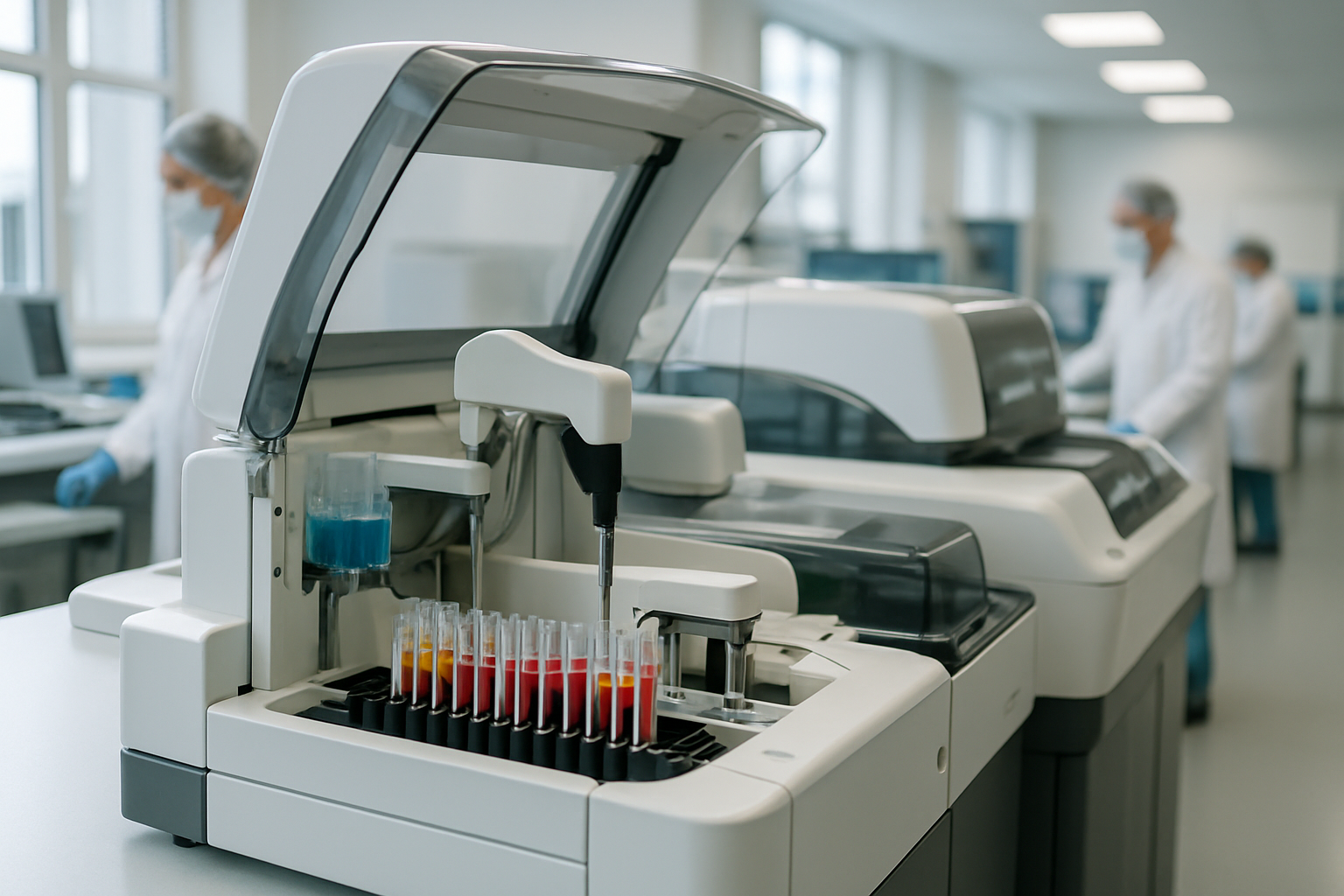
Laboratory tests are vital in diagnosing medical conditions, though they have limitations, particularly in asymptomatic patients. The effectiveness of these tests is contingent on their sensitivity and specificity. Sensitivity refers to the test's ability to correctly identify those with the disease (true positives), while specificity measures the accuracy of identifying those without the disease (true negatives). A test with 100% sensitivity guarantees that a negative result means the absence of disease, while low specificity can lead to numerous false positives.
Advancements in automated analyzers have made various tests more accessible and affordable. Blood and urine analyses are routinely conducted during medical assessments, providing crucial information about infectious agents and metabolic products. Various testing types, including immunologic, glucose, genetic, and toxicology tests, contribute to a comprehensive understanding of a patient's health status.
Patient Monitoring Systems
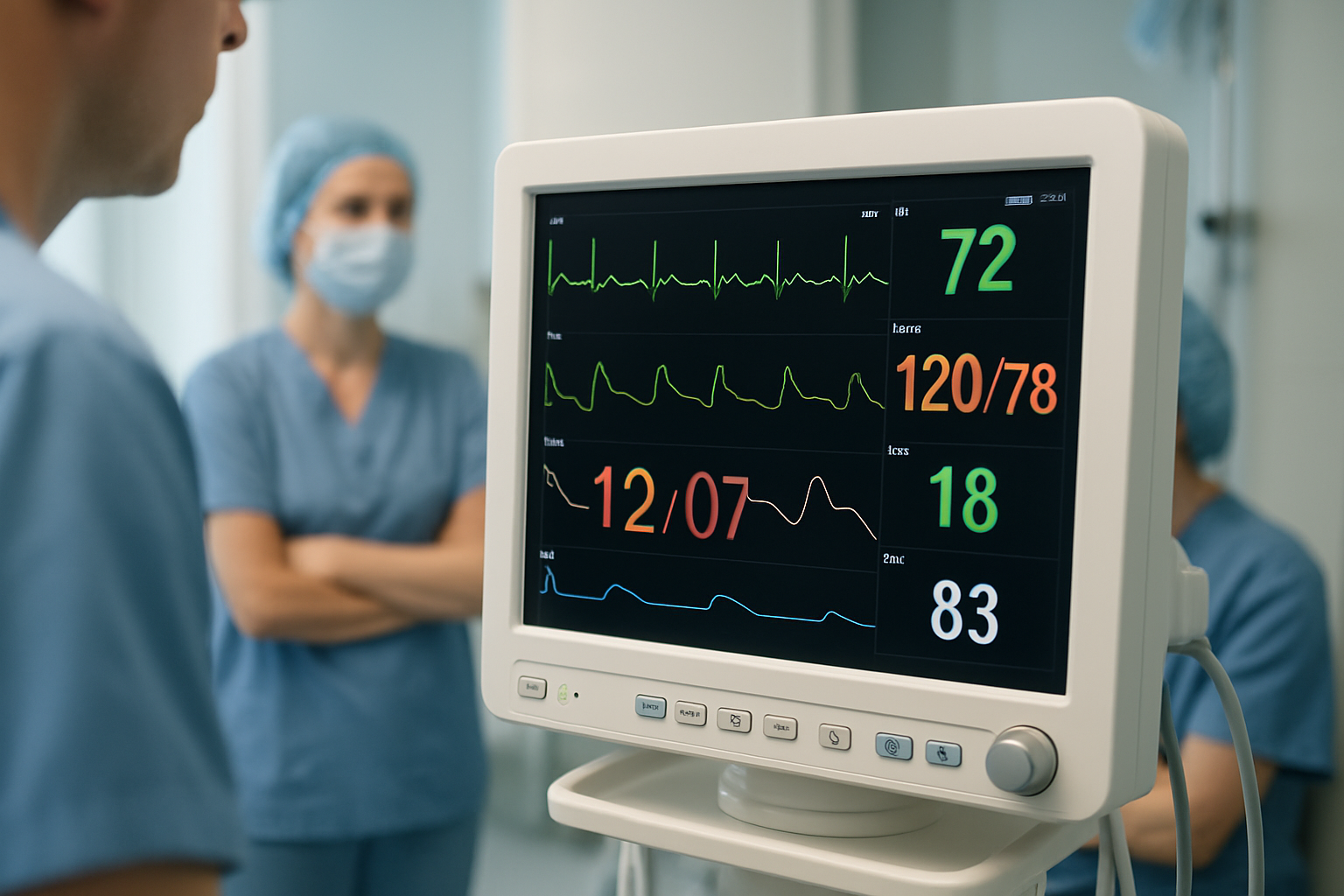
Continuous monitoring is essential for critically ill patients, capturing vital parameters like pulse, respiration rate, blood pressure, and oxygen saturation. ECG monitors are commonly used to collect and display real-time physiological data, enabling immediate clinical decisions. Non-invasive sensors extend monitoring capabilities to less critical patients, allowing for the detection of life-threatening conditions or routine data collection.
Patient monitoring systems are defined by their ability to provide ongoing observations of physiological functions and responses to interventions. These systems alert healthcare providers to potential life-threatening events, thereby supporting timely and effective patient management.
Pharmacy Information Systems
Pharmacy information systems are designed to enhance pharmacist-patient interactions in accordance with the standards set by the Joint Commission of Pharmacy Practitioners (JCPP). The process involves five key steps: collecting data, assessing patient needs, planning care, executing treatment plans, and following up with patients. Technology supports this workflow by facilitating the creation of patient profiles, which helps in delivering optimal care.
Initially, pharmacy information systems featured basic interfaces and limited capabilities. However, they marked a significant advancement in data management for pharmacies. The transition between software systems in the early 1990s posed challenges, with manual data conversion being the norm. Today, pharmacist software encompasses a vast market, offering diverse services across retail, hospital, long-term care, and specialty pharmacies.
Modern systems enable pharmacists and technicians to manage various aspects, including inventory, staffing, pricing, patient information, clinical screening, billing, and prescription dispensing. By automating numerous pharmacy processes, these systems facilitate compliance with regulatory requirements and enhance data analysis for improved healthcare decisions.
Future Directions in Diagnostic Systems
Looking ahead, diagnostic systems are poised to incorporate even more advanced functionalities. The push for interoperability among electronic health records (EHRs) is mirrored in pharmacy systems, as they strive to integrate more seamlessly with other healthcare technologies. Upcoming innovations will likely include data science tools for tracking trends and addressing challenges in patient care.
Pharmacy systems will increasingly focus on ensuring medication adherence and comprehensive management of patient health. Proactive outreach to patients who may struggle with adherence can mitigate the financial burden associated with medication noncompliance. Furthermore, these systems will contribute to public health initiatives by providing critical insights into chronic diseases, addiction issues, and social determinants of health.
[[TABLE_1]]
Comments (0)
Loading comments…
Checking sign-in status…