
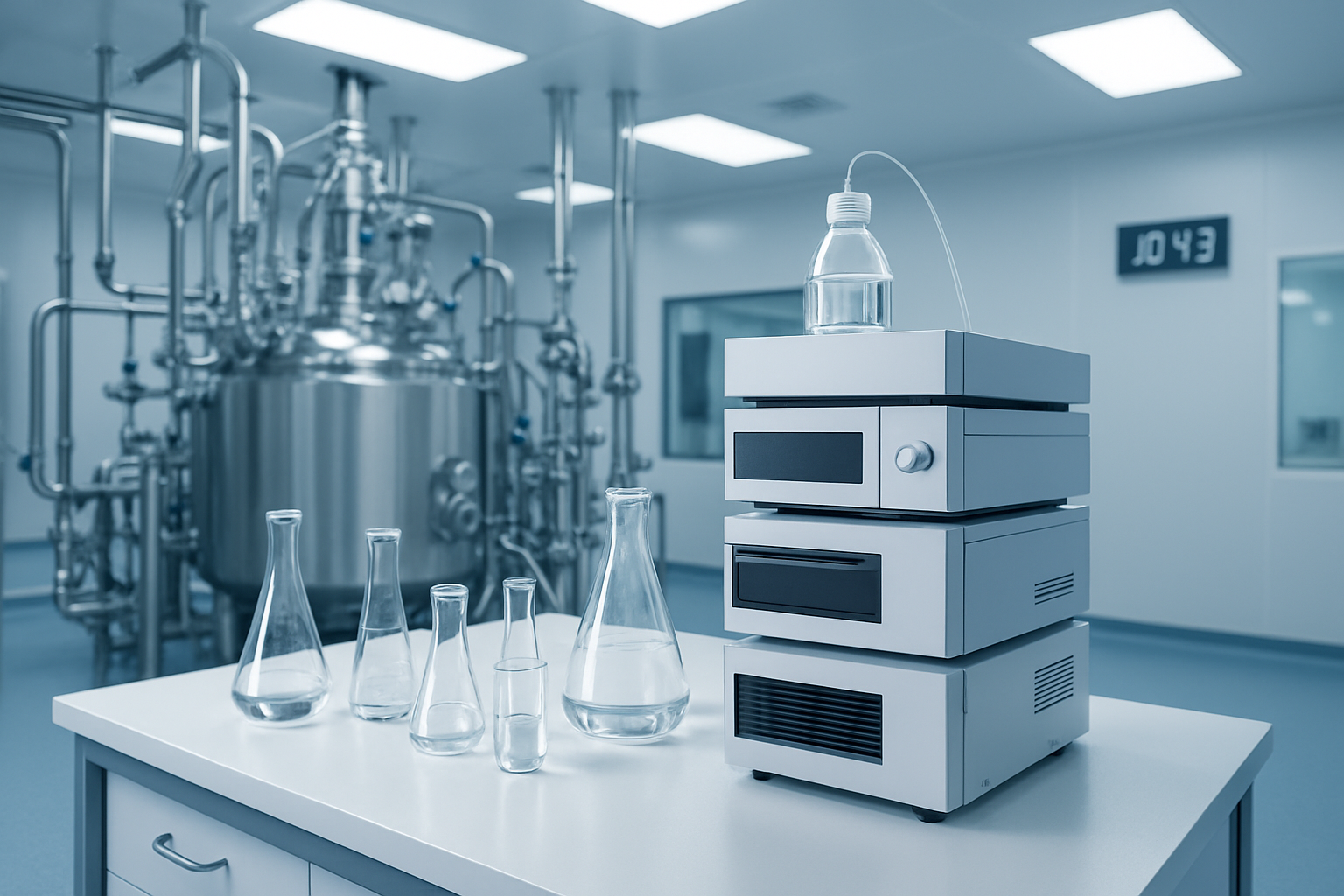
Dirty hold time studies assess the maximum duration manufacturing equipment can remain uncleaned, evaluating residue removability and associated risks. These studies require careful methodology, sampling, and analysis to ensure effective cleaning validation in pharmaceutical production.
Dirty hold time studies play a crucial role in cleaning validation, determining the maximum period manufacturing equipment can remain uncleaned following product use. This assessment helps evaluate whether residues can be effectively removed while identifying any associated risks, including chemical and microbiological hazards. The dirty hold time is defined as the interval from the completion of manufacturing until the initiation of cleaning, differentiating it from clean hold time, which pertains to the period post-cleaning before the equipment is reused. This distinction is vital in pharmaceutical production, where residues may undergo changes that affect their removability.
Importance of Evidence for Dirty Hold Time
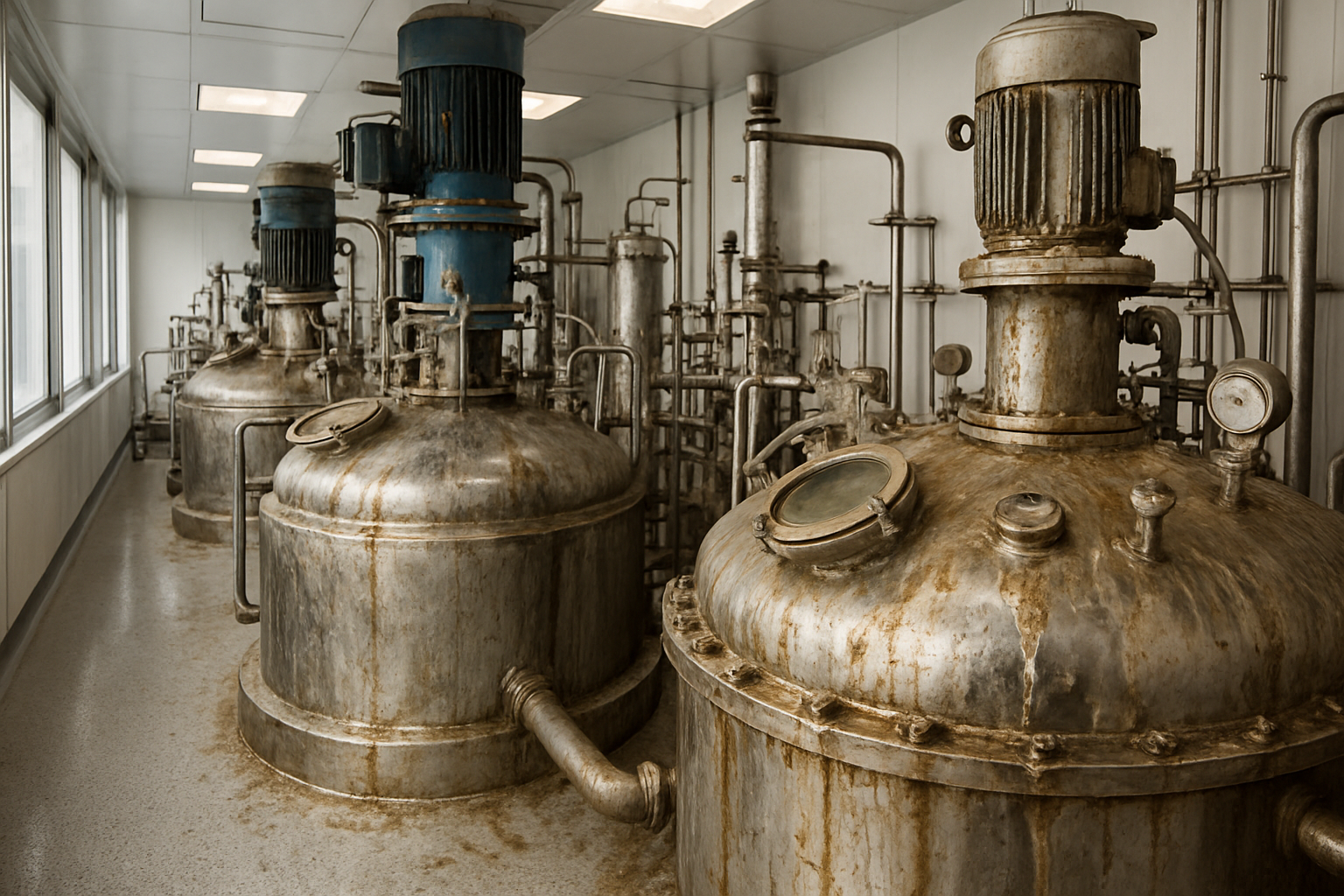
The characteristics of residues can shift depending on factors such as duration and environmental conditions. For instance, residues that are water-based may dry on contact surfaces, while oily or sticky substances may adhere more tenaciously to equipment. Notably, residues can become increasingly challenging to remove due to prolonged exposure to air or temperature variations. Furthermore, moisture on equipment with residues can foster microbial growth under suitable conditions. This concern is particularly significant for products sensitive to microorganisms or those involving water in their processes. Regulatory guidelines, such as the EU GMP Annex 15 and FDA recommendations, emphasise the necessity of managing the time between the end of manufacturing and cleaning.
Crafting a Study Reflecting Routine Operations
Before commencing the study, it is essential to establish a methodology that outlines the objectives, the equipment involved, the product or residue in question, storage conditions, sampling strategy, testing methods, acceptance criteria, and designated responsibilities.
Choosing the Appropriate Product and Equipment
The selected product must present a significant cleaning challenge regarding factors like solubility, strength, and the potential for residual retention. The choice of equipment should not be based solely on ease of cleaning; rather, it must include hard-to-clean areas such as vessel outlets and transfer lines. If a group of products or equipment is utilised, rationale must be provided to justify the selection scientifically.
Establishing Holding Conditions and Duration
Protocols should clearly articulate how the dirty holding period is initiated, the predetermined duration, and the criteria dictating when equipment remains uncleaned. Factors such as temperature, humidity, and configuration should influence this decision. Each situation is unique, and a universal dirty hold time cannot be established. The time frame should reflect realistic operational delays.
Sampling Protocols and Testing After the Hold Duration
Loading flowchart…
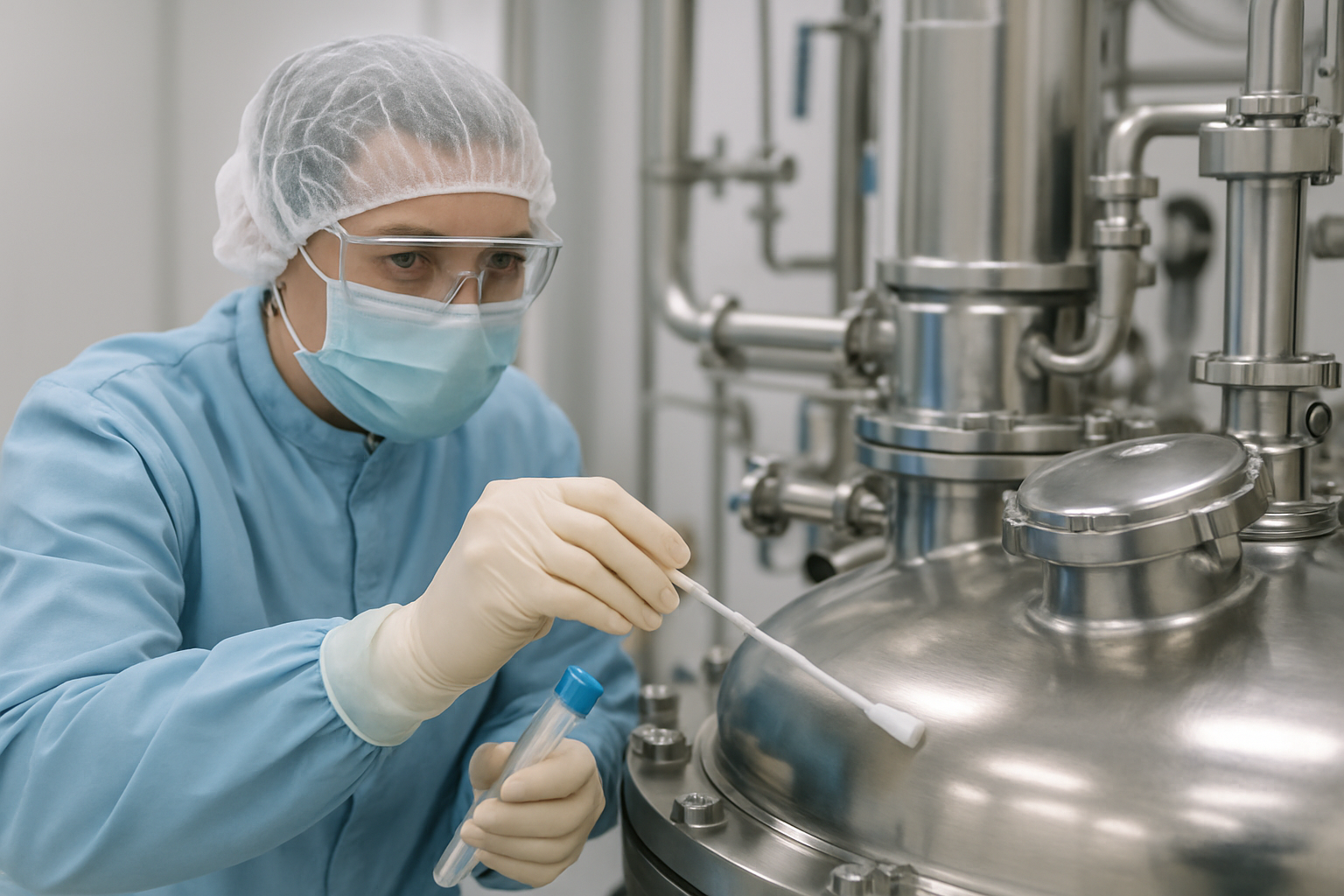
Testing should be conducted following the designated dirty hold period and before cleaning commences. The objective is to evaluate the state of residues to ascertain the continued effectiveness of the cleaning method. Surface sampling through swabbing is effective for areas where residues may adhere, while rinse sampling may be suitable for larger surfaces. The sampling technique must align with the equipment design and study goals. Analytical methods should be capable of detecting residues at specified acceptance limits, and recovery studies must confirm the efficacy of sampling and analytical processes.
Defining Acceptance Criteria and Analyzing Outcomes
Acceptance criteria must be scientifically derived and linked to the study's objectives, reflecting the cleaning validation plan. Chemical residue limits should consider product safety and microbiological criteria must be relevant to the specific investigation. The effectiveness of the cleaning process in eliminating residues must be assessed based on the outcomes of the study rather than solely on visual inspection or random residue analysis. If any sample fails to meet the established criteria, the study's validity is compromised, necessitating a thorough investigation and documentation of any deviations or unexpected results.
Verification Responsibilities for QA and Validation Teams
Prior to approving the study report, QA and validation teams must confirm compliance with the approved methodology and ensure that evidence supports the proposed dirty hold time. Key aspects for review include the justification of the product and equipment, documentation of holding conditions, thorough evaluation of sampling equipment, and interpretation of results. All findings, including failures, must be meticulously analysed, and any deviations should be documented and assessed regarding their impact on the study's conclusions.
Implementing and Sustaining Approved Hold Times
Once validated, the dirty hold time must be incorporated into standard operating procedures. These should inform personnel of the necessary protocols for documenting delays and determining when the dirty hold time has been exceeded. Any instances of exceeding the established limit must be evaluated through the site's deviation management or quality assurance processes. Equipment must not be reinstated for use without a thorough assessment and appropriate controls. Changes in product, cleaning agents, equipment, or process conditions must be carefully considered as they may affect residue removal. Regular performance checks and monitoring of cleaning effectiveness can help maintain the relevance of the established dirty hold time. The validity of dirty hold time studies is underpinned by robust evidence, proper sampling, and analysis methods, alongside clear acceptance criteria. The approved limits should be integrated into operational procedures and monitored as part of the comprehensive pharmaceutical quality system.
Comments (0)
Loading comments…
Checking sign-in status…