
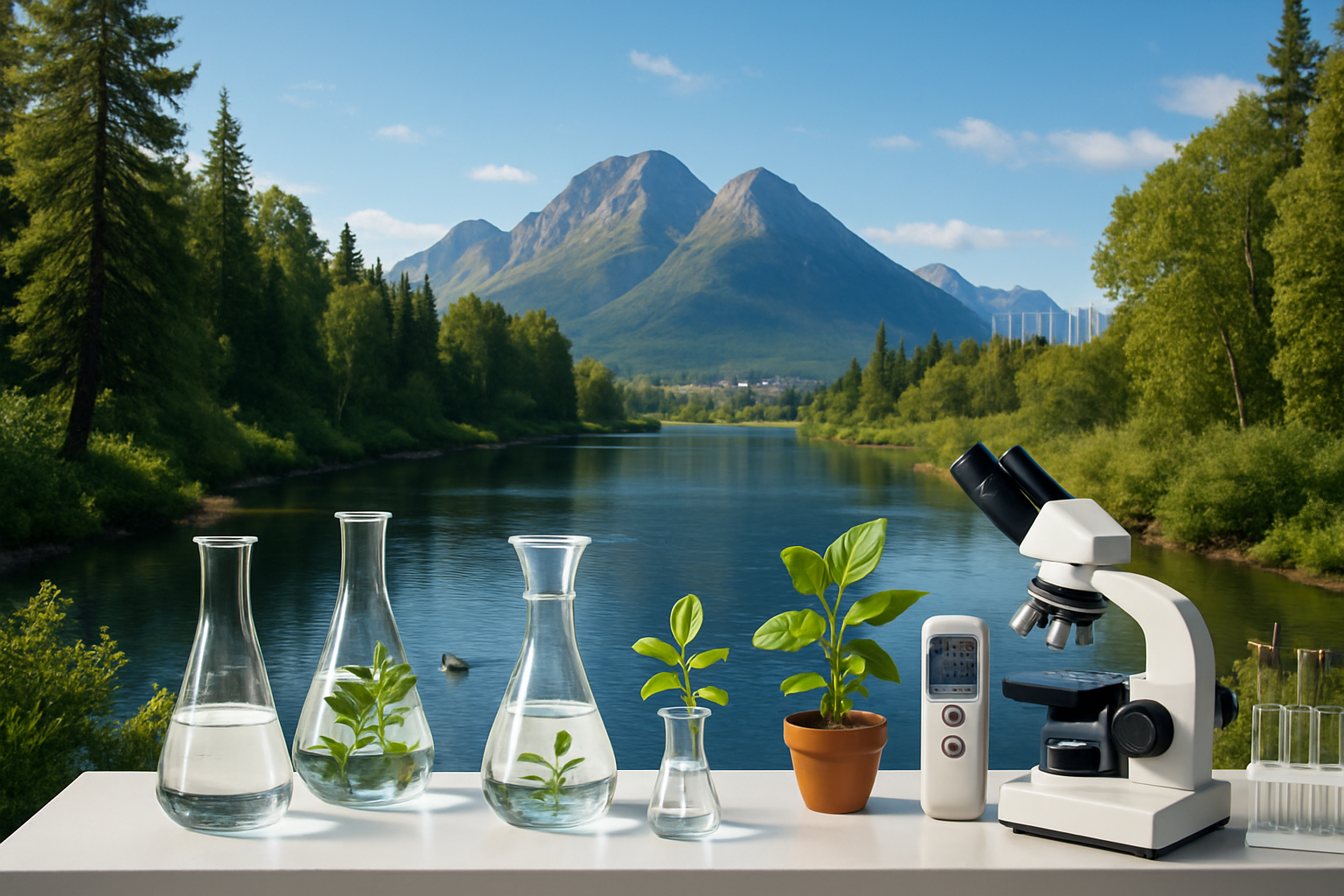
Environmental studies examine the interactions between organisms and their surroundings, integrating various disciplines to address sustainability and resource management. The article highlights the importance of protecting natural resources like water, air, and soil, while discussing the challenges posed by pollution and waste.
Environmental studies encompass a broad examination of the interactions between organisms and their surroundings. This field integrates various disciplines to promote a deeper understanding of nature and the effects of human activity on it. The focus lies in developing practical solutions for sustainable living within the constraints of the planet's resources.
Examination of Environmental Studies

When we observe our environment, it becomes clear that it has evolved from natural landscapes—deserts, forests, mountains, and rivers—into the modified settings we inhabit today. Urban areas rely on resources sourced from these natural landscapes, such as water, agricultural products, and fuel. This connection highlights how our daily existence is intertwined with the environment, affecting and being affected by it.
Water is vital for life, and so are the air we breathe and the food we consume. The intricate web of life, which includes plants and animals, is essential for our survival. Protecting the environmental systems is crucial for maintaining our quality of life. Traditional societies often hold a reverence for nature, viewing it as a life-giving force. For instance, Indian culture has historically emphasised respect for nature, with traditions rooted in these values. The edicts of ancient leaders, such as Emperor Ashoka, underscore the importance of life and well-being.
Significance of Environmental Studies
The environment is a multifaceted concept, encompassing various subjects like social studies, economics, biology, and geography. Environmental studies draw from these fields to address the complexities of resource management and sustainability. Our dependence on natural resources—such as water, air, soil, minerals, and agricultural products—underscores the need for responsible stewardship. With a growing population and increasing consumption, the strain on these finite resources intensifies.
Resource misuse exacerbates the challenges we face. For instance, significant quantities of water are wasted or polluted, while plastic waste continues to rise dramatically. The food waste problem is equally alarming, with large amounts discarded as refuse. Manufacturing activities contribute to solid waste generation, chemical pollution, and air contamination. Nature struggles to cope with these escalating waste levels, leading to serious health implications, including various diseases linked to pollution.
Natural Resources and Their Classification

Natural resources are those elements that exist in nature without human intervention and can provide utility based on socio-economic conditions. Examples include air, water, soil, plants, and fossil fuels. These resources are vital for human existence, serving as food, building materials, and energy sources.
Natural resources can be categorised into two main types:
- Renewable resources: These are resources that are replenished naturally and can be used repeatedly, such as sunlight and wind.
- Non-renewable resources: These resources exist in limited quantities and may deplete over time, such as fossil fuels and minerals.
Among the critical natural resources, five stand out:
- Forests: Essential for biodiversity and clean air, forests face threats from urbanisation and industrialisation.
- Air: The atmosphere is crucial for the survival of all life forms, making the reduction of air pollution a vital goal.
- Soil: Composed of organic and inorganic materials, soil is fundamental for agricultural productivity.
- Iron: An important metal derived from silica, iron is used in various applications, including construction and transportation.
- Water: While covering 70% of the Earth's surface, only 2% of water is fresh and suitable for consumption, necessitating responsible usage and conservation efforts.
Comments (0)
Loading comments…
Checking sign-in status…