

Essential medications, defined by the WHO, address critical healthcare needs and are selected based on safety, efficacy, and cost. The article also discusses various drug administration methods, including local and systemic routes, highlighting their advantages and challenges.
The landscape of pharmaceuticals includes a vast array of medications, yet not all are deemed essential for the general population. The World Health Organization (WHO) established the concept of essential medications in 1977 to address this issue. Essential drugs are those that fulfil the most critical healthcare needs of a population. Their selection is based on public health relevance, proven safety and efficacy, and cost-effectiveness.
Essential medications should be consistently available in appropriate dosage forms, of guaranteed quality, and accompanied by sufficient information, all at a price accessible to individuals and communities within functional health systems. The flexibility of this concept allows for adaptations based on local healthcare requirements, with governments determining which medications are classified as essential.
The original list of essential medications, released in 1977, included 208 drugs aimed at addressing global health challenges at that time. This list undergoes revisions by a panel of impartial experts every two years to incorporate emerging health concerns, advancements in medicine, and evolving patterns of microbial resistance. By 2007, WHO had noted that 156 out of 193 member countries had established formal essential drug lists, with 127 updating their lists in the preceding five to ten years. The 2007 update featured 340 essential medications, addressing conditions such as malaria, HIV/AIDS, tuberculosis, reproductive health, and chronic diseases like cancer and diabetes. Notably, this update also introduced a specific category for 'Essential Medicines for Children,' which is similarly revised every two years. The 19th model list was published in 2015, with the 20th revision currently in progress.
Methods for Administering Medications

Loading flowchart…
The choice of drug administration route is influenced by multiple factors, including the characteristics of the drug, urgency of use, site of action (local or systemic), patient age, and the effects of stomach pH, digestive enzymes, and first-pass metabolism. Patient and healthcare provider preferences also play a role.
Local Administration Techniques
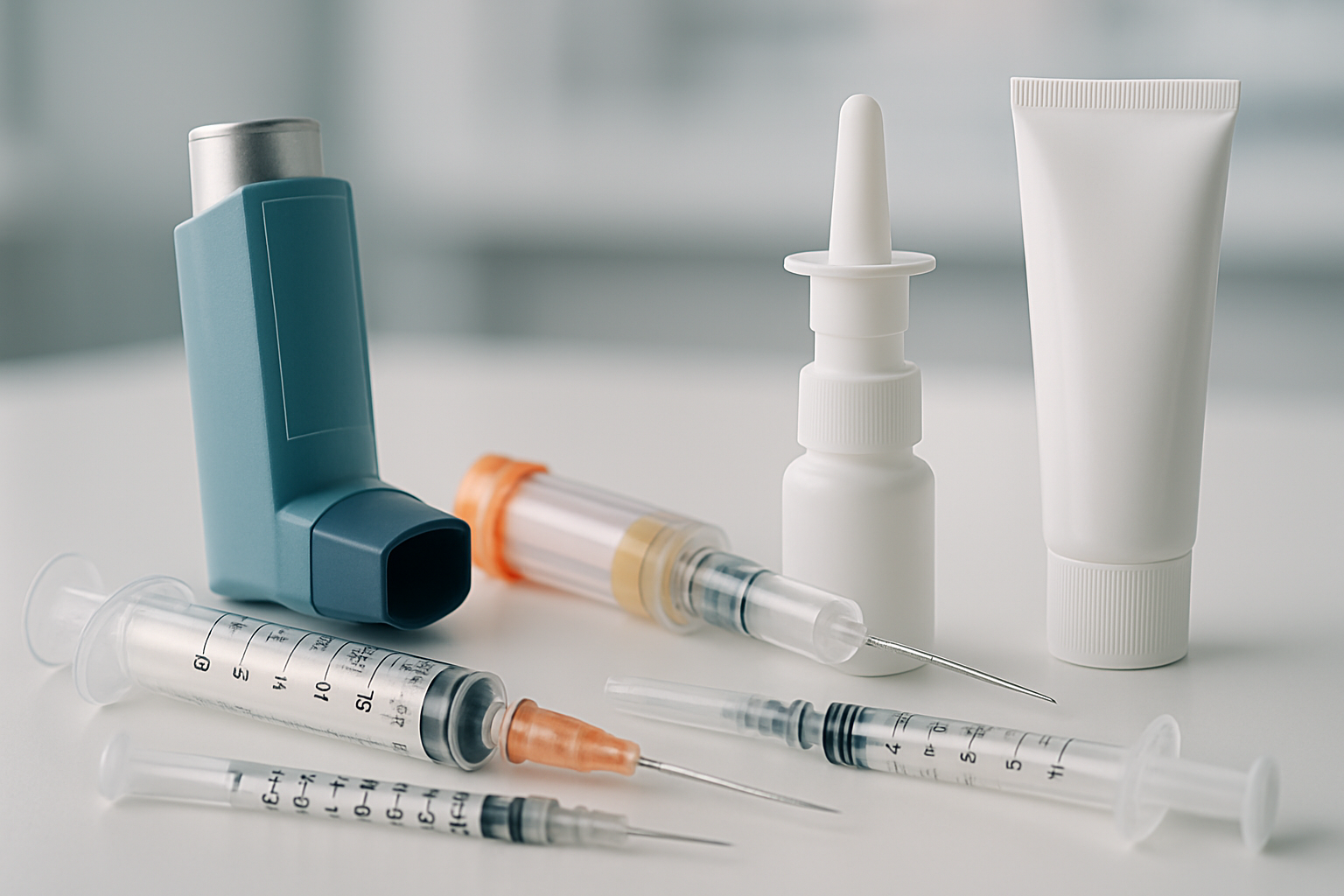
Local routes of administration allow for drug delivery directly to the area requiring treatment, minimising systemic side effects. Several methods are employed:
- Topical Application: Medications are applied directly to the skin or mucous membranes. For example, neomycin can be administered as a non-absorbed pill to prepare the gut for surgery.
- Rectal Administration: Drugs can be delivered via enema or suppository. An example is a soap water enema for bowel evacuation or bisacodyl suppositories used for similar purposes.
- Inhalation: Medications such as salbutamol are inhaled for respiratory conditions. This route offers rapid absorption due to the large surface area of the lungs.
- Transdermal Patches: These patches release medications over time, allowing for controlled systemic absorption.
Each of these methods has its advantages and disadvantages, including potential irritation and absorption variability.
Systemic Administration Techniques
Systemic routes are commonly used to achieve broader therapeutic effects throughout the body:
- Oral Route: This is the most widely accepted method, involving tablets, capsules, or syrups. While it is convenient and cost-effective, the first-pass effect can alter drug bioavailability.
- Buccal and Sublingual Routes: These allow for rapid absorption and avoid first-pass metabolism. However, they are not suitable for all drugs, particularly those with unpleasant tastes.
- Rectal Route: Similar to local administration but can also provide systemic effects, particularly useful in cases of vomiting.
- Parenteral Route: This includes intravenous (IV), subcutaneous (SC), and intramuscular (IM) injections. IV administration offers immediate bioavailability and is crucial in emergencies, while SC and IM routes provide longer-lasting effects.
Each route has its specific advantages, such as rapid onset of action or avoidance of first-pass metabolism, but they also present challenges, including the need for aseptic techniques and potential for adverse effects.
Considerations and Precautions
When selecting a route for drug administration, healthcare professionals must consider the urgency of treatment, patient condition, and potential side effects. Aseptic conditions are paramount for parenteral routes to prevent infections, while the choice of oral versus injectable routes may depend on the patient's ability to cooperate or tolerate the medication. Understanding these factors is essential for effective pharmacotherapy.
Summary of Administration Routes
| Route | Advantages | Disadvantages |
|---|---|---|
| Oral | Convenient, safe, and self-administered | First-pass metabolism, variable absorption |
| Buccal/Sublingual | Rapid action, avoids first-pass metabolism | Limited to certain drugs, not suitable for unconscious patients |
| Rectal | Useful for unconscious patients, less first-pass effect | Inconvenient, absorption variability |
| Intravenous | Immediate effect, 100% bioavailability | Requires aseptic technique, cannot be self-administered |
| Subcutaneous | Long-lasting effects, avoids first-pass metabolism | Limited to non-irritant drugs, risk of infection |
| Intramuscular | Rapid absorption, suitable for irritant drugs | Pain and discomfort, requires professional administration |
Understanding the various routes of drug administration and their implications is crucial for optimising patient care and ensuring effective treatment outcomes.
Comments (0)
Loading comments…
Checking sign-in status…