

Metals are essential in pharmaceutical applications, with ferrous metals like cast iron and carbon alloy steel offering strength and cost-effectiveness, while non-ferrous metals like aluminum and copper provide corrosion resistance and lightweight options. Understanding their properties aids in selecting suitable materials for equipment and structures.
Metals play a crucial role in various pharmaceutical applications, especially in equipment and structural design. Both ferrous and non-ferrous metals have unique properties that make them suitable for specific uses in the industry.
Ferrous Materials
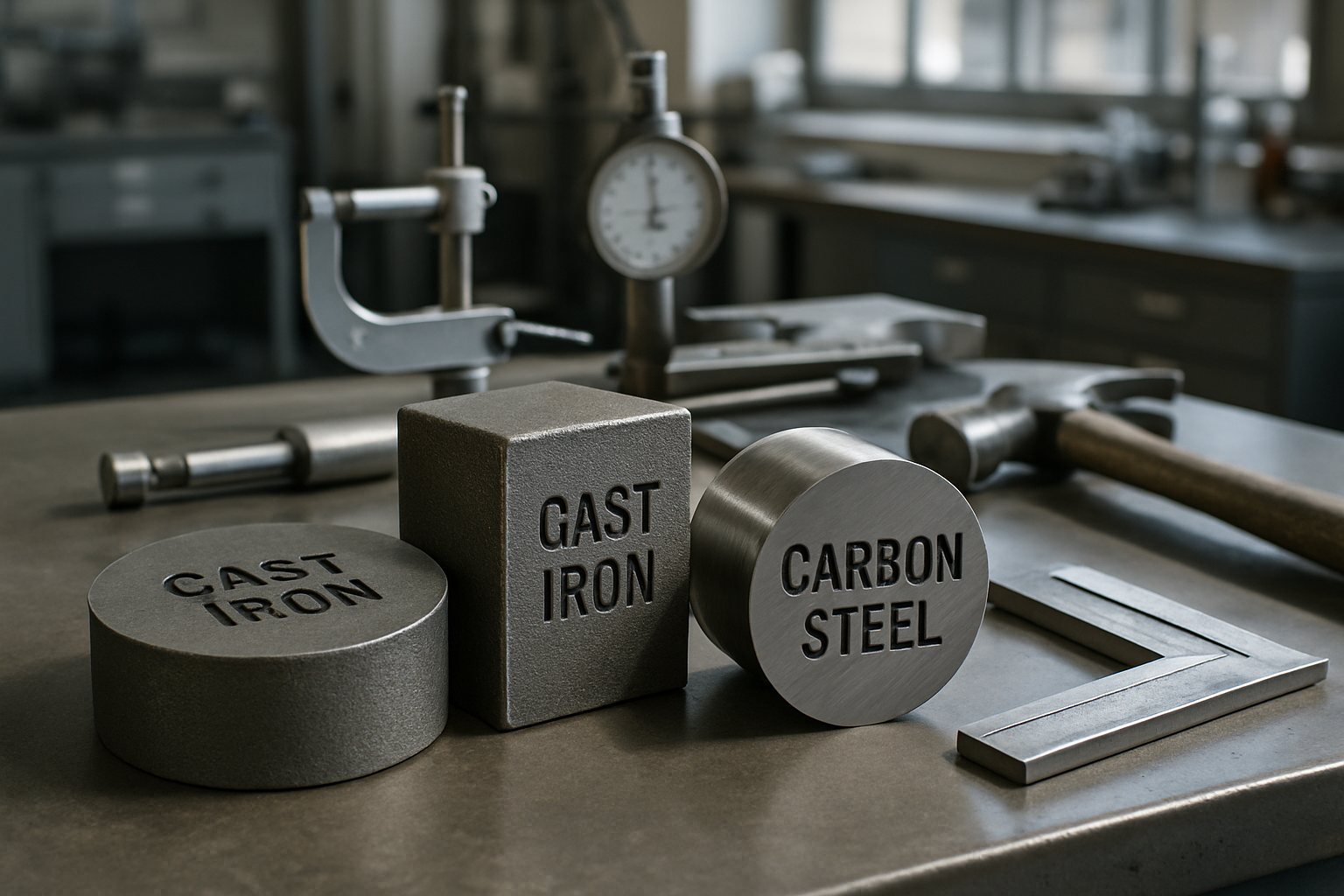
Ferrous metals are primarily composed of iron, offering mechanical strength and economic viability, which makes them popular in construction and manufacturing.
Types of Cast Iron
Cast iron is an iron-carbon alloy with a carbon content exceeding 2%. This material is widely appreciated for its low cost and availability. It exhibits resistance to concentrated sulfuric acid and nitric acid, though its thermal efficiency is limited. While cast iron is hard and brittle, different types such as grey cast iron, which contains silicon, manganese, and selenium, can be shaped easily. Grey cast iron offers corrosion resistance, but it does not protect against diluted acids. White cast iron, with a carbon content of approximately 2.5%, is another variation with distinct properties. Nickel-resistant cast iron is notable for its toughness and ease of welding, making it a versatile option for various applications.
Carbon Alloy Steel
This type of steel contains a low percentage of carbon, making it an affordable and adaptable choice among industrial metals. It is easy to weld and has excellent ductility but offers limited resistance to corrosion, particularly when exposed to caustic substances. The typical composition includes about 0.4% carbon, 0.7% manganese, 1.85% nickel, 0.8% chromium, and 0.25% molybdenum. The properties of carbon steel can be modified through alloying with elements like nickel and chromium, enhancing its toughness and resistance to corrosion. Applications include the fabrication of pipes, plates, and large storage tanks for various substances.
Types of Stainless Steel
Stainless steel is an iron alloy recognised for its impressive resistance to heat and corrosion. It typically contains between 12% and 30% chromium and varying amounts of nickel and other elements. The characteristics of stainless steel vary by type:
- Martensitic (Type 410): Contains up to 20% chromium, with a carbon content ranging from 0.2% to 4%. While it is mildly resistant to corrosion, it is less ductile and used for components like sinks and storage tanks.
- Alpha-Ferritic (Type 430): This type has a chromium content of 15% to 30% and is highly resistant to corrosion and oxidation, making it suitable for high-temperature applications.
- Austenitic: Comprising 13% to 20% chromium and 0.1% to 0.2% carbon, this type is known for its excellent corrosion resistance and ease of welding, commonly found in storage vessels and evaporators.
- Other Variants: Types 316, 316L, and 317 are particularly corrosion-resistant, especially with a molybdenum content of 2.5% to 3.5%.
Non-Ferrous Materials
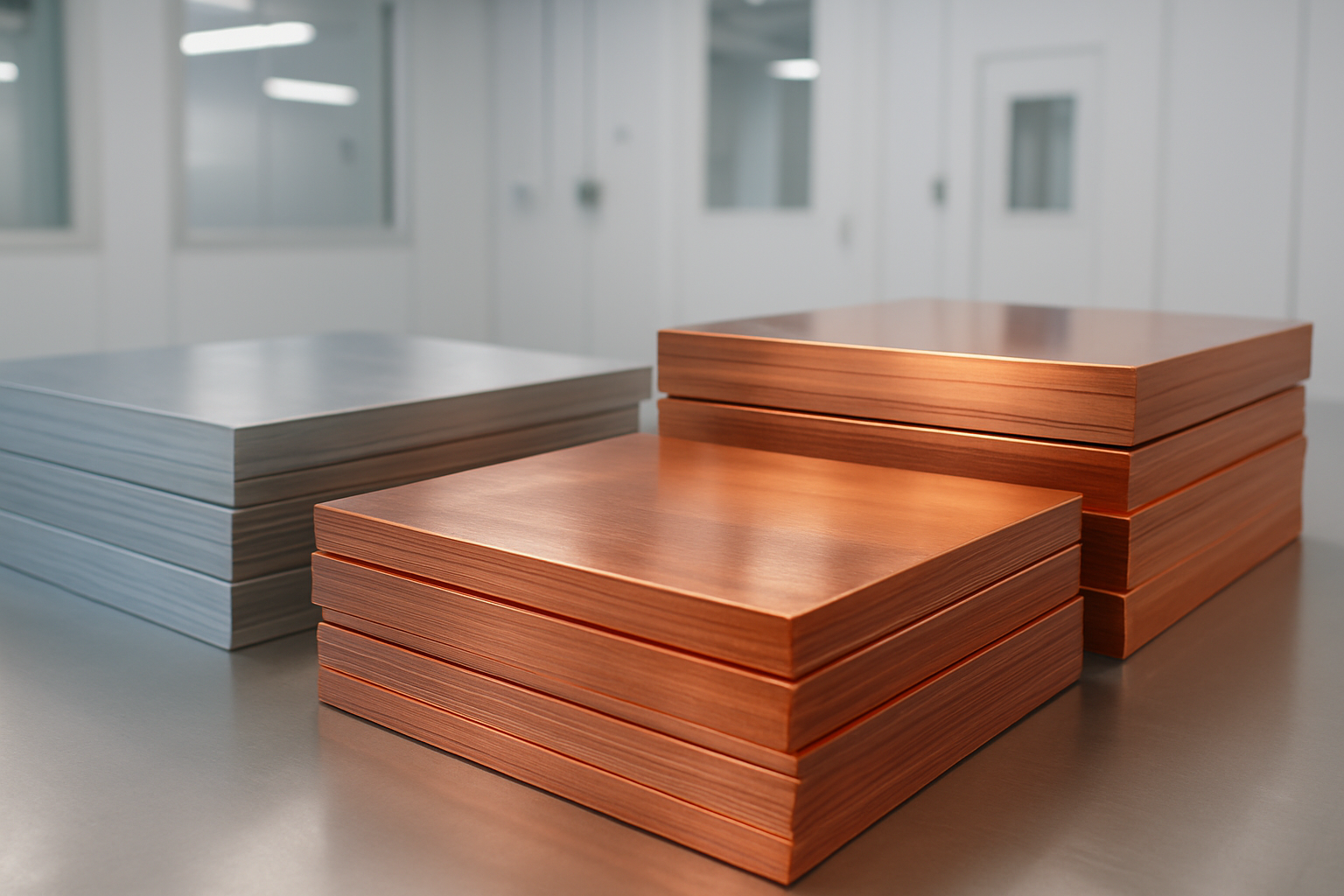
Non-ferrous metals do not contain iron and are preferred in applications where corrosion resistance, weight, and conductivity are crucial.
Characteristics of Aluminium
Aluminium is a lightweight, cost-effective metal known for its mechanical strength and ease of maintenance. It has a tensile strength of approximately 10,000 lbs/square inch and retains its properties against corrosion. However, its mechanical strength diminishes at temperatures above 150°C. Various aluminium alloys exist, with super-grade aluminium being suitable for food and pharmaceutical applications, including storage containers.
Properties of Lead
Lead is a less commonly used material in the pharmaceutical sector due to its toxicity in larger quantities. Nevertheless, it remains inexpensive and is typically employed in non-consumable products. Lead's structural integrity can be enhanced by adding elements such as silver and copper, though its low melting point poses challenges. Lead pipes are often utilized for transporting sulfuric acid solutions.
Additional Non-Ferrous Options
Copper and its alloys are valued for their high temperature resistance, making them suitable for chemical processing. Nickel alloys are particularly effective for storing alkalis and high-purity caustic soda due to their superior corrosion resistance. Titanium is another option, known for its strength and resistance to various chemicals, although it is more costly than other materials.
Conclusion
Both ferrous and non-ferrous metals have distinct properties that influence their applications in the pharmaceutical industry. Understanding these materials enhances decision-making regarding equipment and structural choices.
[[TABLE_1]]
Comments (0)
Loading comments…
Checking sign-in status…