
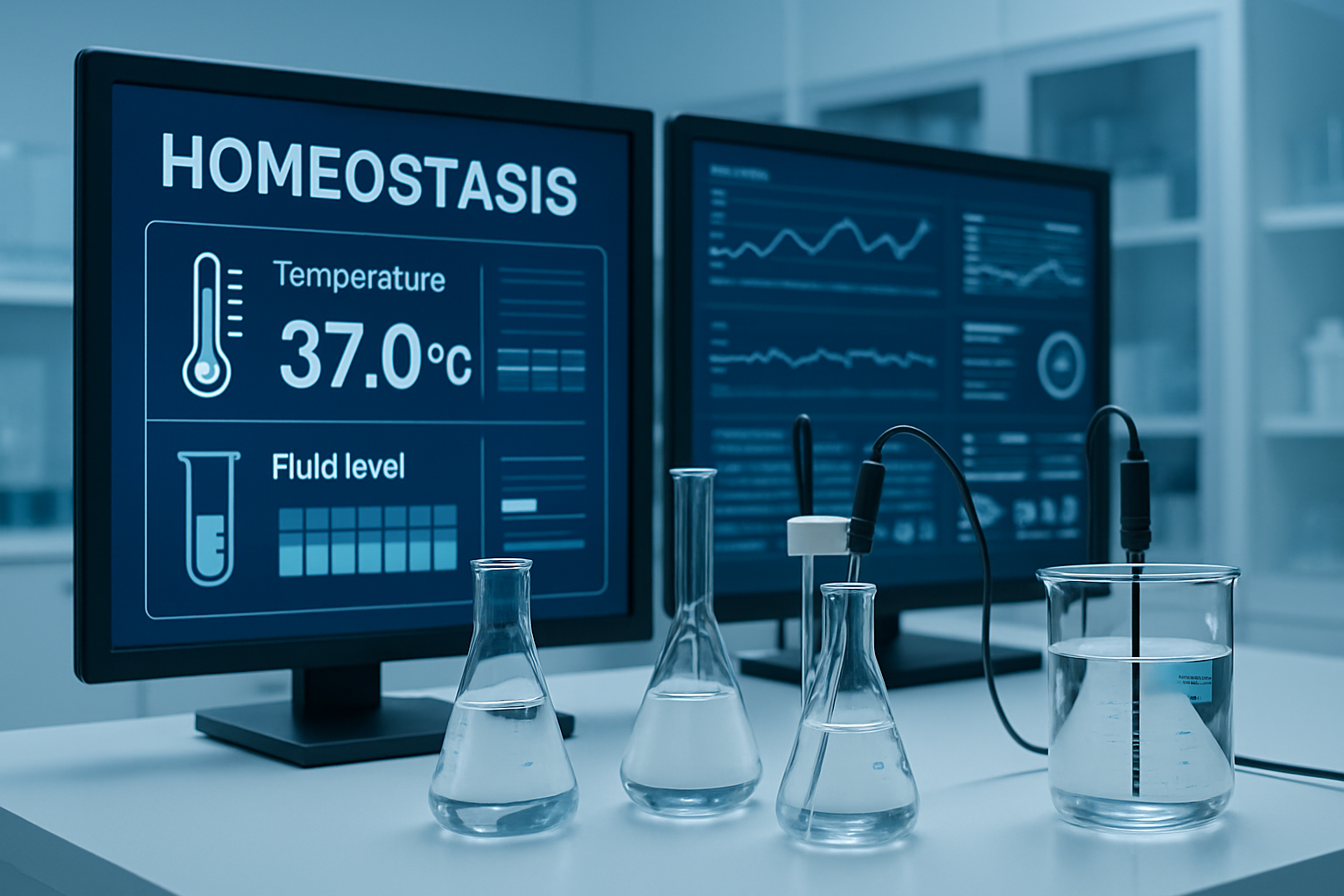
Homeostasis maintains stable internal conditions in the body through feedback mechanisms. It involves sensors, control centers, and effectors to regulate factors like temperature and fluid levels, using both negative and positive feedback systems.
Homeostasis is a fundamental concept in biology that describes the body's ability to maintain stable internal conditions despite external fluctuations. This equilibrium is crucial for optimal functioning, influencing various physiological parameters such as temperature, pH levels, and electrolyte concentrations. Understanding how homeostasis operates through feedback systems is essential in fields like pharmaceutical quality assurance and control.
Defining Homeostasis
Homeostasis refers to the regulation of internal conditions within a defined range, known as the homeostatic range. This includes the balance of various factors such as body temperature, fluid levels, and concentrations of ions like sodium and potassium. The body employs homeostatic mechanisms to adjust these variables in response to environmental changes, dietary intake, and physical activity.
Key Components of Homeostatic Regulation
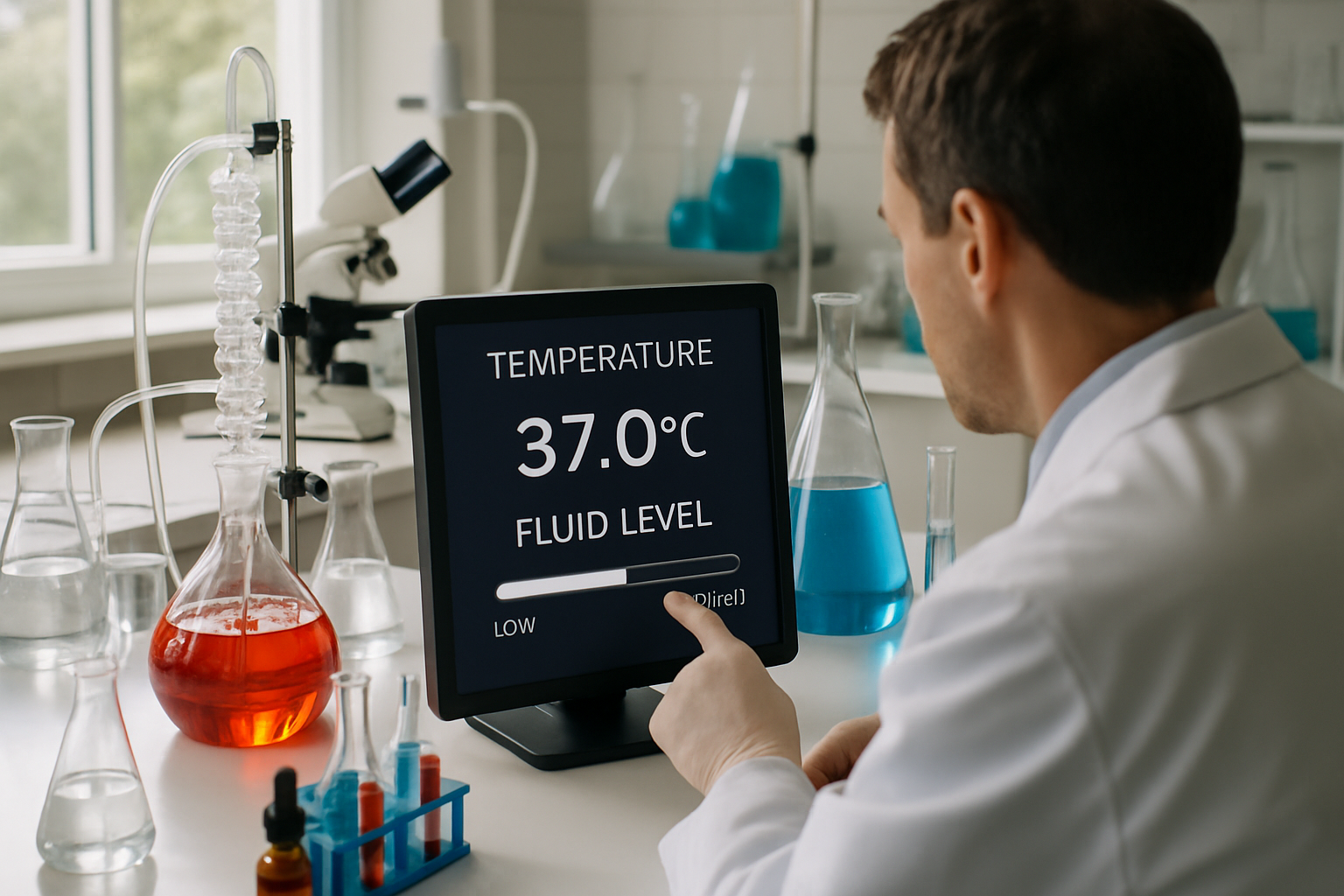
The homeostatic system functions through a cyclical process involving four main components:
- Sensor: Detects deviations from the norm.
- Control Center: Receives and processes information from the sensor.
- Effectors: Carry out corrective actions to restore balance.
- Correction Factor: The mechanism that rectifies the deviation.
These components work together to ensure that internal conditions remain stable, allowing the organism to function effectively.
Feedback Mechanisms in Homeostasis
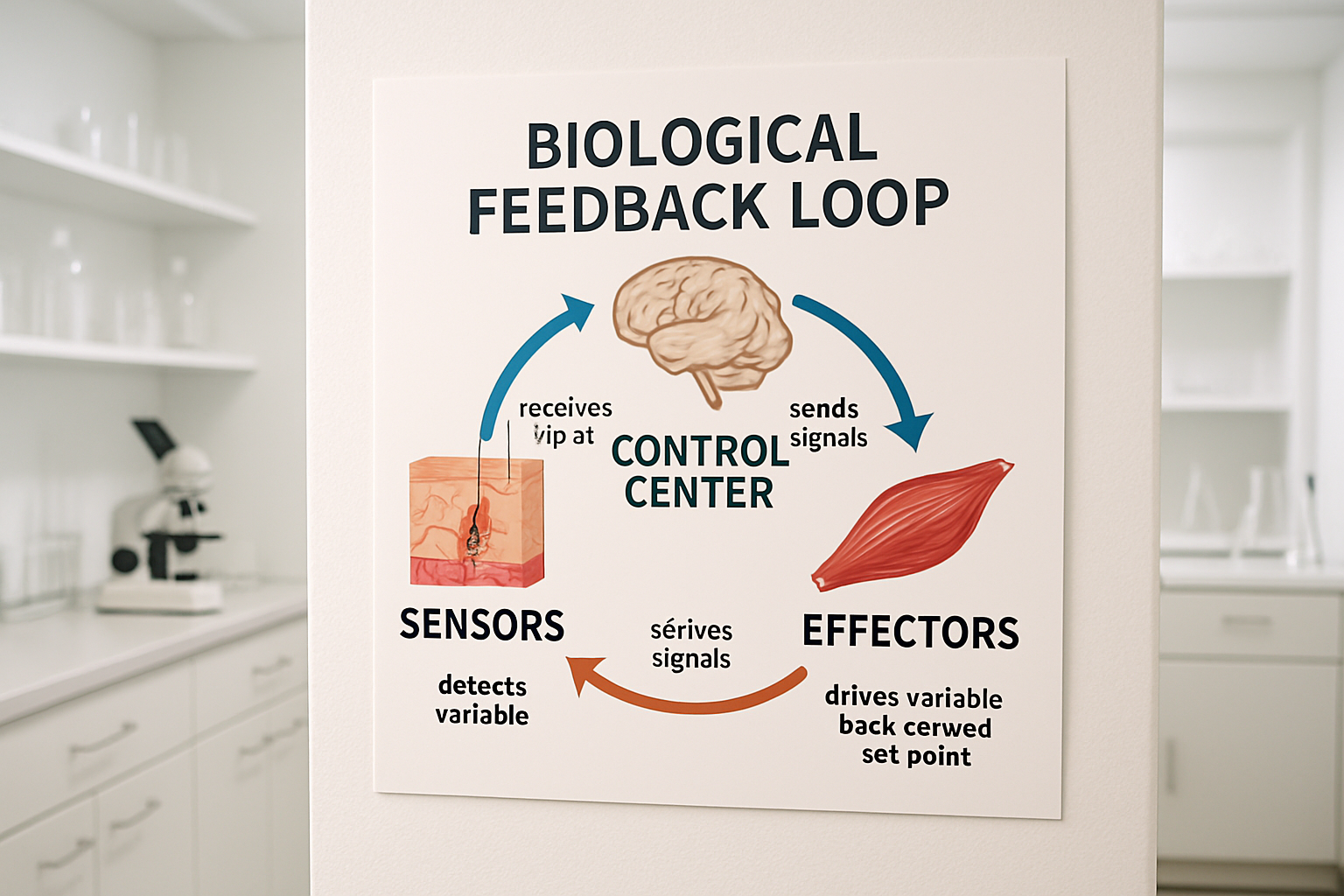
Feedback systems are critical in maintaining homeostasis, as they determine how the body responds to changes in its internal environment. There are two primary types of feedback mechanisms: negative feedback and positive feedback.
Negative Feedback Mechanisms
Negative feedback serves to counteract changes in the system, helping to stabilise internal conditions. When a deviation is detected, signals are sent from the effectors back to the system to reverse the change. For example, the regulation of thyroxine levels illustrates this process. When thyroid-stimulating hormone (TSH) is released, it stimulates the thyroid gland to produce thyroxine. As thyroxine levels rise, they inhibit further TSH production, thus regulating the hormone's concentration effectively. Another example is the maintenance of water balance in the body, which similarly relies on negative feedback to adjust fluid levels.
Positive Feedback Mechanisms
In contrast, positive feedback amplifies changes in the same direction, often leading to a significant outcome. This mechanism is less common but plays crucial roles during critical physiological events. For instance, during blood clotting, an initial injury triggers a cascade of events where thrombin production accelerates the formation of fibrin, enhancing the clotting process. Positive feedback is also evident during parturition, where oxytocin release intensifies uterine contractions, facilitating childbirth.
Both negative and positive feedback mechanisms are essential for the body to respond appropriately to internal and external stimuli, maintaining homeostasis and ensuring survival.
Comments (0)
Loading comments…
Checking sign-in status…