
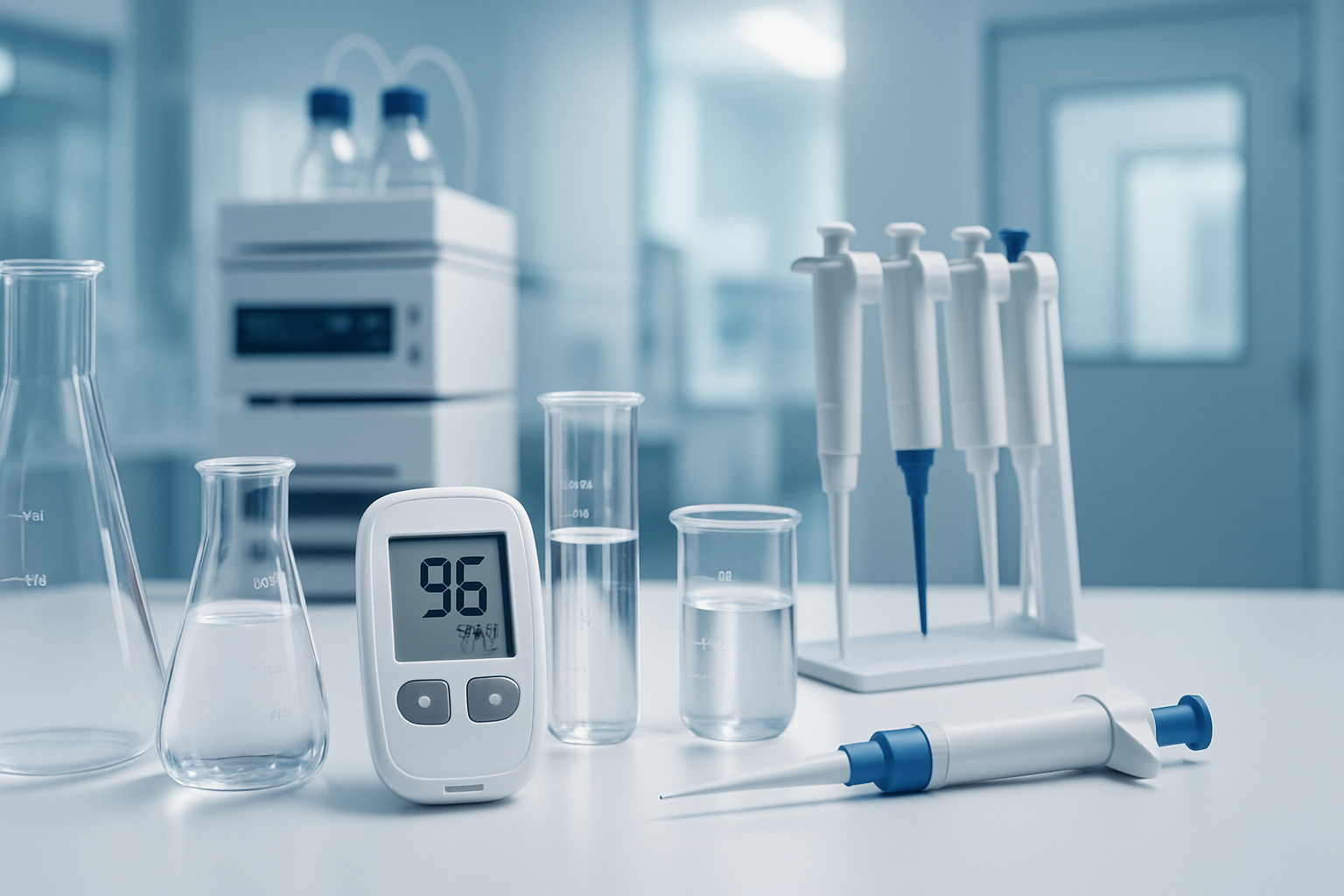
Stable blood glucose levels are essential for health, especially in diabetes management. The pancreas regulates glucose through hormones like insulin and glucagon, which work together to maintain balance.
Maintaining stable blood glucose levels is crucial for overall health, particularly in the context of diabetes management. The body employs a complex hormonal system to regulate glucose, ensuring that levels remain within the optimal range of 60 to 140 mg/dL. Deviations from this range can lead to serious health issues, including hypoglycemia, which starves cells, and hyperglycemia, which can be toxic.
Mechanisms of Blood Glucose Regulation

The regulation of blood glucose involves a delicate interplay of hormones produced by the pancreas, intestines, and other organs. The pancreas plays a central role through its endocrine functions, primarily using insulin and glucagon to control glucose levels. Insulin decreases blood glucose, while glucagon increases it, maintaining homeostasis through a feedback mechanism.
Pancreatic Hormones and Their Functions

The pancreas secretes several hormones that are critical to glucose regulation:
- Insulin: Produced by beta cells, insulin facilitates the uptake of glucose by cells, particularly in the liver and adipose tissue, and promotes glycogen synthesis.
- Glucagon: Secreted by alpha cells, glucagon stimulates glucose release from the liver, counteracting the effects of insulin.
- Somatostatin: Produced by delta cells, this hormone regulates the release of both insulin and glucagon, ensuring a balance between the two.
- Amylin: Co-secreted with insulin, amylin enhances satiety and slows gastric emptying, which helps in managing postprandial blood sugar spikes.
Insulin's Role in Glucose Metabolism
Insulin is pivotal in carbohydrate metabolism. Following a meal, rising blood glucose levels stimulate insulin secretion. Insulin promotes glucose uptake in insulin-sensitive tissues, converting glucose into glycogen for storage in the liver. In a healthy liver, glycogen can occupy about 10% of its volume, with a smaller amount stored in muscle cells. When blood glucose levels drop, insulin secretion decreases, leading to a reduction in glycogen synthesis.
Glucagon's Function in Blood Sugar Control
Conversely, glucagon serves to elevate blood glucose levels when they fall. It initiates glycogenolysis, the breakdown of glycogen into glucose, and stimulates gluconeogenesis, the production of glucose from non-carbohydrate sources. The secretion of glucagon increases when glucose levels are low, effectively counterbalancing insulin's actions.
Implications of Blood Glucose Imbalances
Both hyperglycemia and hypoglycemia can have acute and chronic consequences. Acute hyperglycemia, defined as blood glucose levels exceeding 300 mg/dL, can lead to dehydration and polyuria. On the other hand, severe hypoglycemia, particularly when blood glucose levels surpass 500 mg/dL, can result in confusion, cerebral edema, and even death.
Chronic elevations in blood glucose, averaging 120 to 130 mg/dL, can damage body tissues and increase susceptibility to infections. The viscosity of high glucose levels can impair oxygen delivery to cells, causing further complications.
Conclusion on Hormonal Regulation and Diabetes
Understanding the roles of insulin and glucagon is essential for effective diabetes management. Clinicians often employ base-bolus insulin regimens to mimic the body's natural hormonal responses. Such knowledge is vital for developing strategies that promote euglycemia, thereby reducing the risk of complications associated with diabetes.
Comments (0)
Loading comments…
Checking sign-in status…