

Inflammatory bowel diseases (IBD) and liver conditions like jaundice and hepatitis significantly impact the gastrointestinal system. Understanding their symptoms and causes is essential for diagnosis and management.
The gastrointestinal system can be significantly affected by inflammatory bowel diseases (IBD) and various liver conditions, including jaundice and hepatitis. Understanding the symptoms and causes of these diseases is crucial for timely diagnosis and management.
Overview of Inflammatory Bowel Diseases

IBD is characterised by chronic inflammation in the digestive tract, primarily manifesting as two main conditions: ulcerative colitis and Crohn’s disease. Ulcerative colitis leads to inflammation and the formation of ulcers in the colon and rectum, while Crohn’s disease can affect any part of the digestive tract and often penetrates deeper layers of the intestinal lining.
Common Symptoms
Patients with IBD may experience:
- Frequent diarrhoea
- Abdominal pain and cramping
- Unintended weight loss
- Fatigue
- Reduced appetite
- Blood in stool
Symptoms may fluctuate, with periods of activity followed by remission.
Potential Causes
The exact origin of IBD remains unclear, although it is thought to involve a mix of genetic predispositions, dietary influences, and possibly immune system irregularities. A dysfunctional immune response may lead the body to target its own digestive cells. While IBD is seen more frequently among individuals with a family history of the condition, many affected individuals do not have such a background.
Insights into Jaundice
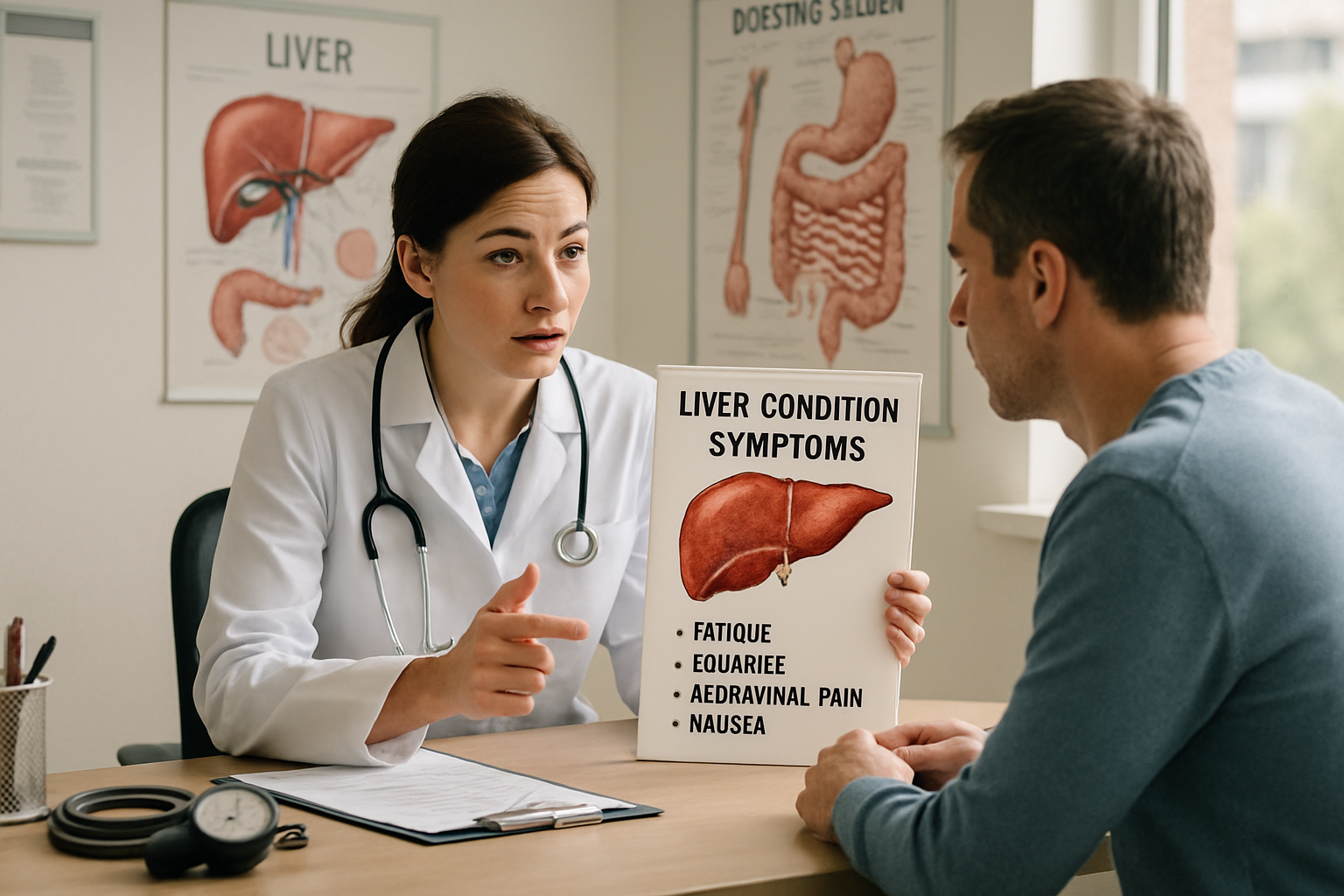
Jaundice presents when the levels of bilirubin in the bloodstream become elevated, leading to a yellowish discolouration of the skin and the sclera of the eyes. This condition often indicates underlying health issues related to liver function or bile duct health.
Causes of Jaundice
The yellow tint arises from bilirubin, a by-product formed during the breakdown of red blood cells. When the body fails to process bilirubin effectively, it accumulates. Several factors may contribute to jaundice, including liver dysfunction.
Recognising Symptoms
Symptoms associated with jaundice typically include:
- Yellowing of skin and eyes
- Itching
- Pale stools
- Dark urine
- Abdominal pain and discomfort
- Fatigue
- Weight loss
Understanding Hepatitis
Hepatitis refers to inflammation of the liver, which can arise from various causes, including viral infections, excessive alcohol consumption, and certain medications. The condition can be acute or chronic, depending on the duration and nature of the underlying cause.
Overview: hepatitis A
This form occurs due to infection with the hepatitis A virus (HAV) and is typically acute.
Overview: hepatitis B
Caused by the hepatitis B virus (HBV), this type can lead to chronic infections that may result in severe liver damage over an extended period.
Overview: hepatitis C
The hepatitis C virus (HCV) is prevalent in bloodborne infections and often results in chronic liver disease.
Overview: hepatitis D
This type requires co-infection with hepatitis B for its manifestation and can exacerbate liver inflammation.
Overview: hepatitis E
The hepatitis E virus (HEV) is typically transmitted via contaminated water and is significant in regions with inadequate sanitation, often affecting pregnant women acutely.
Overview: hepatitis F
Discovered in 1994, this form arises from viral transmission through food or water.
Causes of Hepatitis
Aside from viral factors, hepatitis can also be induced by alcohol, drug-induced effects, or autoimmune responses wherein the body's immune system attacks liver tissue.
Symptoms of Hepatitis
Signs of hepatitis may include:
- Fatigue
- Pale stools
- Loss of appetite
- Dark urine
- Flu-like manifestations
- Yellowing of skin and eyes
- Abdominal pain
- Unexplained weight loss
Alcohol-Related Liver Disease
Alcoholic liver disease, commonly referred to as alcoholic hepatitis, results from prolonged excessive alcohol consumption leading to inflammation of the liver. This condition can affect both heavy and moderate drinkers.
Symptoms of Alcoholic Hepatitis
Common symptoms include jaundice, fever, and significant fatigue. Additionally, patients may experience:
- Abdominal tenderness
- Loss of appetite
- Nausea and vomiting
In severe cases, complications such as ascites and renal impairment may occur. The mechanisms by which alcohol impacts liver health are not entirely understood, though chronic consumption is known to produce toxic metabolites causing cellular damage and inflammation.
Comments (0)
Loading comments…
Checking sign-in status…