
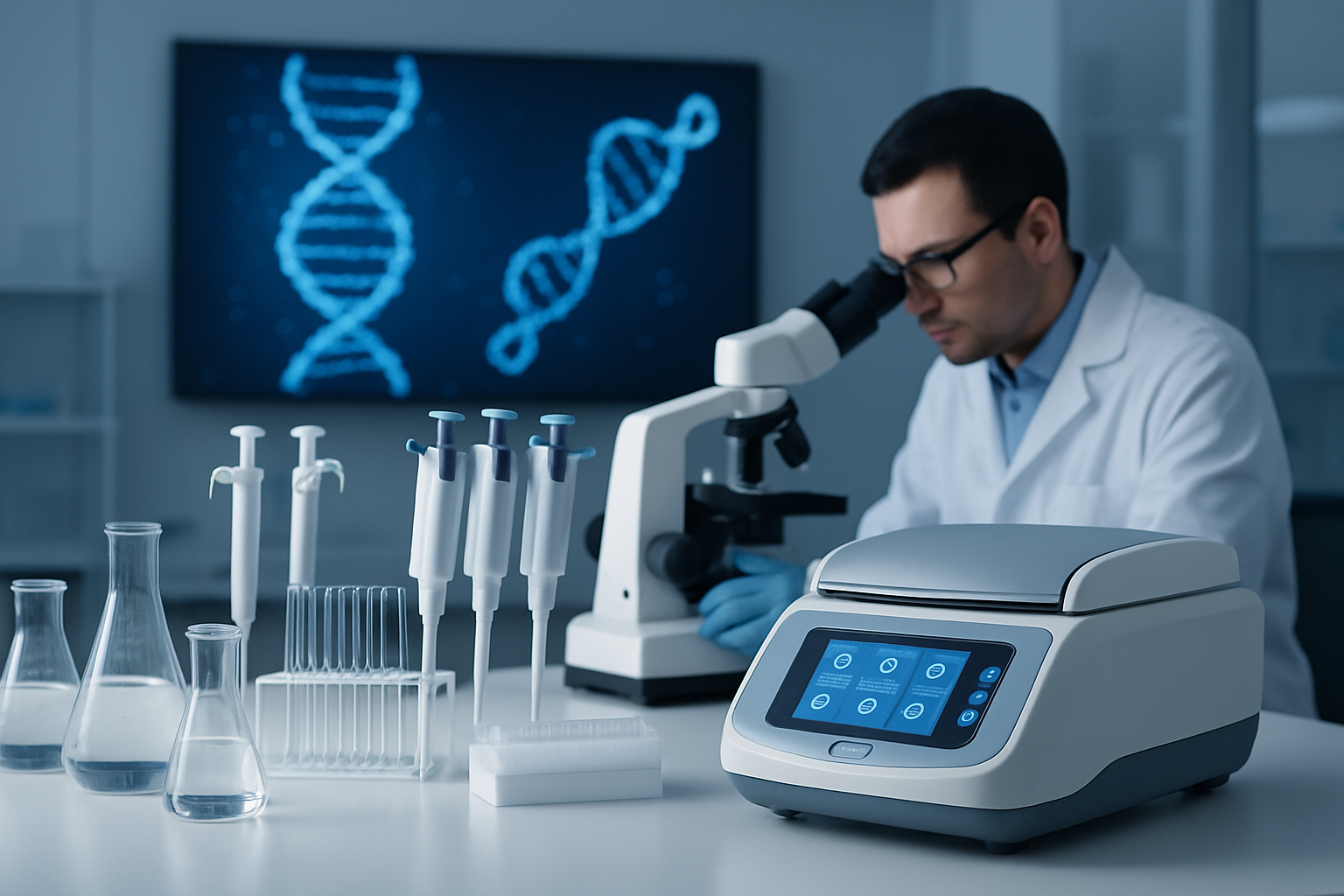
Nucleic acids, including DNA and RNA, are essential for encoding genetic information and synthesizing proteins. They play critical roles in cellular processes such as replication, repair, and transcription, ensuring genetic integrity and diversity.
Nucleic acids are fundamental macromolecules critical for the survival of all known life forms. These biopolymers, specifically DNA and RNA, play pivotal roles in encoding genetic information and synthesising proteins necessary for cellular functions.
Overview of Nucleic Acids
Deoxyribonucleic acid (DNA) is a type of nucleic acid present in all organisms and viruses, encoding the instructions required for protein production. Ribonucleic acid (RNA), while also a nucleic acid, exists in various forms and is integral to the protein synthesis process.
Metabolism of Nucleic Acids
The metabolism of nucleic acids involves several processes crucial for maintaining genetic integrity, primarily focused on DNA. These processes include replication, repair, and recombination, each serving a unique function in preserving and diversifying genetic information.
Processes Involved in DNA Metabolism
DNA must be accurately duplicated to preserve the integrity of genetic information. Any errors during replication need to be corrected to avoid mutations. Additionally, recombination across genomes contributes to genetic diversity and aids in DNA repair.
Mechanics of DNA Duplication
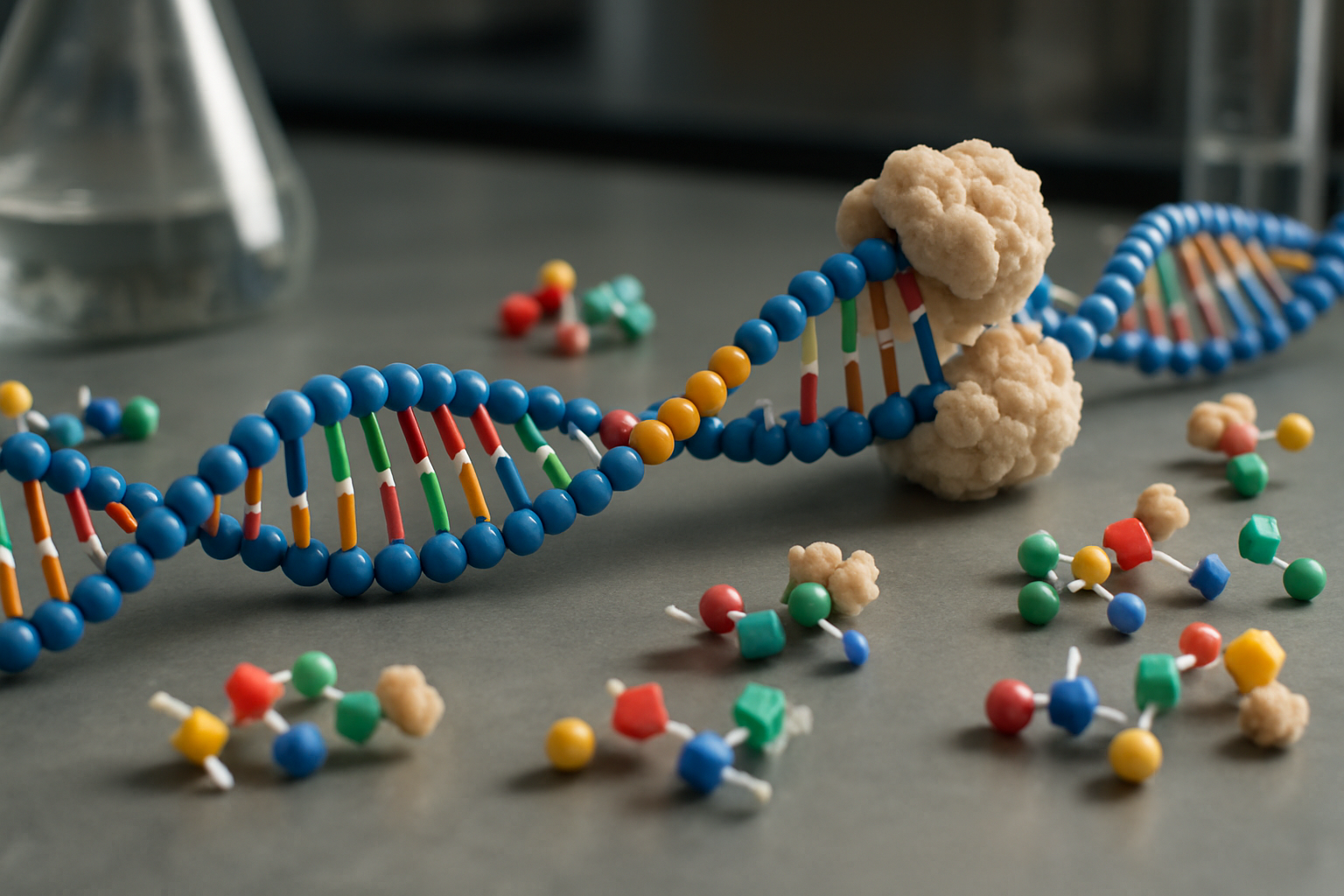
DNA replication follows a semiconservative model. In this process, the two strands of the DNA helix separate, allowing for the formation of two identical copies. Each new strand consists of one original strand and one newly synthesized strand. The replication process initiates at specific sites known as origins, progressing bi-directionally along the DNA.
Recombination and Its Importance
Recombination is a vital mechanism for enhancing genetic diversity within populations. During meiosis, homologous chromosomes undergo pairing and exchange segments through a process known as crossing-over. This results in new chromosome combinations, contributing to genetic variation. There are two main forms of recombination: general recombination, which involves similar sequences, and site-specific recombination, often associated with the insertion of DNA segments by viruses and transposons.
DNA Repair Mechanisms
Maintaining DNA integrity is essential for cellular function and the accurate transmission of genetic information. To combat DNA damage, cells employ various repair mechanisms that continuously monitor and correct errors. Severe damages, such as pyrimidine dimers, can be repaired through recombination, while deficiencies in DNA repair systems, like mismatch repair, have been linked to increased cancer susceptibility.
RNA Metabolism
RNA serves as a conduit between the genetic information stored in DNA and the cellular machinery that translates this information into functional proteins. Various RNA molecules, including ribosomal RNA (rRNA), small nuclear RNA (snRNA), transfer RNA (tRNA), and messenger RNA (mRNA), play distinct roles in the protein synthesis process.
Transcription Process
Transcription is the initial step of RNA metabolism, where RNA polymerase synthesizes RNA from a DNA template. The process begins with the identification of a promoter region, marking the start of the gene. RNA polymerase then synthesizes RNA by incorporating ribonucleoside triphosphates, guided by the principles of complementary base pairing, resulting in single-stranded RNA molecules.
Translation Mechanism
Translation refers to the process of protein synthesis directed by the sequence of mRNA. This occurs on ribosomes, complex structures composed of rRNA and proteins. In prokaryotes, ribosomes can bind to mRNA while transcription is ongoing. Translation is concluded when the ribosome encounters one of the three stop codons, leading to the release of the newly synthesised protein and associated components, allowing the ribosome to engage in another round of translation.
Role of Nucleic Acids in Genetic Information Transfer
Both DNA and RNA function as long polymers that transmit genetic information across generations. These macromolecules consist of nucleotides, each containing a sugar, a phosphate group, and a nitrogenous base, forming the genetic code. Genes dictate protein synthesis indirectly through RNA molecules, which serve as intermediaries in the process. The genetic code links sequences of DNA or mRNA to specific amino acids, with tRNA fulfilling the role of adaptors during protein synthesis.
In eukaryotic organisms, genes are often composed of segments called introns and exons. While both are transcribed, mature RNA is formed by splicing out introns, leaving only exons, which influences protein coding and evolution.
Comments (0)
Loading comments…
Checking sign-in status…