
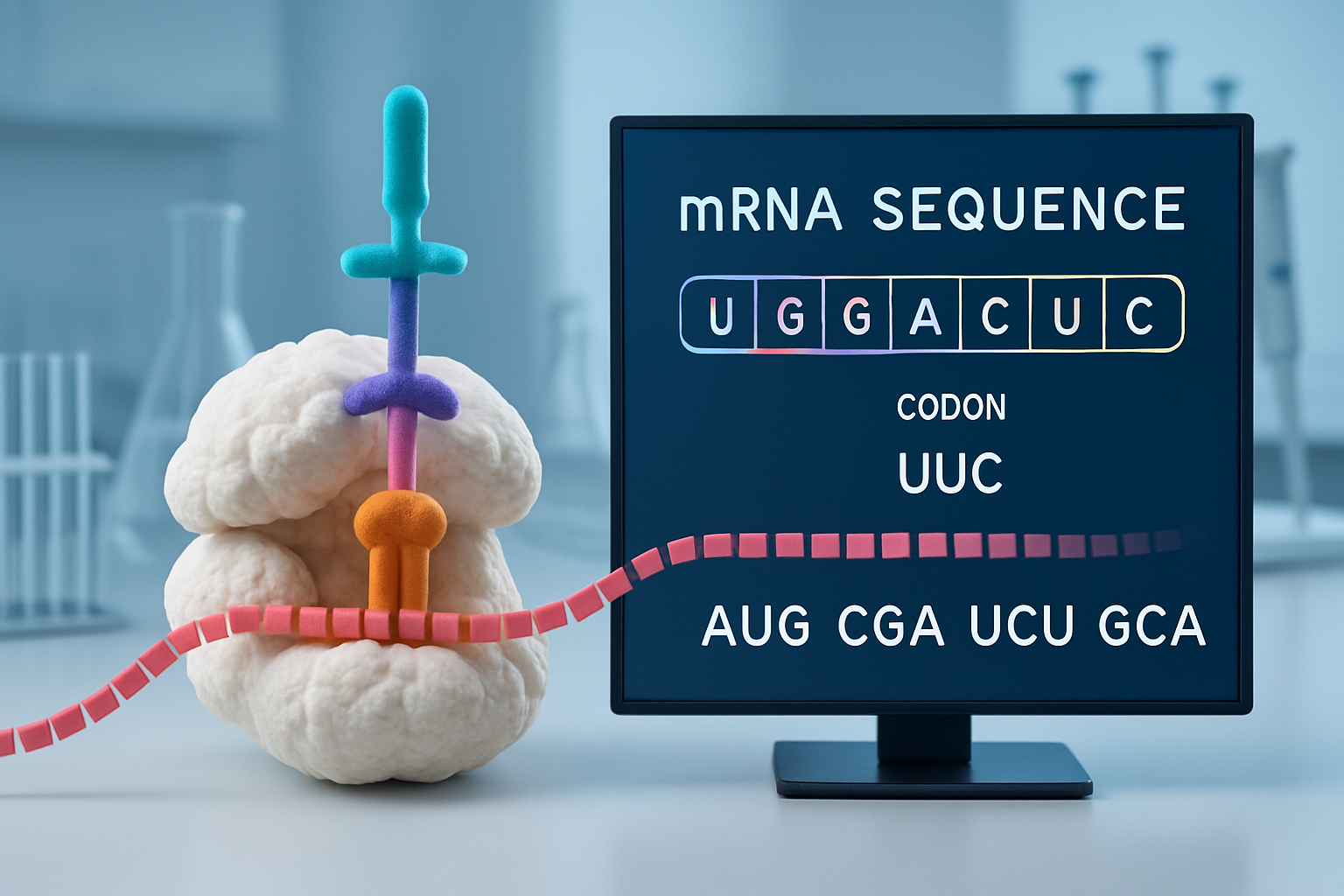
Protein synthesis translates genetic information into proteins through a process involving mRNA, ribosomes, and tRNAs. The article details the genetic code, translation phases, and various inhibitors that can disrupt this process.
Protein synthesis is a fundamental biological process wherein genetic information is translated into functional proteins. This intricate mechanism is governed by the genetic code, which dictates how sequences of nucleotides in messenger RNA (mRNA) correspond to specific amino acids in a protein.
Decoding the Genetic Information
The genetic code consists of triplet sequences known as codons, each made up of three nucleotides. In total, 64 codons exist, derived from the four nucleotides (adenine, cytosine, guanine, and uracil) arranged in various combinations. This redundancy allows for multiple codons to code for a single amino acid, a phenomenon referred to as genetic degeneracy. For instance, while there are 20 standard amino acids, the presence of 61 codons that specify amino acids allows for this overlap. The first two nucleotides in a codon are critical for determining the corresponding amino acid, while the third nucleotide, known as the wobble position, can vary without affecting the outcome.
Mechanisms of Translation
Translation, or protein synthesis, is a multi-step process that involves several key components including mRNA, ribosomes, and transfer RNAs (tRNAs). Ribosomes, which are complex structures composed of ribosomal RNA (rRNA) and proteins, serve as the site of translation. In prokaryotic organisms, the ribosome is referred to as 70S, while eukaryotic ribosomes are classified as 80S. Each ribosome consists of two subunits that come together during protein synthesis.
Ribosomal Structure and Function
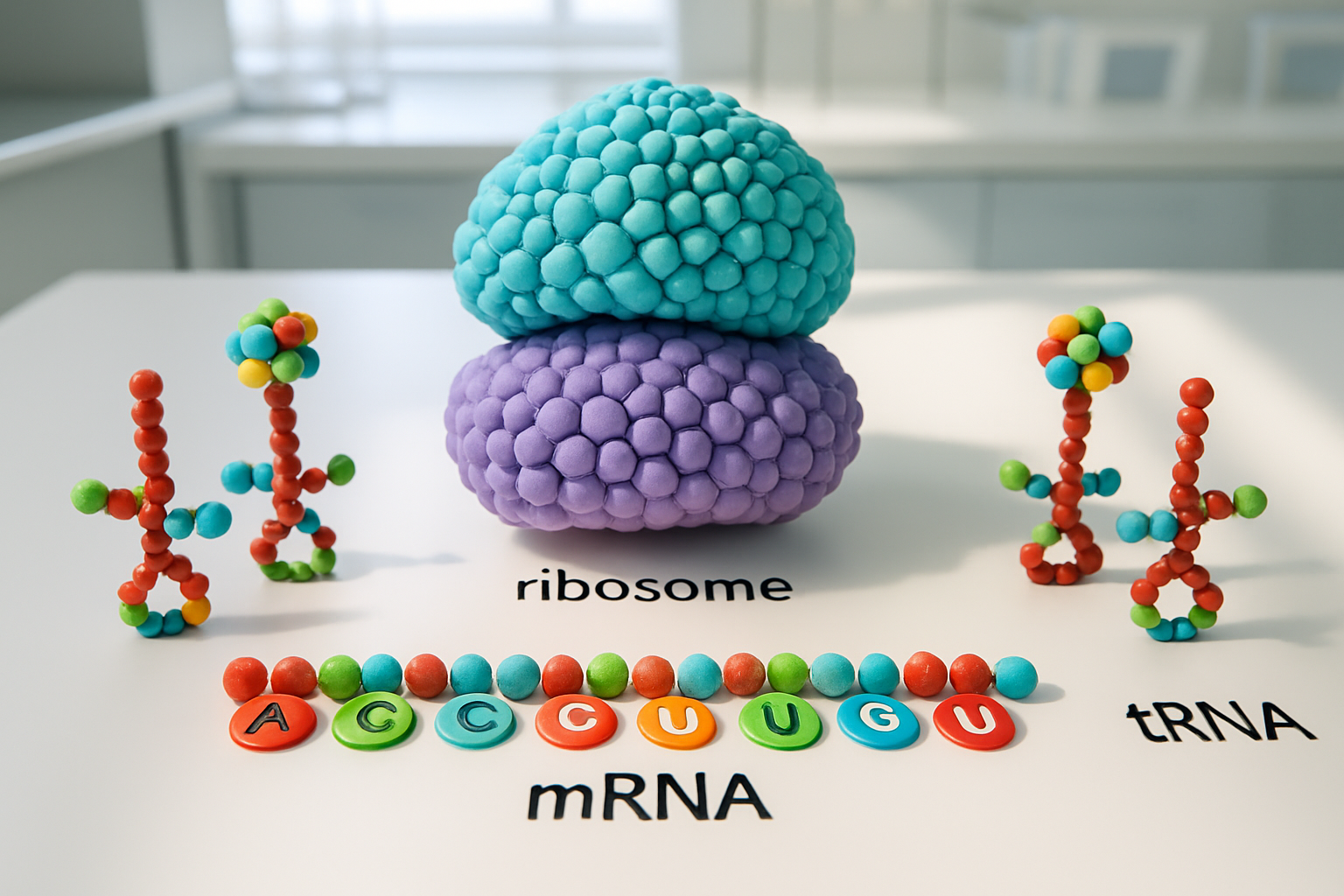
Ribosomes play a critical role in translating the mRNA sequence into a polypeptide chain. Each ribosome contains two subunits that facilitate the binding of mRNA and tRNAs. During translation, ribosomes move along the mRNA strand, synthesizing proteins from the N-terminus to the C-terminus. Multiple ribosomes can translate a single mRNA molecule simultaneously, forming structures known as polyribosomes.
Role of Transfer RNAs
Transfer RNAs are essential for decoding the mRNA sequence. Each tRNA molecule carries a specific amino acid corresponding to its anticodon, which matches the codon on the mRNA. The aminoacyl tRNA synthetases are enzymes responsible for attaching the correct amino acid to its respective tRNA, ensuring accurate translation of genetic information into proteins.
Initiation, Elongation, and Termination
Loading flowchart…
The translation process can be divided into three main phases: initiation, elongation, and termination. During initiation, the small ribosomal subunit binds to the mRNA, facilitated by initiation factors and the initiator tRNA carrying formyl-methionine in prokaryotes. In eukaryotes, the process begins at the 5' cap of the mRNA.
During elongation, tRNAs sequentially enter the ribosome's A site, transferring their amino acids to the growing polypeptide chain in the P site. This process involves the formation of peptide bonds, catalyzed by the ribosomal peptidyl transferase activity. The ribosome translocates along the mRNA, shifting the tRNAs from the A site to the P site and eventually to the E site, where they exit the ribosome.
Termination occurs when a stop codon is encountered, prompting the release of the newly synthesized polypeptide and the disassembly of the ribosomal subunits.
Inhibition of Protein Synthesis
Various inhibitors can disrupt the translation process, targeting different stages and components. These inhibitors can be classified based on their action on prokaryotic or eukaryotic ribosomes. For example, anisomycin inhibits peptidyl transferase activity in eukaryotes, while streptomycin affects the initiation phase in prokaryotes.
Types of Inhibitors
Inhibitors of protein synthesis include:
- Acting on eukaryotes: Cycloheximide, which inhibits ribosome translocation.
- Acting on prokaryotes: Erythromycin, which binds to the 23S rRNA subunit, impeding peptide chain elongation.
- Acting on both: Puromycin, which causes premature termination of polypeptide synthesis.
Each of these inhibitors has distinct mechanisms of action, highlighting the complexity of the translation process and the potential for therapeutic interventions.
Conclusion
Understanding the mechanisms of protein synthesis and the role of genetic code is essential for advancements in biotechnology and medicine. The ability to manipulate these processes can lead to significant developments in drug design and therapeutic strategies.
Comments (0)
Loading comments…
Checking sign-in status…