

Differentiating between renewable and non-renewable resources is crucial for energy production and sustainability. Renewable resources can be replenished naturally, while non-renewable resources are finite and deplete over time.
In the context of energy production and sustainability, it is essential to differentiate between renewable and non-renewable resources. This distinction influences environmental policies, energy strategies, and economic decisions in various industries, including pharmaceuticals.
Characteristics of Renewable Resources

Renewable resources are those that can be replenished naturally over time and can be used repeatedly without depletion. These resources include solar energy, wind energy, hydropower, geothermal energy, and biomass. Their continual availability makes them increasingly crucial as the global population expands and energy demands rise.
For instance, solar panels harness sunlight, while wind turbines capture wind energy, both contributing to a sustainable energy mix. Although these technologies are currently expensive to implement on a large scale, ongoing research aims to improve their efficiency and reduce costs. The importance of renewable resources lies not only in their sustainability but also in their ability to lessen reliance on non-renewable resources, which are finite.
Examples of Renewable Resources
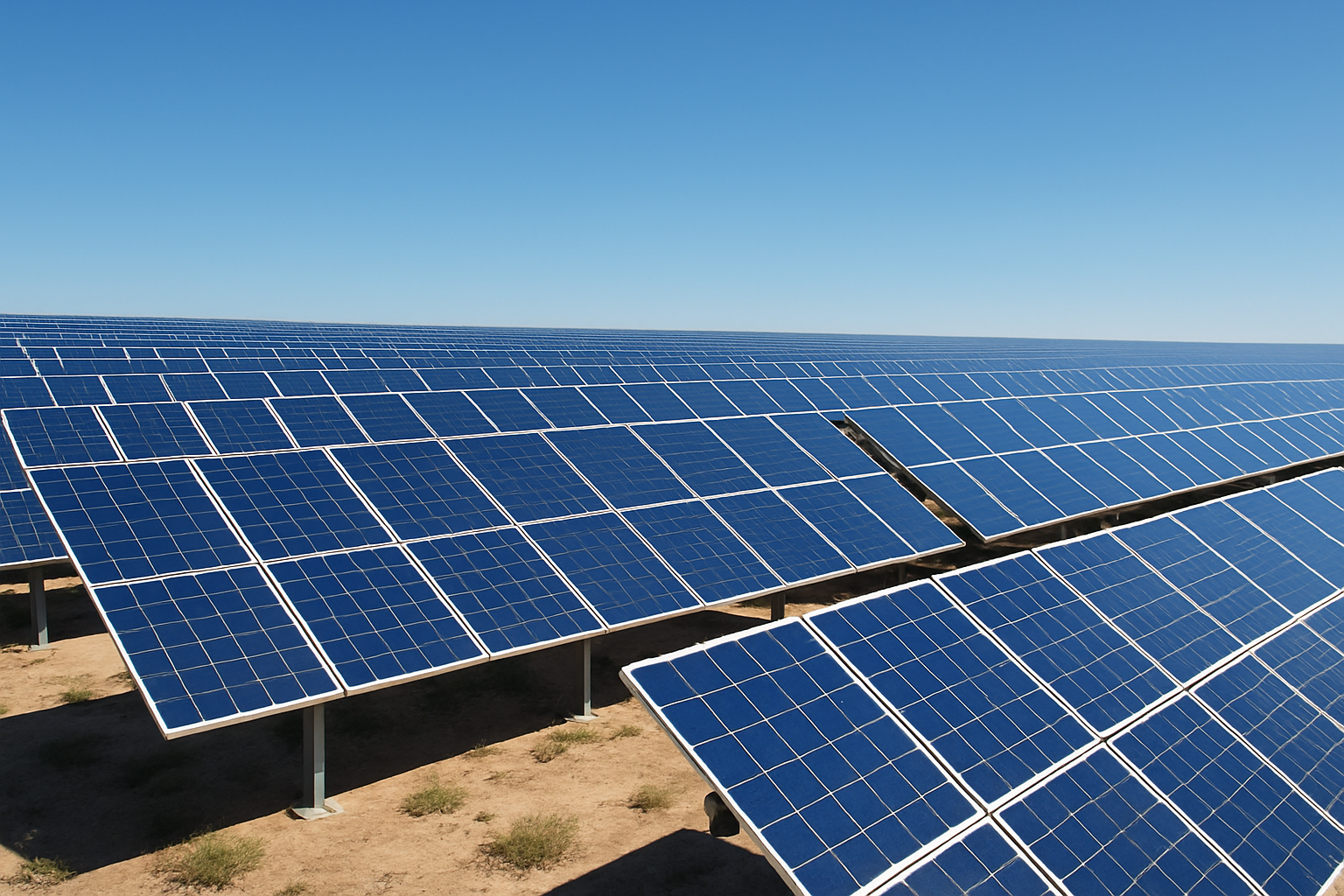
- Solar Power: Generated from sunlight using photovoltaic cells.
- Wind Power: Produced by converting wind energy into electricity through turbines.
- Hydropower: Generated by harnessing the energy of flowing water.
- Geothermal Power: Utilises heat from the Earth’s interior.
- Biomass Energy: Derived from organic materials, such as plant matter and waste.
Defining Non-renewable Resources
In contrast, non-renewable resources are those that cannot be replenished at the same rate they are consumed. These resources include fossil fuels such as coal, oil, and natural gas, as well as certain minerals and metals. The extraction and consumption of these resources occur at a pace that far exceeds their natural formation, leading to eventual depletion.
For example, petroleum and natural gas are formed over millions of years from organic material subjected to heat and pressure. Once these resources are extracted, they cannot be replaced within a human timeframe, making them fundamentally different from renewable resources.
Examples of Non-renewable Resources
- Fossil Fuels: Includes coal, crude oil, and natural gas.
- Minerals: Such as gold, silver, and iron, which take extensive geological time to form.
- Nuclear Fuels: Extracted from uranium, these are also classified as non-renewable.
Implications of Resource Use
The reliance on renewable resources is becoming increasingly necessary as non-renewable resources dwindle and environmental concerns grow. Transitioning to renewable energy sources can mitigate the negative impacts associated with fossil fuel consumption, such as greenhouse gas emissions and environmental degradation.
However, the current infrastructure for energy production heavily favours non-renewable resources due to their historical availability and lower initial costs. As technology advances, the hope is that renewable resources will become more economically viable, leading to a more sustainable energy future.
Conclusion
Understanding the differences between renewable and non-renewable resources is vital for making informed decisions regarding energy production and environmental sustainability. As the demand for energy continues to rise, the shift towards renewable resources will play a critical role in addressing the challenges posed by finite non-renewable resources.
[[TABLE_1]]
Comments (0)
Loading comments…
Checking sign-in status…