

Understanding forest, grassland, and desert ecosystems reveals their unique characteristics and interactions among organisms and their environments, highlighting the importance of biodiversity. Each ecosystem plays a crucial role in the Earth's biosphere, influenced by both biotic and abiotic components.
In ecological studies, understanding the various types of ecosystems is crucial. Each ecosystem, whether forest, grassland, or desert, plays a significant role in the Earth's biosphere, showcasing diverse interactions among organisms and their environments.
Characteristics of Forest Ecosystems
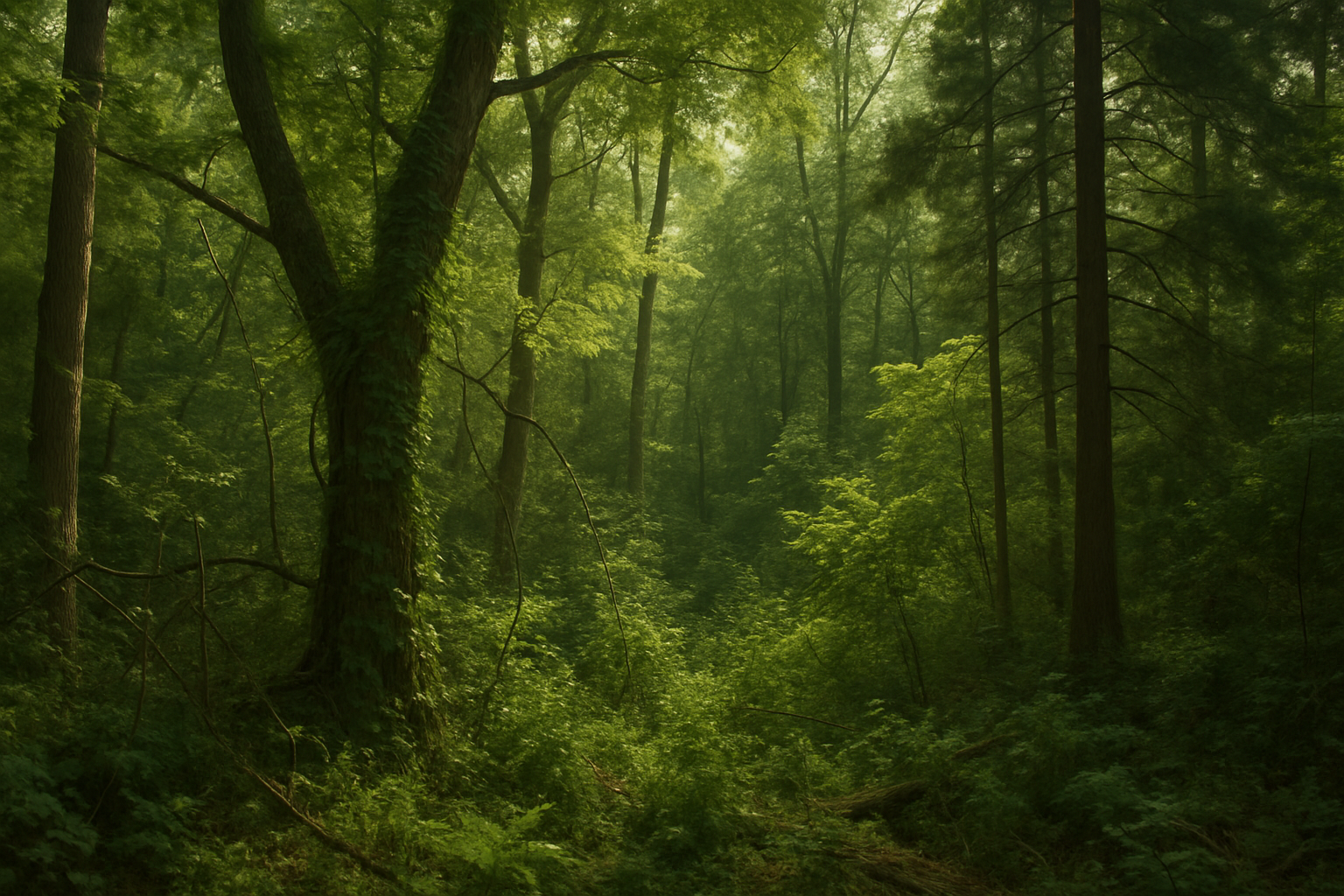
Forest ecosystems are expansive terrestrial systems that exhibit remarkable complexity and biodiversity. These ecosystems can vary greatly in size, from small woodlands to vast forests. They are primarily self-sustaining, relying on the intricate relationships between living organisms and their physical surroundings.
Within a forest ecosystem, both biotic and abiotic components exist. Biotic elements include the diverse range of plants, animals, and microorganisms, while abiotic components consist of non-living factors such as soil, air, and water. The structural characteristics of a forest ecosystem can be defined by species composition and stratification. Species composition involves identifying the variety and quantity of species present, whereas stratification refers to the vertical layering of different species, which allows for various levels of light penetration and resource availability.
Exploring Grassland Ecosystems
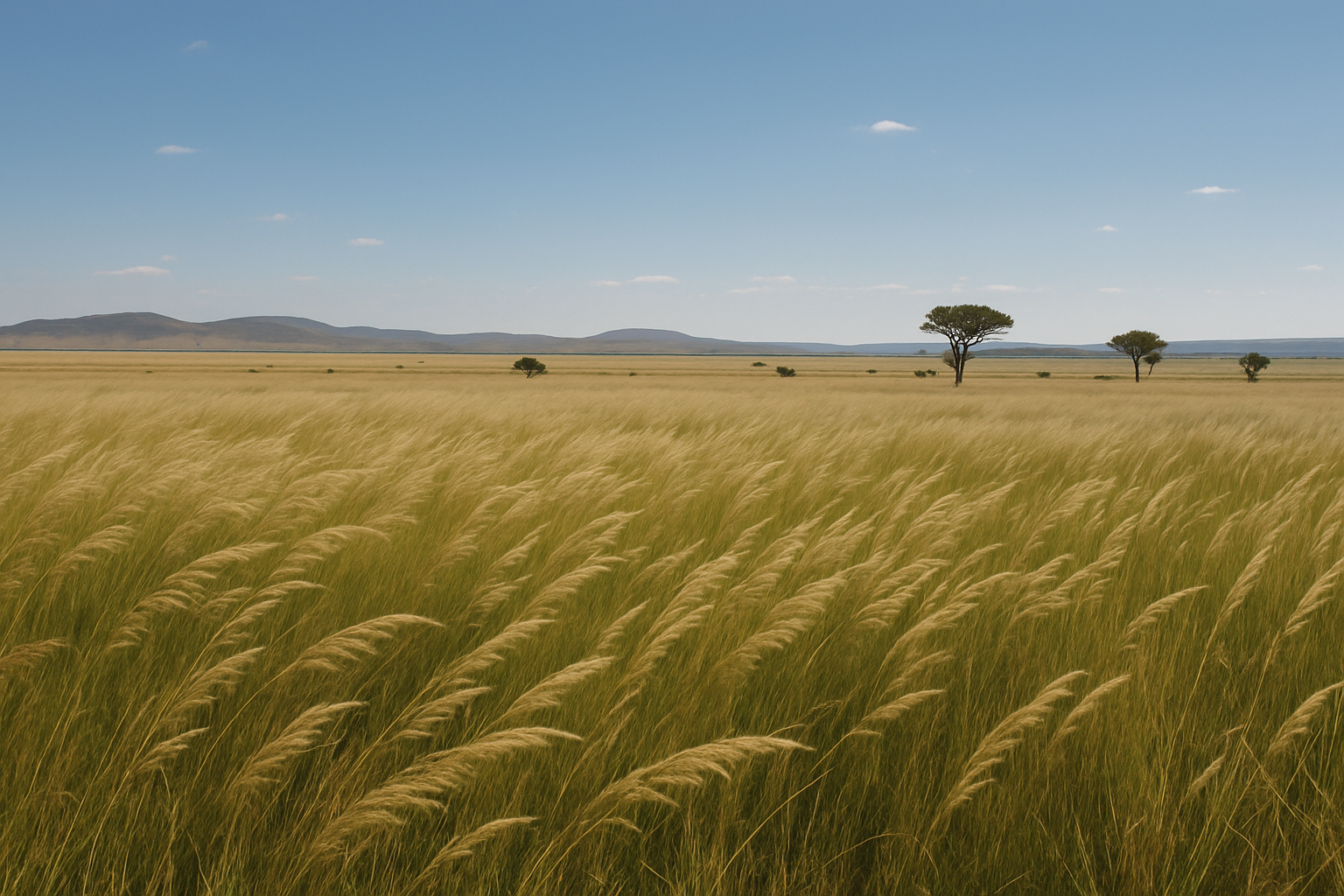
Grassland ecosystems occupy approximately 10% of the Earth's surface and are typically found in regions with temperate climates. These ecosystems thrive on limited rainfall, generally receiving a few hundred millimeters each year, which is sufficient for sustaining herbaceous vegetation.
Grasslands are predominantly composed of grasses and have few trees due to the open space and climate conditions. The components of a grassland ecosystem can be divided into abiotic and biotic categories:
Components of Grassland Ecosystems
- Abiotic Components: Elements such as carbon, sulfur, nitrogen, hydrogen, and phosphorus.
- Biotic Components: Includes producers like various grass species (e.g., Aristida, Cynodon) and consumers, which can be classified into three categories:
- Primary consumers
- Secondary consumers
- Tertiary consumers
- Decomposers
Desert Ecosystems: Features and Adaptations
Desert ecosystems, covering about one-fifth of the Earth's land surface, are among the driest environments on the planet. They can be hot or cold, but all share a common characteristic of receiving minimal precipitation, typically less than 50 centimeters annually.
Despite their harsh conditions, desert ecosystems host a variety of plants and animals that have adapted to survive in extreme environments. These ecosystems are defined by both biological and abiotic components, contributing to their unique ecological dynamics. The limited rainfall and extreme temperatures influence the types of vegetation and animal life that can thrive in these regions.
Overall, understanding the characteristics and components of forest, grassland, and desert ecosystems is essential for appreciating the complexity of ecological interactions and the importance of biodiversity in sustaining life on Earth.
Comments (0)
Loading comments…
Checking sign-in status…