
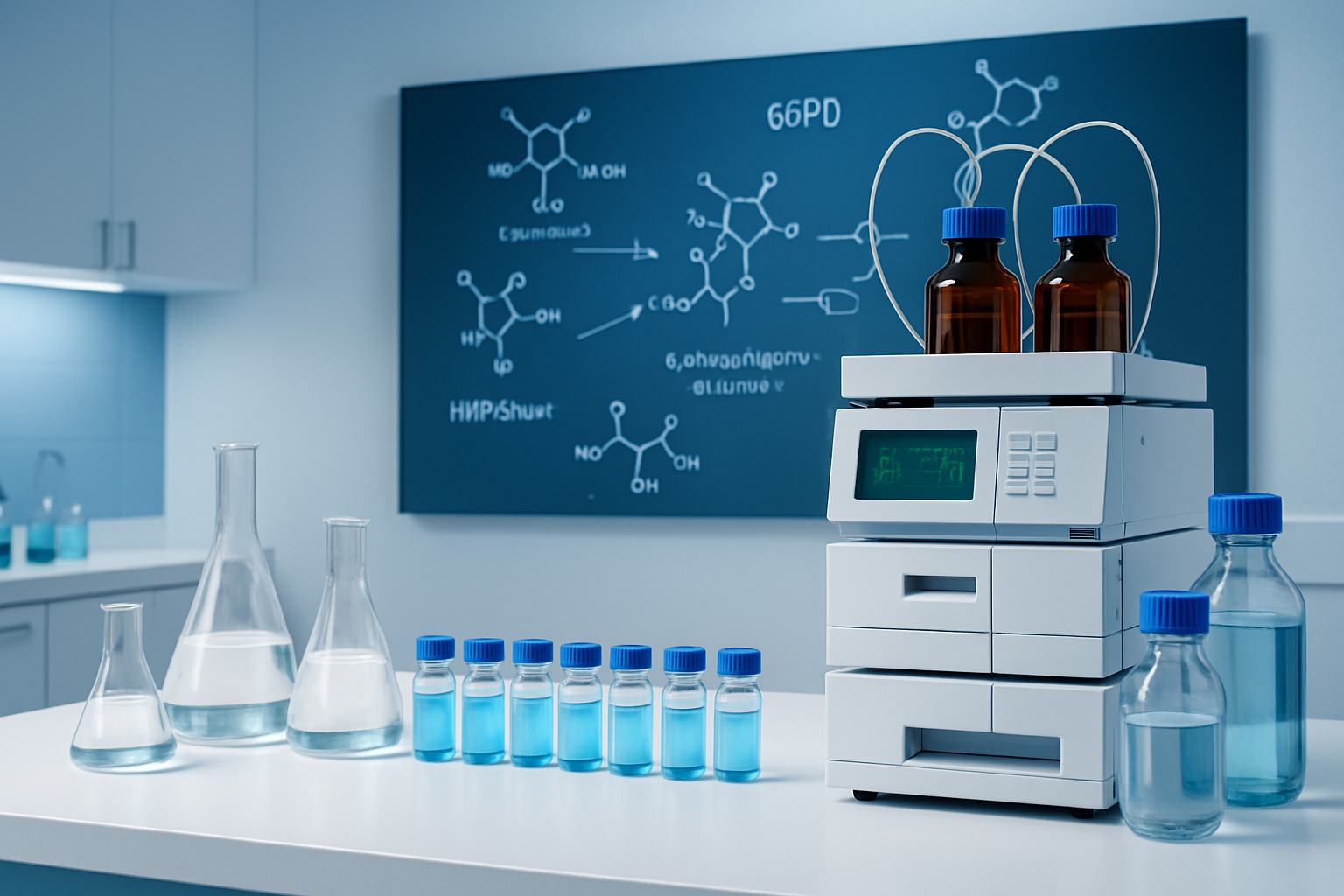
The HMP shunt, or pentose phosphate pathway, is vital for cellular metabolism, producing NADPH and ribose-5-phosphate. G6PD deficiency can lead to hemolytic anemia and symptoms like jaundice and fatigue.
The hexose monophosphate (HMP) shunt, also known as the pentose phosphate pathway, plays a crucial role in cellular metabolism. It serves as an alternative route for glucose oxidation, leading to the production of vital molecules such as ribose-5-phosphate and NADPH. Understanding this pathway is essential for recognising its implications in various physiological processes and disorders.
Overview of the HMP Shunt
The HMP shunt operates through two distinct phases: the oxidative phase and the subsequent non-oxidative phase. This pathway is not only anabolic but also serves significant metabolic functions, primarily in highly active tissues such as the liver, adrenal glands, and erythrocytes.
Oxidative Phase Mechanisms

The oxidative phase is characterised by a series of irreversible reactions that primarily focus on generating NADPH. The first step involves the oxidation of glucose-6-phosphate facilitated by the enzyme glucose-6-phosphate dehydrogenase, resulting in the formation of NADPH. This is followed by the hydrolysis of 6-phosphoconolactone into 6-phosphogluconate, which is then converted into 3-keto-6-phosphogluconate by the action of 6-phosphogluconate dehydrogenase, also producing NADPH. The final step of this phase involves the decarboxylation of 3-keto-6-phosphogluconate to ribulose-5-phosphate, which is pivotal for the subsequent reactions.
Subsequent Phase Reactions
The non-oxidative phase of the HMP shunt facilitates the interconversion of various sugar phosphates. Initially, ribulose-5-phosphate is isomerised into ribose-5-phosphate through the action of phosphopentose isomerase, which is essential for nucleotide synthesis. Following this, ribulose-5-phosphate is also converted into xylulose-5-phosphate by phosphopentose epimerase. The enzyme transaldolase then catalyses the transformation of sedoheptulose-7-phosphate into erythrose-4-phosphate and fructose-6-phosphate. Additionally, transketolase plays a critical role by transferring two-carbon units from xylulose-5-phosphate to erythrose-4-phosphate, ultimately producing glyceraldehyde-3-phosphate and fructose-6-phosphate. This series of reactions ensures that pentose sugars are adequately supplied for biosynthetic processes.
Role and Importance of the HMP Shunt
The HMP shunt is indispensable for producing NADPH, which serves as a reducing agent in anabolic reactions, including lipid synthesis and the production of nucleotides. This pathway is especially active in tissues requiring high levels of NADPH, such as the liver and adipose tissue, and during processes like phagocytosis in leukocytes. The generated NADPH is crucial for the synthesis of fatty acids, cholesterol, and the detoxification of reactive oxygen species in erythrocytes.
Understanding G6PD Deficiency
Glucose-6-phosphate dehydrogenase deficiency is a hereditary condition that affects red blood cell integrity. Individuals with this deficiency are prone to hemolytic anemia due to the accelerated breakdown of red blood cells. Symptoms may include pallor, jaundice, dark urine, fatigue, and shortness of breath. This deficiency can be exacerbated by certain infections or medications, particularly anti-malarial drugs and some antibiotics. A notable reaction associated with this condition is favism, triggered by the consumption of fava beans. Moreover, neonates with G6PD deficiency may present with jaundice, highlighting the clinical significance of this enzymatic deficiency.
| Symptom | Description |
|---|---|
| Pallor | Noticeable lightening of skin colour. |
| Jaundice | Yellowing of skin and eyes due to elevated bilirubin levels. |
| Dark Urine | Urine may appear darker than normal, indicating hemolysis. |
| Fatigue | Generalised tiredness and lack of energy. |
| Rapid Heartbeat | Increased heart rate as a compensatory mechanism. |
| Shortness of Breath | Difficulty in breathing, particularly during exertion. |
Comments (0)
Loading comments…
Checking sign-in status…