

Pollution significantly affects air, water, and soil, with harmful substances from human activities exceeding natural levels. Understanding pollution sources is essential for effective management and mitigation strategies.
The presence of pollutants in our environment has far-reaching consequences, impacting both natural ecosystems and human health. Pollution occurs when harmful substances, whether chemical or energy-based, exceed natural levels, leading to detrimental effects on living organisms and the environment. This imbalance often arises from human activities that introduce contaminants faster than the natural environment can neutralise them.
Pollutants can take various forms, including gases, heavy metals, and organic compounds. Understanding the sources and types of pollution is crucial for effective management and mitigation strategies.
Air Quality Degradation
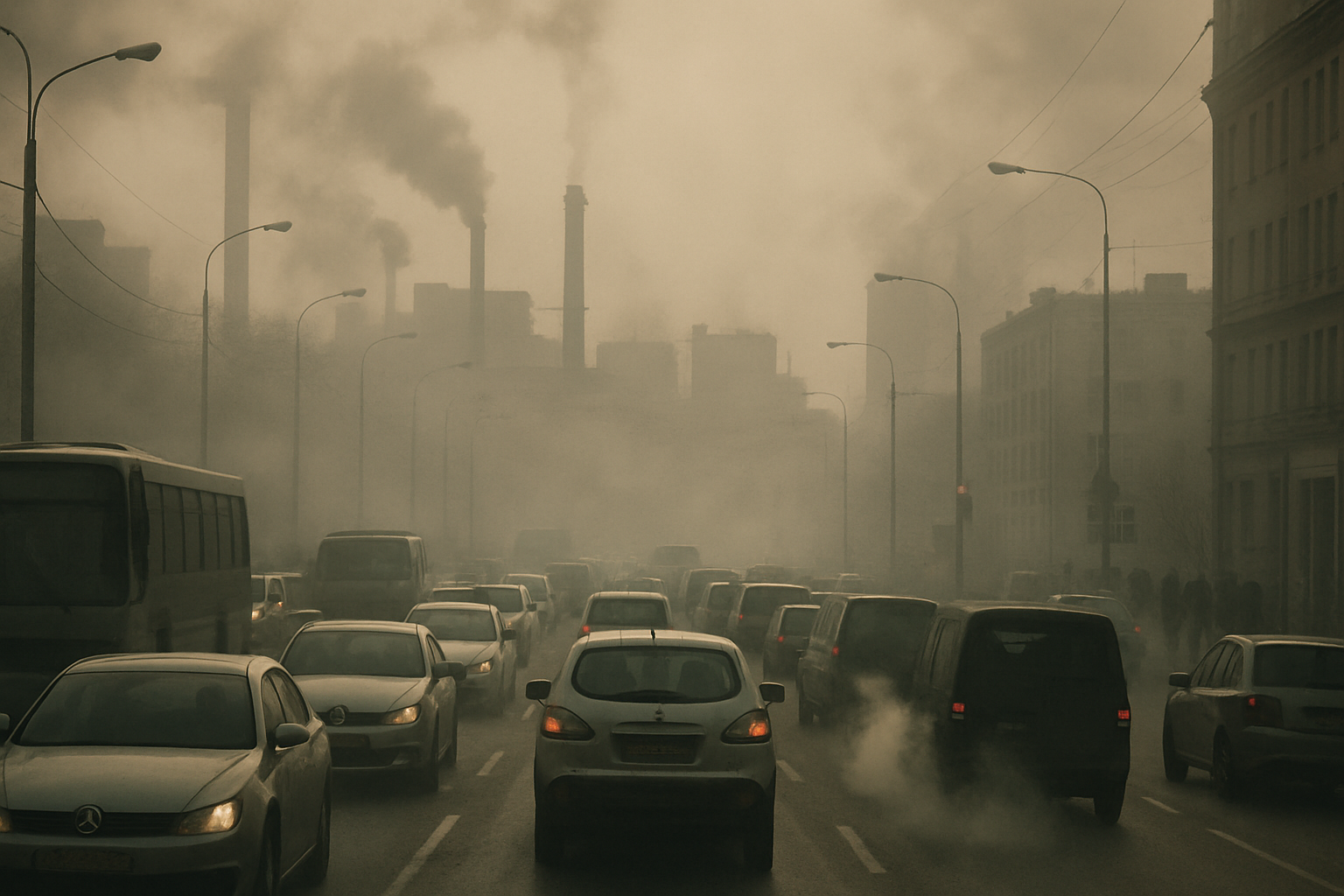
Air pollution results from a combination of natural occurrences and human activities that release harmful materials into the atmosphere. Major contributors include emissions from vehicles, industrial processes, and the burning of fossil fuels.
Key Sources of Air Pollution
Automobile exhaust, residential heating, and emissions from coal-fired power plants are among the primary sources of air pollutants. Additionally, natural events such as wildfires and volcanic eruptions contribute to air quality issues. The following substances are commonly associated with air pollution:
- Ground-level Ozone: Often referred to as smog, it forms when pollutants from vehicles and industrial sources react with sunlight.
- Particulate Matter (PM): Composed of tiny particles released from combustion processes, it includes various chemical compounds harmful to health.
- Volatile Organic Compounds (VOCs): These carbon-containing compounds evaporate easily and are emitted from numerous sources, including paints and cleaning products.
- Polycyclic Aromatic Hydrocarbons (PAHs): Generated from incomplete combustion of organic materials, PAHs are known carcinogens.
Contamination of Water Bodies
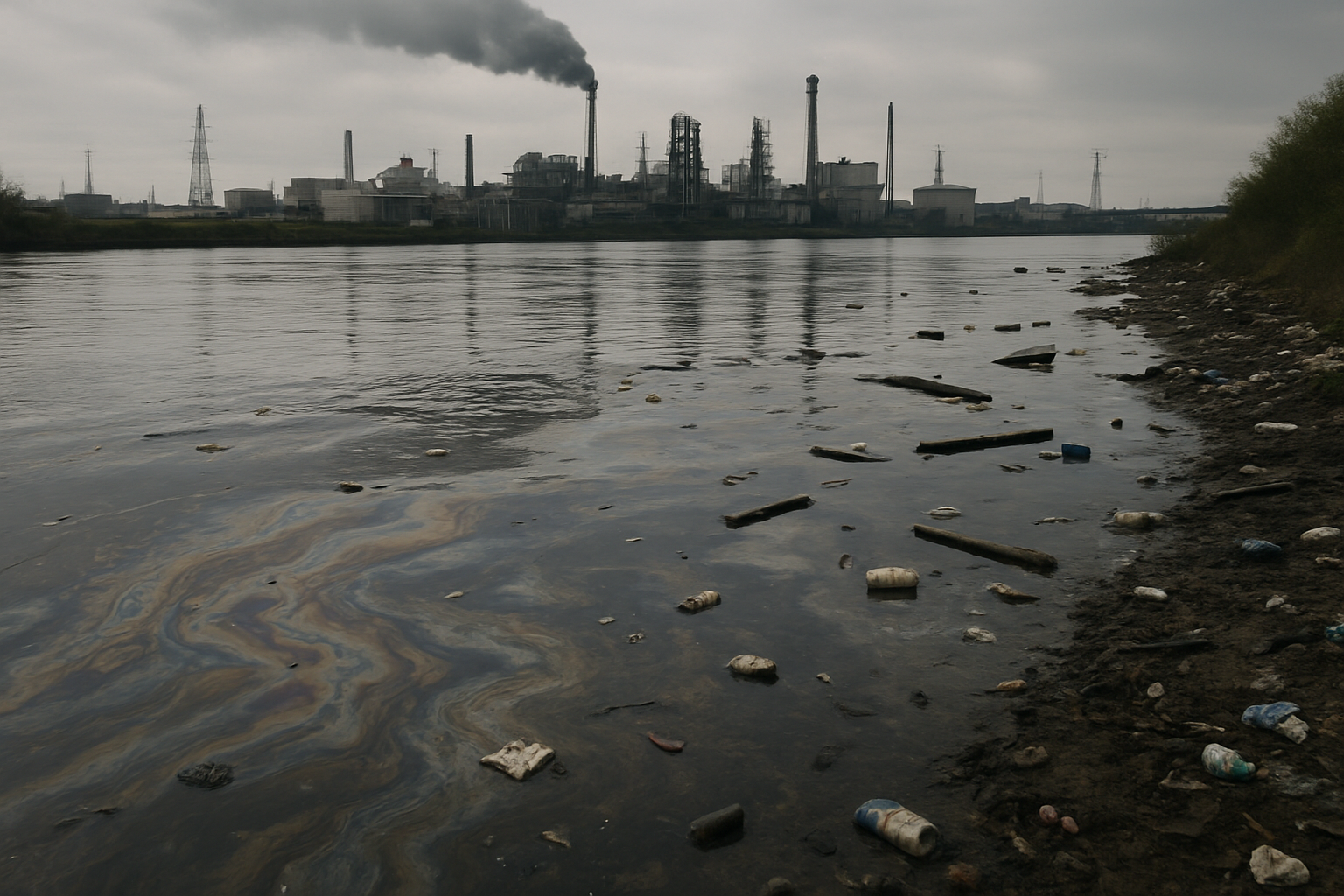
Water pollution occurs when harmful substances infiltrate water bodies, compromising aquatic ecosystems and potentially affecting human drinking water supplies. Pollutants may dissolve, float, or settle on the surface of water.
Common Pollutants in Water
Several factors contribute to water pollution, with urban sewage and industrial discharge being significant sources. Pollutants can enter water systems directly or indirectly through soil and groundwater. Types of water pollutants include:
- Radioactive Substances: These can pose severe health risks and contaminate water supplies.
- Organic Pollutants: Often derived from agricultural runoff, these substances can disrupt aquatic life.
- Inorganic Pollutants: Heavy metals and chemicals from industrial processes are common water contaminants.
Soil Contamination Issues
Soil pollution occurs when harmful substances accumulate in the soil at levels that can adversely affect human health and the environment. This can result from both natural processes and human activities.
Sources and Types of Soil Contaminants
Soil naturally contains various organic and inorganic compounds. However, when these exceed normal levels due to pollution, it becomes problematic. Key sources of soil pollution include:
- Pesticides: Used in agriculture, these chemicals can contaminate soil and crops.
- Urban Waste: Improper disposal of waste can introduce harmful substances into the soil.
- Radioactive Material: Emissions from industrial activities can lead to soil contamination.
Effective management of pollution requires a comprehensive understanding of its sources and impacts. By recognising the various ways pollution affects air, water, and soil, we can work towards better regulatory measures and sustainable practices.
[[TABLE_1]]
Comments (0)
Loading comments…
Checking sign-in status…