
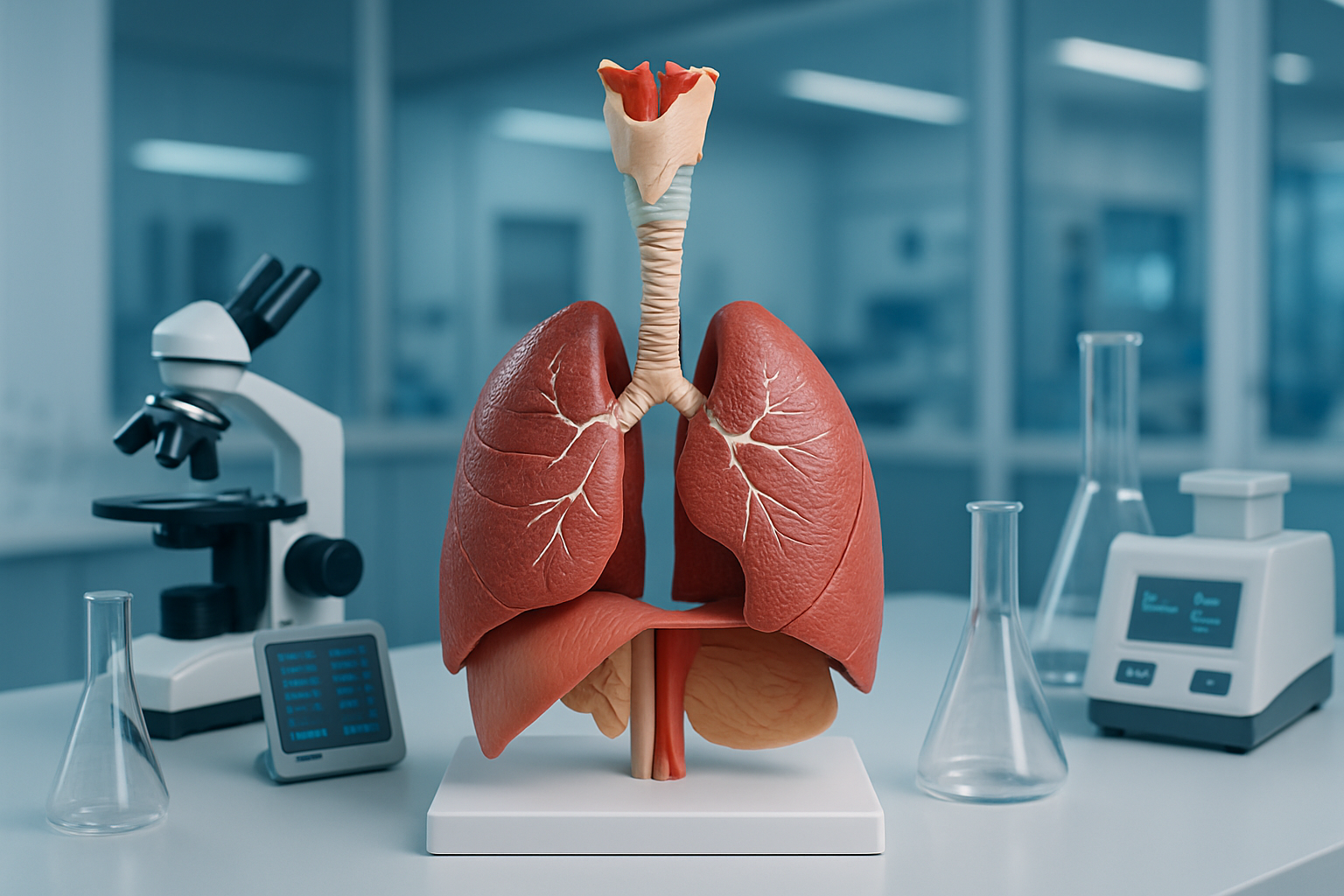
The respiratory system is essential for oxygen intake and carbon dioxide removal, comprising various organs like the lungs, trachea, and diaphragm. Key conditions affecting this system include asthma and COPD, which require careful management and understanding for effective treatment.
The respiratory system is crucial for maintaining oxygen levels in the body and removing carbon dioxide. It consists of various organs and structures that work together to facilitate breathing and support overall health.
Anatomy of the Respiratory System

The respiratory system comprises several key components that play specific roles in breathing. Each part collaborates to ensure efficient gas exchange and the protection of the lungs.
Key Components
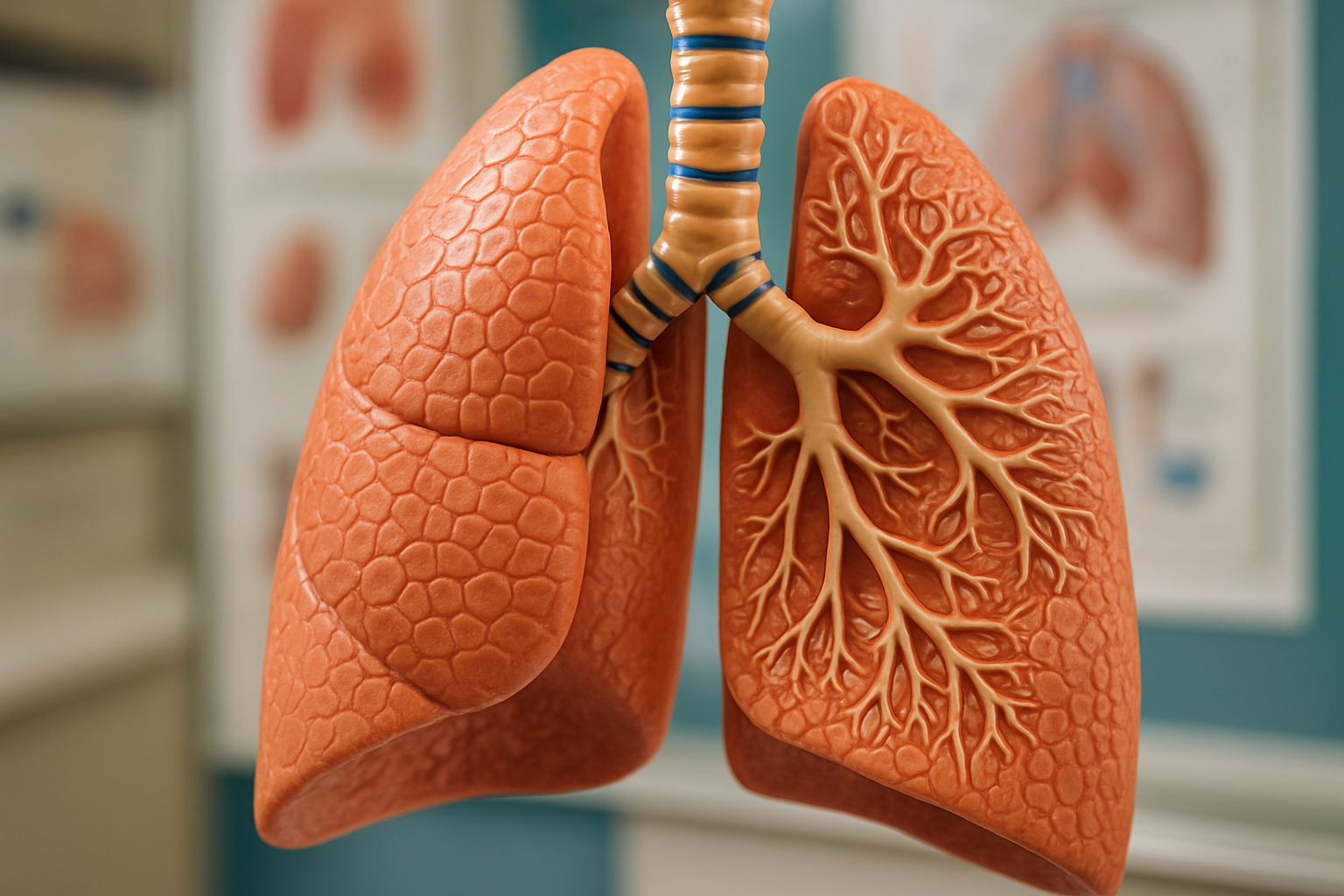
Air enters the respiratory system primarily through the mouth and nose, where it is conditioned before reaching the lungs. The main components of the airways include:
- Mouth and Nose: These openings allow the intake of fresh air.
- Sinuses: Cavities that regulate the humidity and temperature of inhaled air.
- Pharynx: The passage that connects the mouth and nose to the trachea.
- Trachea: The windpipe that directs air into the bronchial tubes.
- Bronchial Tubes: These connect the trachea to the lungs.
- Lungs: Organs that facilitate the exchange of oxygen and carbon dioxide with the blood.
In addition to these structures, several muscles and bones support the respiratory process:
- Diaphragm: A muscle that aids in inhalation and exhalation.
- Ribs: Provide protection to the lungs while allowing flexibility during breathing.
Other important structures include:
- Alveoli: Small air sacs where gas exchange occurs.
- Bronchioles: Smaller branches leading to the alveoli.
- Capillaries: Blood vessels that transport oxygen and carbon dioxide to and from the alveoli.
- Lung Lobes: The left lung has two lobes, while the right has three.
- Pleura: A thin membrane surrounding each lung lobe.
Additional features include:
- Cilia: Hair-like structures that help filter out dust and irritants.
- Epiglottis: A flap that prevents food and liquids from entering the trachea during swallowing.
- Larynx: The voice box that facilitates sound production.
Asthma: A Common Respiratory Condition
Asthma is characterised by inflamed and narrowed airways, leading to various symptoms that can range from mild to severe. While some individuals may experience minor symptoms, others can face life-threatening asthma attacks.
Symptoms and Management
Asthma symptoms can vary significantly among individuals and may worsen over time. Common signs include:
- Chest tightness or pain
- Shortness of breath
- Wheezing or coughing, particularly at night
- Increased use of inhalers for quick relief
Monitoring symptoms regularly with a healthcare provider is essential, as treatment plans may need adjustments based on the severity and frequency of symptoms. Factors such as respiratory infections can exacerbate asthma, making vigilance critical.
Chronic Obstructive Pulmonary Disease (COPD)
This condition encompasses a group of lung diseases, including emphysema and chronic bronchitis, which are primarily caused by persistent inflammation of the airways. COPD results in airflow obstruction, leading to pronounced breathing difficulties.
Characteristics and Risk Factors
Common symptoms of COPD include:
Long-term exposure to harmful substances like cigarette smoke is a significant risk factor for COPD, which can increase the likelihood of developing other serious conditions such as heart disease and lung cancer. Both emphysema and chronic bronchitis play critical roles in the disease's progression, necessitating a comprehensive approach to management.
Management Considerations
Patients with COPD often experience coexisting health issues, complicating treatment strategies. Effective management may involve smoking cessation, pulmonary rehabilitation, and medications aimed at alleviating symptoms and improving lung function.
[[TABLE_1]]Understanding the intricate workings of the respiratory system and its associated conditions, such as asthma and COPD, is vital for healthcare professionals. This knowledge supports diagnosis, treatment, and ongoing patient education, ultimately enhancing patient outcomes.
Comments (0)
Loading comments…
Checking sign-in status…