
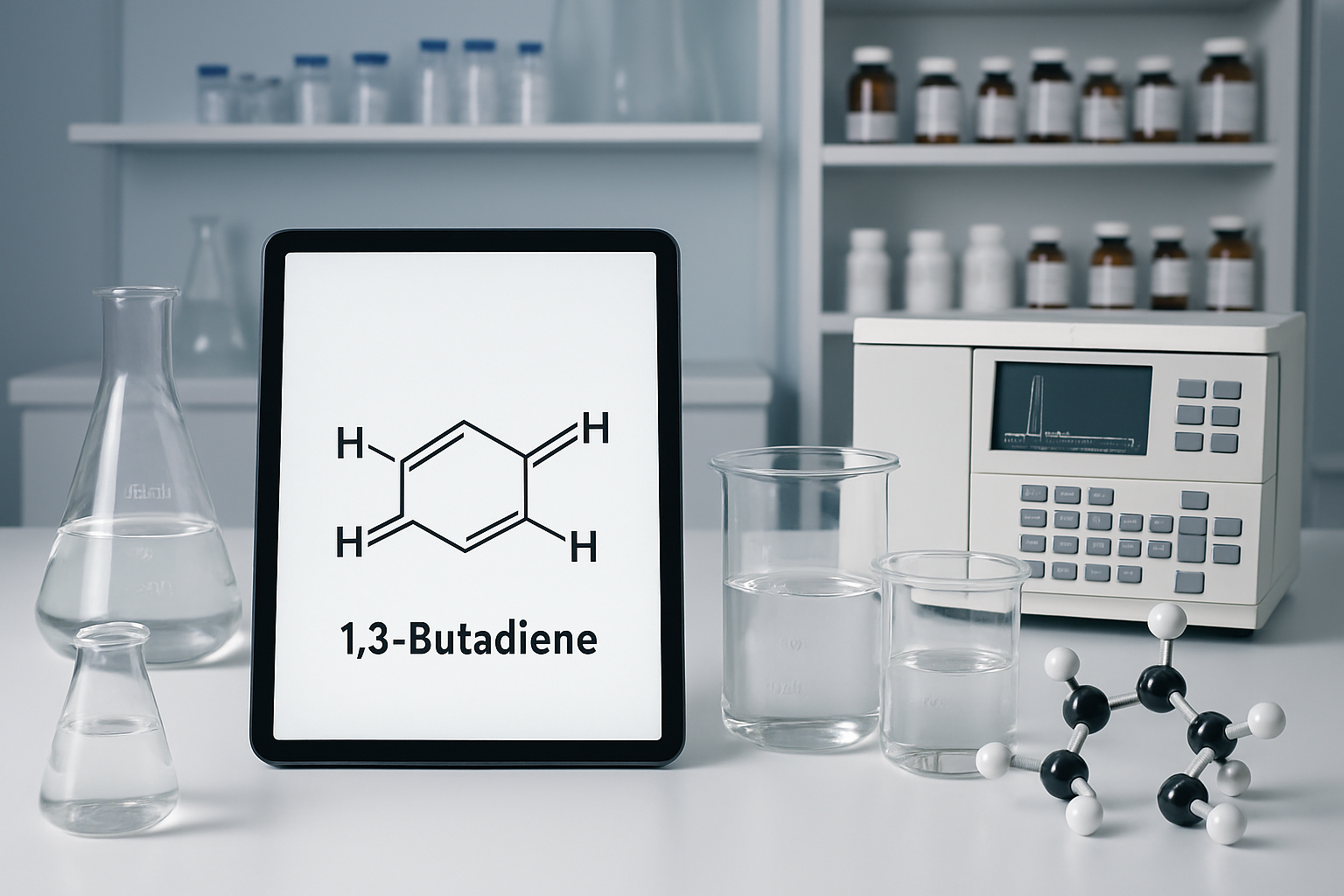
Conjugated dienes, with alternating double and single bonds, exhibit enhanced stability due to charge delocalization and resonance. Their stability is crucial for reactions like the Diels-Alder and electrophilic addition, which are significant in synthetic organic chemistry.
Conjugated dienes are a significant class of compounds in organic chemistry, characterised by alternating double and single carbon-carbon bonds. Their stability and reactivity are crucial for various chemical processes, including synthetic pathways in pharmaceuticals.
Factors Affecting the Stability of Conjugated Dienes
Conjugated dienes, which feature alternating double bonds separated by single bonds, exhibit greater stability than isolated double bonds. This enhanced stability arises from several factors, including charge delocalization through resonance and hybridization energies. In contrast, cumulated dienes, where double bonds are adjacent, are considered less stable due to their structural arrangement.
The hydrogenation energies of different types of dienes provide insight into their stability. For example, the heat of hydrogenation for conjugated dienes is approximately 54 kcal/mol, compared to 60 kcal/mol for isolated double bonds and 70 kcal/mol for cumulated dienes. This energy difference highlights the relative stability of each structure.
Resonance Theory and Conjugated Diene Stability
The resonance theory explains the stability of conjugated dienes by illustrating how electrons are delocalised across the molecule. In a typical 1,3-diene, such as 1,3-butadiene, the sp2 hybridisation of carbon atoms results in overlapping p orbitals. This overlap allows for the delocalisation of pi electrons, thereby stabilising the molecule.
Molecular Orbital Perspective
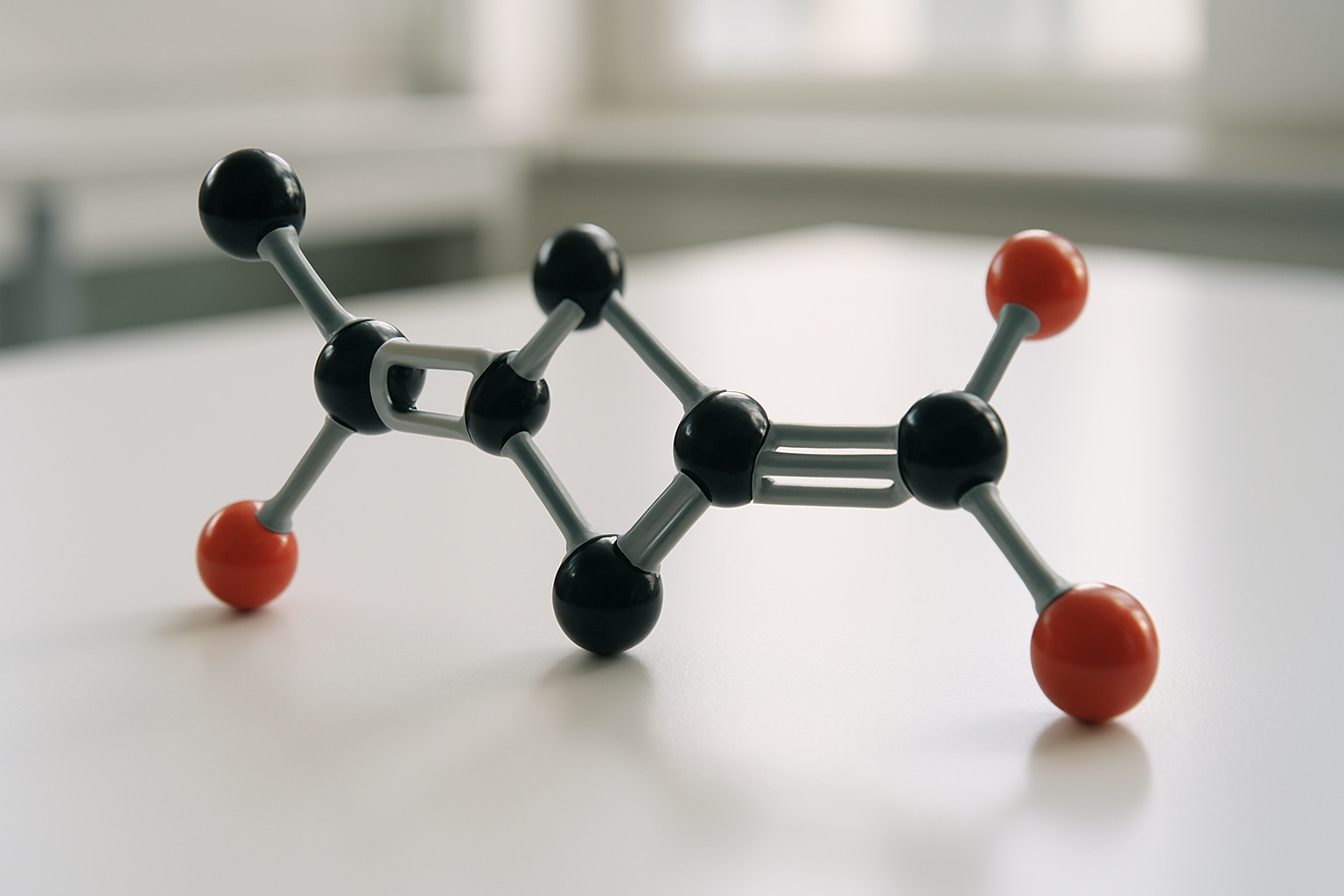
From a molecular orbital standpoint, the stability of conjugated dienes can be understood through their energy levels. For instance, in 1,3-butadiene, the pi orbitals are arranged such that the lowest energy orbital has a single nodal plane, while higher energy orbitals possess additional nodes. The stability of the conjugated system relies on the filling of bonding molecular orbitals, which contributes to the overall energy balance.
Diels-Alder Reaction: Mechanistic Insights
The Diels-Alder reaction is a fundamental process in organic chemistry, involving the cycloaddition of a diene and a dienophile to form a six-membered ring. This reaction features a concerted mechanism, meaning that bond formation and breaking occur simultaneously, resulting in the synthesis of complex structures such as cyclohexene derivatives.
Mechanism of the Diels-Alder Reaction
In the Diels-Alder mechanism, the diene contributes four pi electrons, while the dienophile contributes two. The reaction proceeds without an energy barrier due to the suprafacial interaction of the electron systems. The formation of sigma bonds from pi bonds during this reaction is thermodynamically favourable, as weaker sigma bonds are formed from stronger pi bonds.
Electrophilic Addition Reactions of Alkenes
Electrophilic addition is a pivotal reaction for alkenes, where the double bond acts as a nucleophile, facilitating the addition of electrophiles. Understanding this reaction is essential for grasping the behaviour of alkenes in various chemical contexts.
Mechanism of Electrophilic Addition
The electrophilic addition process typically begins with an electrophile attacking the pi electrons of the alkene, leading to the formation of a carbocation intermediate. This intermediate is electron-deficient, resulting in a positive charge on one of the carbons. Subsequently, a nucleophilic species, such as a halide anion, can attack this carbocation, ultimately forming a stable alkyl halide product.
For instance, when hydrogen halides such as HBr are involved, the reaction mechanism includes the formation of a C-H sigma bond followed by the transfer of electrons to generate a halide anion. The efficiency of this reaction can vary depending on the nature of the halide involved, as larger halides tend to weaken the bond due to insufficient orbital overlap.
Through an understanding of the stability and reactivity of conjugated dienes, chemists can effectively manipulate these compounds for various applications in synthetic organic chemistry.
Comments (0)
Loading comments…
Checking sign-in status…