
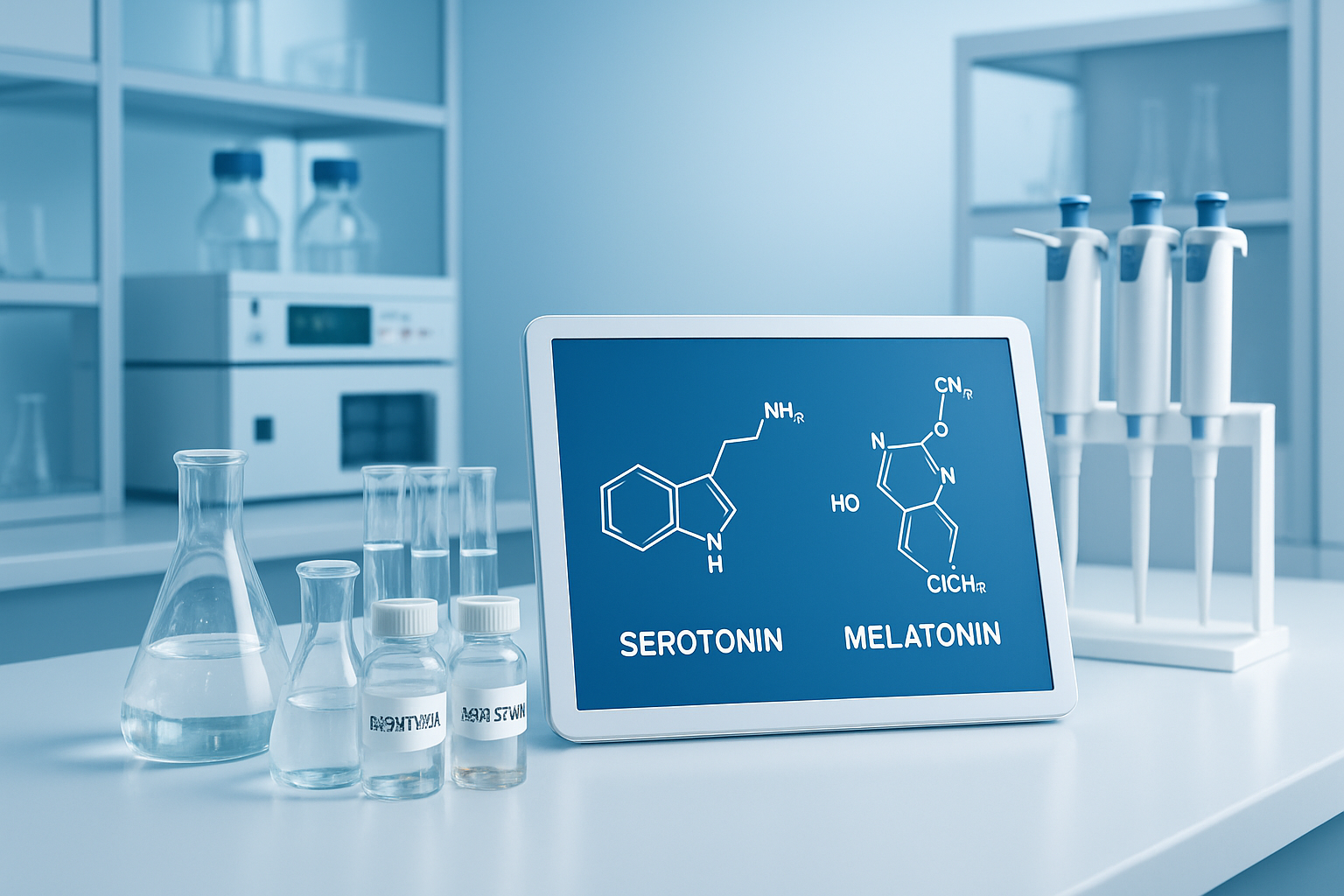
The article discusses the synthesis and roles of key biological substances like serotonin, melatonin, dopamine, noradrenaline, and epinephrine in human health. It highlights their production processes, regulatory mechanisms, and physiological functions, emphasizing their importance in various health aspects.
The human body relies on a variety of biological substances that play critical roles in regulating physiological processes. Understanding the synthesis and significance of compounds such as serotonin, melatonin, dopamine, noradrenaline, and adrenaline is essential for comprehending their impact on health and disease.
Serotonin (5-Hydroxytryptamine)
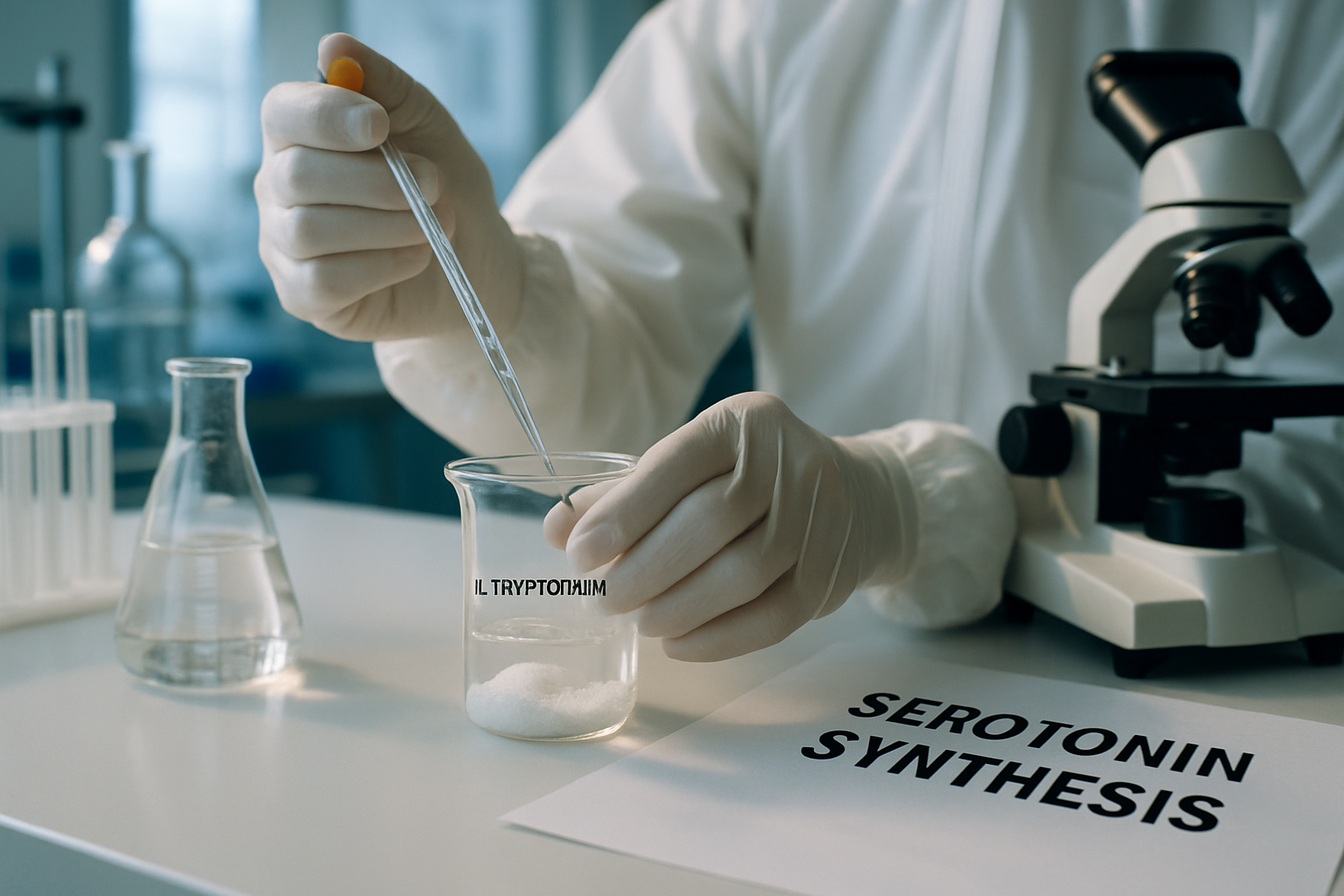
Serotonin is primarily stored in three types of cells: blood platelets, central nervous system neurons, and enterochromaffin cells located in the gastrointestinal tract. The synthesis of serotonin occurs from L-tryptophan, facilitated by enterochromaffin cells and serotonergic neurons. Platelets rely on the uptake of serotonin from the bloodstream. The process of serotonin production begins with the conversion of L-tryptophan into 5-hydroxytryptophan, catalysed by the enzyme L-tryptophan hydroxylase (TPH). This enzyme is pivotal in regulating serotonin synthesis, akin to the role of L-tyrosine hydroxylase in the production of L-DOPA from L-tyrosine. Various inhibitors, such as α-propyldopacetamide and p-chlorophenylalanine, can affect TPH activity, while substances like p-chloroamphetamine and fenfluramine may influence additional serotonergic processes, including neurotoxicity.
Serotonin metabolism is primarily overseen by monoamine oxidase (MAO), which exists in two forms, MAO-A and MAO-B. Each subtype exhibits unique substrate specificity and inhibitor sensitivity. MAO-A is notably more selective for serotonin and is implicated in the therapeutic effects of certain antidepressants. The metabolic pathway of serotonin leads to the formation of 5-hydroxyindole acetic acid, its principal metabolite, highlighting the substance's complex biochemistry.
Melatonin Synthesis and Regulatory Mechanisms
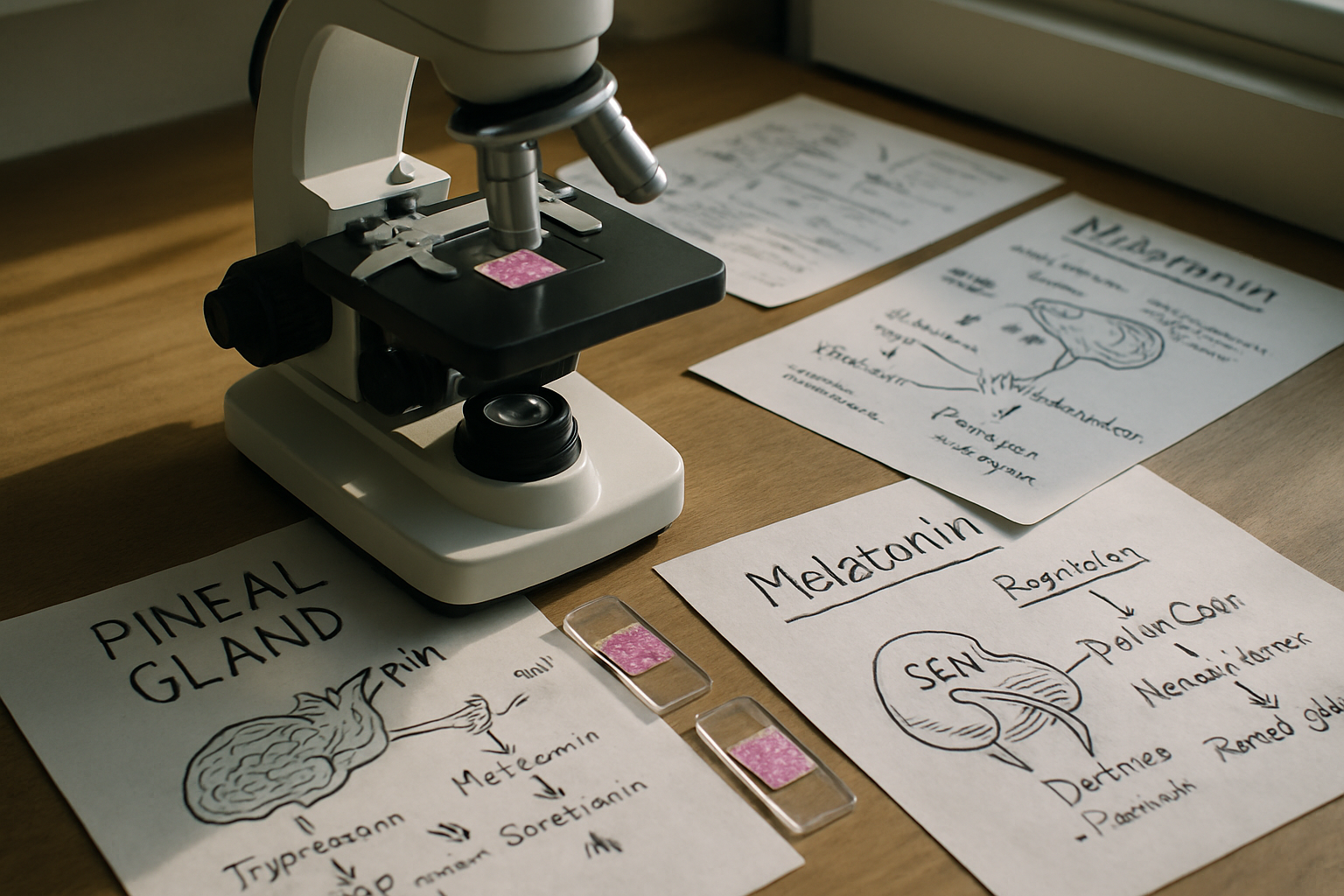
Melatonin production differs significantly between plants and animals. While plant cells produce higher levels of melatonin, animal cells synthesise it primarily in the pineal gland. The regulation of melatonin synthesis is influenced by light exposure—animals experience fluctuations in melatonin levels according to the light-dark cycle, whereas plants exhibit less pronounced variations. In vertebrates, the synthesis process involves the activation of several enzymes, with N-acetyltransferase (NAT) generally regarded as the rate-limiting step. In contrast, plants may respond to environmental light conditions, with enhanced production during periods of darkness.
The significance of melatonin extends beyond its role in sleep regulation. It is vital for maintaining circadian rhythms, improving sleep quality, and exhibiting antioxidant properties that can protect against age-related decline. Additionally, melatonin has been linked to various health benefits, including the enhancement of mood and immune function, further underscoring its importance in maintaining overall health.
Dopamine Production and Its Impact
Dopamine synthesis is initiated from the amino acid tyrosine, which is derived from phenylalanine through the action of phenylalanine hydroxylase in the liver. The conversion of tyrosine to L-DOPA by tyrosine hydroxylase is crucial for dopamine production, occurring within catecholaminergic neurons. Following this, dopa decarboxylase facilitates the conversion of L-DOPA into dopamine. It is important to note that this enzyme also acts on other aromatic amino acids, indicating broader metabolic implications.
Dopamine serves as a key neurotransmitter, facilitating communication between nerve cells. Its role in pleasure, motivation, and cognitive functions highlights its importance in both normal physiology and various neuropsychiatric conditions.
Noradrenaline Synthesis and Function
Noradrenaline production is intricately linked to nerve activity, with studies demonstrating how nerve impulses influence both the synthesis and utilisation of this neurotransmitter. Specific experiments have shown that the administration of certain pharmacological agents can modulate noradrenaline levels in the spinal cord, revealing a complex interplay between receptor-mediated feedback and neurotransmitter release. Unlike dopamine, the synthesis of noradrenaline is less dependent on direct nerve impulse stimulation, relying more on receptor interactions.
As a neurotransmitter, noradrenaline plays a pivotal role in the sympathetic nervous system, mediating responses such as vasoconstriction and increased heart rate. Its therapeutic application in treating hypotensive states illustrates its vital function in cardiovascular regulation.
Epinephrine: Synthesis and Physiological Role
Epinephrine, or adrenaline, is synthesised in the adrenal medulla through a cascade of enzymatic reactions converting L-DOPA to norepinephrine, and subsequently to epinephrine. This process involves key enzymes and is part of the body's acute stress response. Approximately 80% of catecholamines released during stress are epinephrine, which exerts significant effects on cardiovascular and metabolic processes.
Adrenaline's physiological effects include increased heart rate, enhanced blood flow to muscles, and elevated glucose release from the liver, all of which prepare the body for rapid response to stressors. Its multifaceted role in the fight-or-flight response demonstrates the critical nature of this hormone in maintaining homeostasis during stressful situations.
| Substance | Synthesis Source | Key Functions |
|---|---|---|
| 5-HT (Serotonin) | Enterochromaffin cells, neurons | Mood regulation, sleep, appetite control |
| Melatonin | Pineal gland | Circadian rhythm regulation, sleep quality |
| Dopamine | Catecholaminergic neurons | Reward, motivation, motor control |
| Noradrenaline | Sympathetic neurons | Stress response, blood pressure regulation |
| Epinephrine | Adrenal medulla | Fight-or-flight response, energy metabolism |
Comments (0)
Loading comments…
Checking sign-in status…