
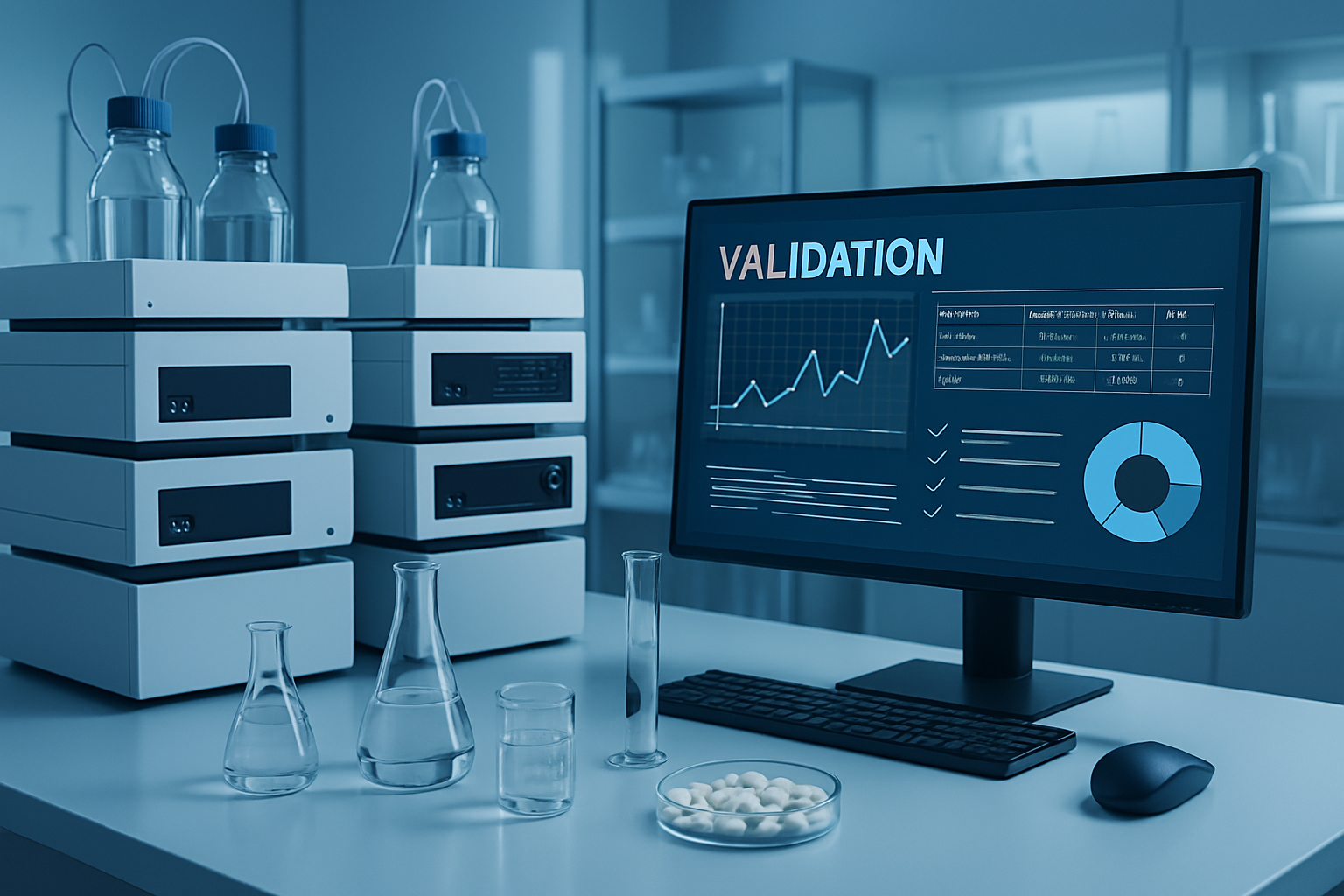
Data integrity in the pharmaceutical sector is crucial for patient safety and regulatory compliance. The article discusses current challenges, consequences of breaches, and strategies for maintaining data integrity, emphasizing the importance of employee training and system validation.
In the pharmaceutical industry, ensuring data integrity across all computer systems is a complex yet vital task. The implications of failing to maintain data integrity are significant, affecting patient safety and regulatory compliance. This article outlines the challenges faced and strategies for maintaining data integrity.
Current Challenges in Data Integrity

Data integrity issues persist, prompting regulatory bodies to enforce stringent measures. With the rise of data manipulation incidents, it is essential for pharmaceutical companies to proactively address potential gaps in their data management practices. A comprehensive assessment can help identify vulnerabilities before they lead to significant problems.
Consequences of Data Integrity Breaches
Accurate and reliable data is crucial not only for ensuring product safety and efficacy but also for building trust with regulatory agencies such as the FDA, EMA, and MHRA. Companies that fail to demonstrate data integrity risk severe repercussions, including:
- Facility closures
- Product recalls
- Import and distribution bans
- Delays in drug approvals
- Damage to reputation
Moreover, repeated violations can lead to increased scrutiny from regulators, resulting in more frequent inspections and a loss of trust.
Strategies for Ensuring Data Integrity
Loading flowchart…
Maintaining data integrity is not solely a technical challenge; it fundamentally involves the human element. Employees at all levels must understand the importance of data integrity and the role they play in upholding it. The following strategies can be implemented:
Employee Training and Awareness
Management must prioritise training to ensure that all staff members recognise the significance of accurate data handling. Key personnel to focus on include:
- System owners
- Quality assurance and control staff
- IT and engineering teams
- Process and data owners
- Validation and compliance specialists
- System maintainers and developers
- Clinical and laboratory professionals
By fostering a culture of accountability, companies can mitigate the risks associated with both accidental and intentional data breaches.
System and Process Validation

To safeguard data integrity, it is essential to validate both computer systems and business processes. This involves:
- Managing access rights and authorisations to ensure that only authorised personnel can modify data
- Regularly reviewing system audit trails to maintain a secure, time-stamped record of data activity
Given the multitude of systems involved in pharmaceutical operations, this validation process can be labour-intensive and disruptive. Therefore, it is advisable to assess each system individually to ensure thorough oversight.
Conclusion
Data integrity management is a multifaceted challenge that requires ongoing commitment from all stakeholders within a pharmaceutical company. By addressing both the technological and human aspects of data integrity, organisations can enhance their compliance and ultimately protect patient safety.
Comments (0)
Loading comments…
Checking sign-in status…