

Data integrity is crucial in validation processes within the pharmaceutical industry, ensuring the accuracy of records like calibration logs and audit trails. The article emphasizes the importance of comprehensive documentation and the application of ALCOA+ principles to maintain reliability throughout the validation process.
Data integrity is a fundamental aspect of validation processes in the pharmaceutical industry. Maintaining the accuracy and reliability of validation records is essential for demonstrating compliance with Good Manufacturing Practices (GMP). This encompasses all documentation related to qualification procedures, including raw data, calibration records, and audit trails. Without robust data integrity, the validity of the entire validation effort can be called into question.
Understanding the Scope of Validation Data

A common misconception in validation is the focus on the final report as the sole important document. In reality, the validation report is merely the culmination of a process that involves multiple layers of evidence. For instance, in equipment qualification, essential records include:
- Validation plans and protocols
- Equipment status and identity documentation
- Calibration records
- Measurement logs
- Electronic resource logs
- Calculation tables
- Records of discrepancies
If any segment of this documentation chain fails to provide reliable information, the overall validity of the validation process is compromised.
Applying ALCOA+ Principles to Validation Documentation
The ALCOA+ framework is vital for evaluating validation records. It stipulates that records must be:
- Attributable
- Legible
- Contemporaneous
- Original or a true copy
- Accurate
- Complete
- Consistent
- Permanently recorded
- Available
Among these, the requirement for contemporaneity poses challenges. For example, if an operator conducts temperature mapping during qualification but documents results later from memory, the reliability of those records diminishes significantly.
Managing Original Data Effectively
Validation often relies on data generated by various automated systems, such as:
- Temperature and humidity sensors
- HPLC and GC systems
- SCADA and PLC systems
- Electronic recording instruments
It is crucial to understand where original data resides, who can access it, and how it is secured. A physical record may not reflect the complete electronic history, which can lead to gaps in data integrity.
Importance of Audit Trails
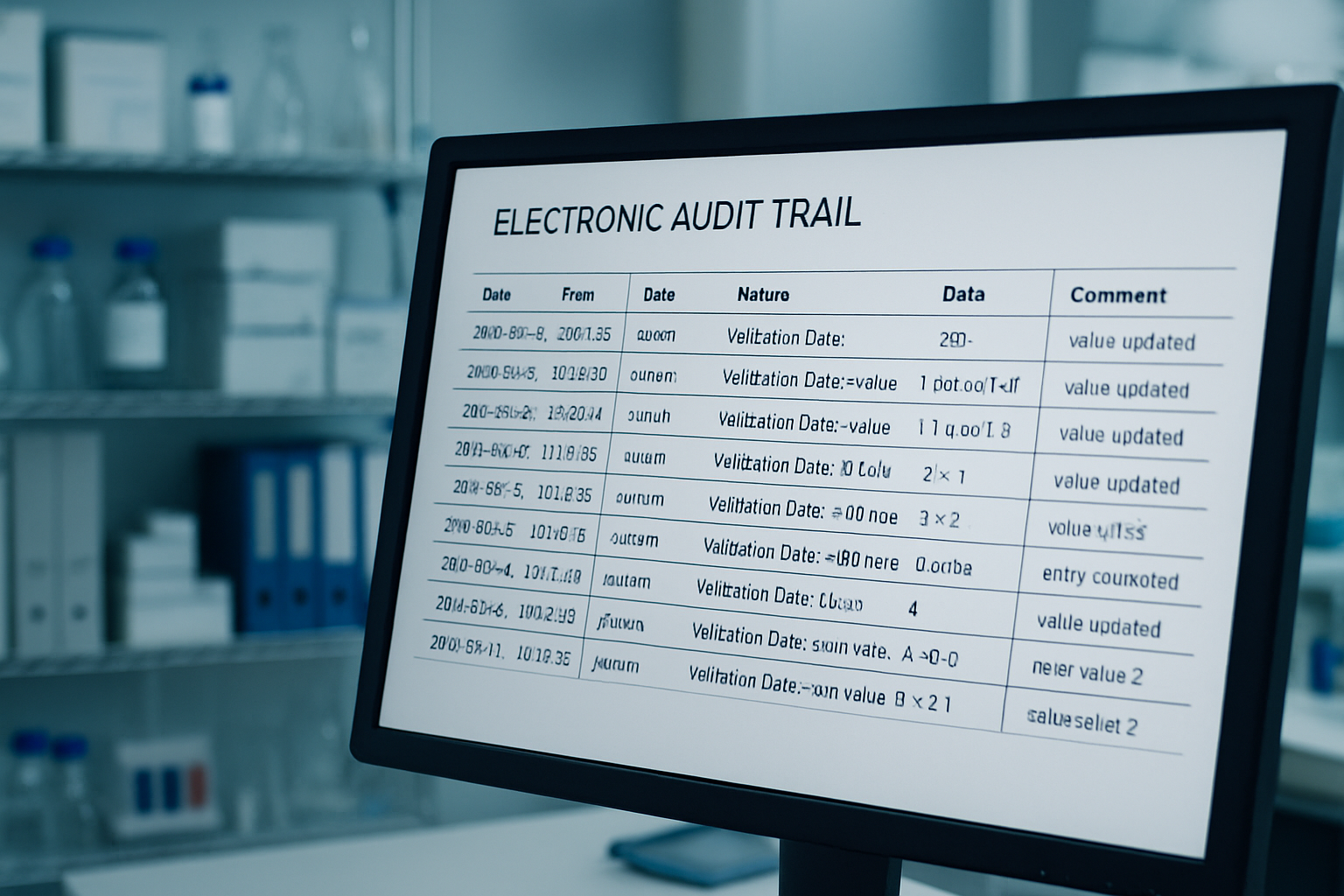
Audit trails are essential for tracking how electronic validation data is generated and modified. They should not be treated as an IT formality but rather as a critical component of the validation process. Key inquiries include:
- Who created the record?
- When was it created?
- Were any values modified?
- Who made the changes?
- What was the rationale for modifications?
A well-defined audit process is necessary to ensure that the existence of an audit trail genuinely supports data integrity.
Scrutinising Spreadsheets and Calculations
Spreadsheets are frequently employed for calculations and data analysis in validation efforts. However, they present risks that must be managed through proper validation safeguards. This includes:
- Implementing formula protection
- Version control
- Access restrictions
- Review of calculations
- Monitoring source data
For example, when using a spreadsheet to calculate temperature mapping statistics, the validation team must ensure traceability back to the original data points.
Addressing Missing or Altered Validation Data
Loading flowchart…
When data is missing or altered, it is critical to investigate the circumstances surrounding these discrepancies. The investigation should determine whether the issue is isolated or indicative of systemic problems. This may involve auditing records, reviewing training, and assessing the history of the equipment involved. The impact of such missing data on validation conclusions must also be evaluated carefully.
QA Review: Beyond Basic Checks
Quality Assurance (QA) must engage in a thorough review of validation documentation, going beyond mere signature checks. Important considerations include:
- Does the raw data support the results?
- Are records contemporaneous with the work performed?
- Are corrections clearly documented?
- Have audit trails been examined?
- Are calculations independently verified?
QA should be prepared to provide initial data if requested during inspections, reinforcing the need for comprehensive documentation.
Realistic Documentation Practices
Documentation must accurately reflect the events that transpired during validation. Avoiding the temptation to present
Comments (0)
Loading comments…
Checking sign-in status…