

Natural resources are vital for ecosystems and human activities, but their management faces challenges like overexploitation, pollution, and habitat loss. Population growth and modern lifestyles further strain these resources, highlighting the need for sustainable practices.
Natural resources are essential components of our ecosystem, offering value across various domains, including industry, culture, and aesthetics. These resources, which exist independently of human intervention, encompass sunlight, air, water, minerals, and biodiversity. Protecting natural resources is vital for maintaining ecological balance and sustainability.
Understanding Natural Resources
Natural resources can be classified based on various criteria. They are broadly categorized into renewable and non-renewable resources. Renewable resources, such as sunlight, wind, and biomass, can be replenished naturally over time, while non-renewable resources, like fossil fuels and minerals, exist in finite quantities. The extraction and processing of these resources are critical for producing goods and sustaining human activities, yet they require careful management to mitigate adverse impacts.
Challenges in Resource Management
Resource Exploitation
The extraction and use of natural resources pose significant challenges, primarily due to the tendency for overexploitation. This issue was exacerbated in the 19th century with advancements in mining and machinery that facilitated easier access to resources. The relentless demand for energy, particularly from fossil fuels, continues to cause detrimental effects on the environment, leading to habitat destruction and resource depletion.
Population Growth and Resource Strain
As the global population increases, the pressure on natural resources intensifies. This overexploitation can result in critical shortages of arable land, freshwater, and energy sources. Intensive agricultural practices, driven by this demand, contribute to the conversion of forests and grasslands into farmland, further endangering biodiversity and diminishing the quality of life.
Climate Change Impact
Human activities are significantly contributing to climate change, primarily through greenhouse gas emissions. These changes are altering ecosystems and threatening many species. As global temperatures rise, many organisms that depend on stable climatic conditions are facing extinction, particularly those in vulnerable habitats.
Pollution Threats

Natural resources are increasingly under threat from pollution stemming from industrial processes and agricultural runoff. Soil, air, and water contamination have severe long-term effects on the environment, diminishing the viability of natural resources. For instance, polluted water bodies may become inhospitable for aquatic life, disrupting local ecosystems and food chains.
Urban Development and Habitat Loss
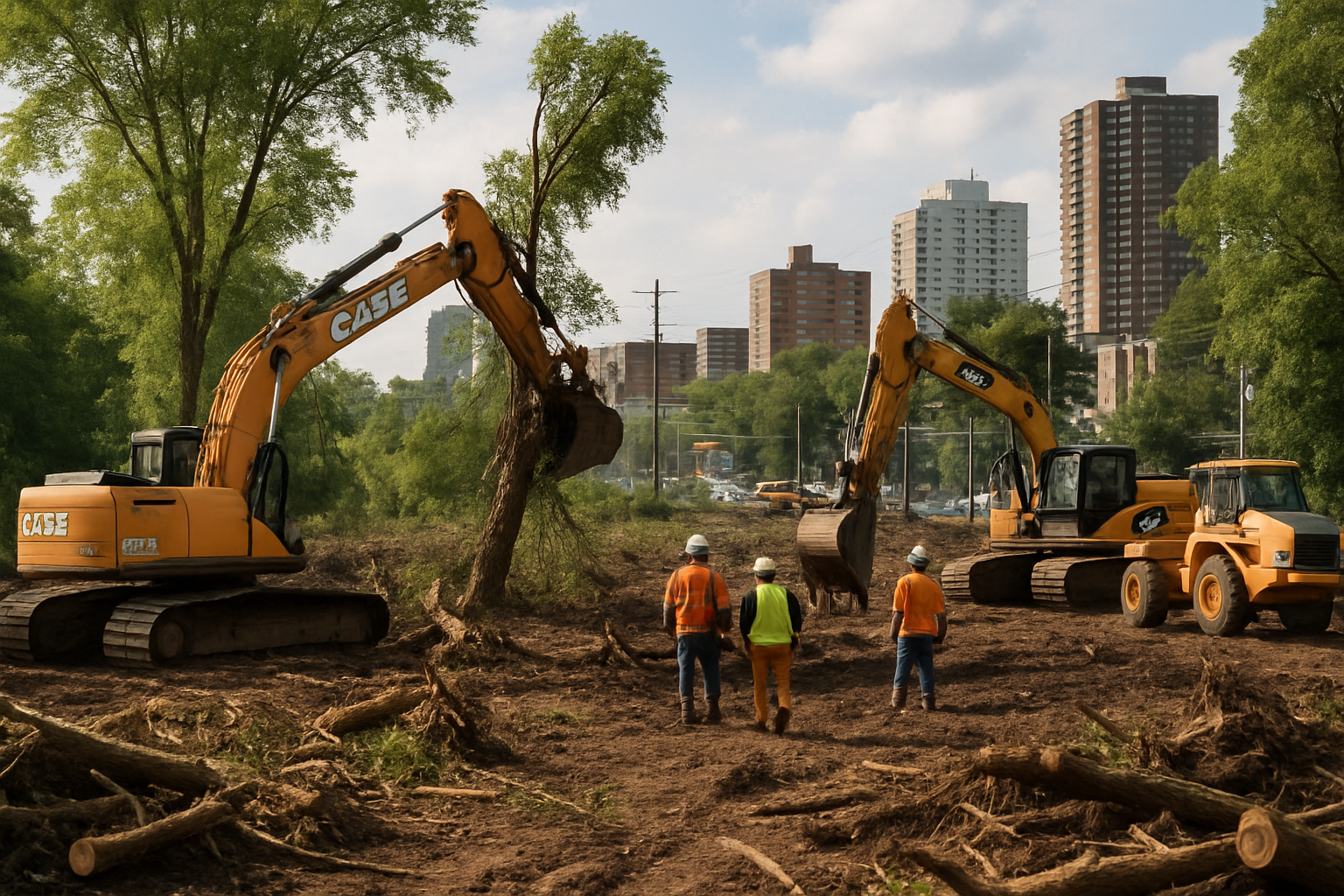
Urbanisation and land development are significant contributors to habitat loss. The transformation of natural landscapes into commercial and residential areas leads to deforestation and the fragmentation of ecosystems. This not only displaces wildlife but also reduces biodiversity, making it crucial to incorporate sustainability into development planning.
Modern Lifestyle and Resource Demand
The lifestyle choices of contemporary society are placing unprecedented demands on natural resources. The pursuit of higher living standards necessitates increased resource consumption, resulting in greater environmental strain. Emphasising sustainable practices and resource management is essential to address these challenges effectively.
Conclusion
Addressing the challenges associated with natural resource management requires a multifaceted approach that prioritises sustainability and environmental protection. By recognising the interconnectedness of human activities and natural resources, we can work towards more responsible usage and conservation strategies.
[[TABLE_1]]
Comments (0)
Loading comments…
Checking sign-in status…