
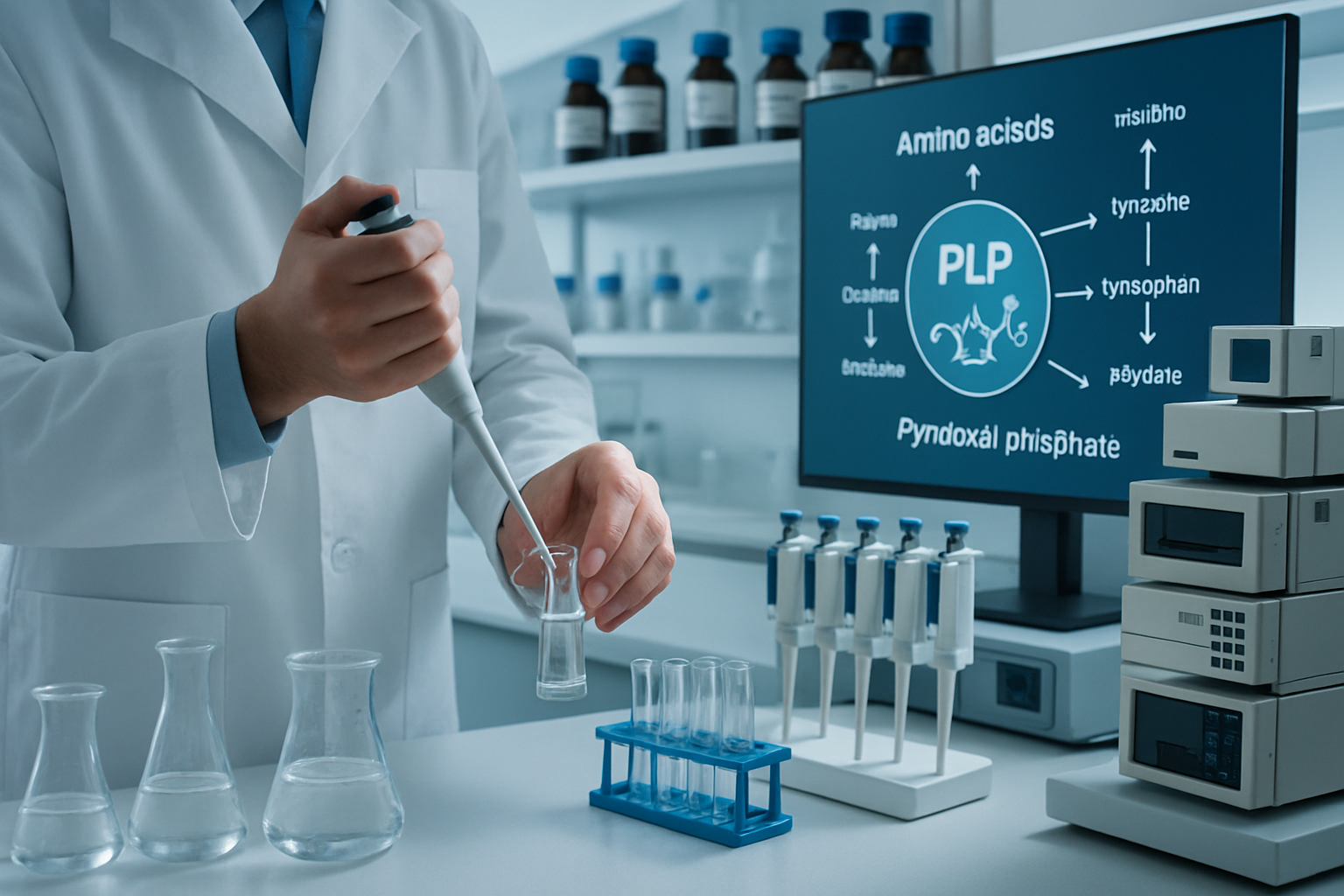
Amino acid metabolism involves transamination, deamination, and decarboxylation, each crucial for regulating and disposing of amino acids in the body. Key enzymes and coenzymes, such as PLP, facilitate these biochemical processes.
Amino acid metabolism encompasses various biochemical processes essential for maintaining physiological functions. The primary reactions include transamination, deamination, and decarboxylation, each playing a crucial role in the regulation and disposal of amino acids in the body.
Transamination Mechanism
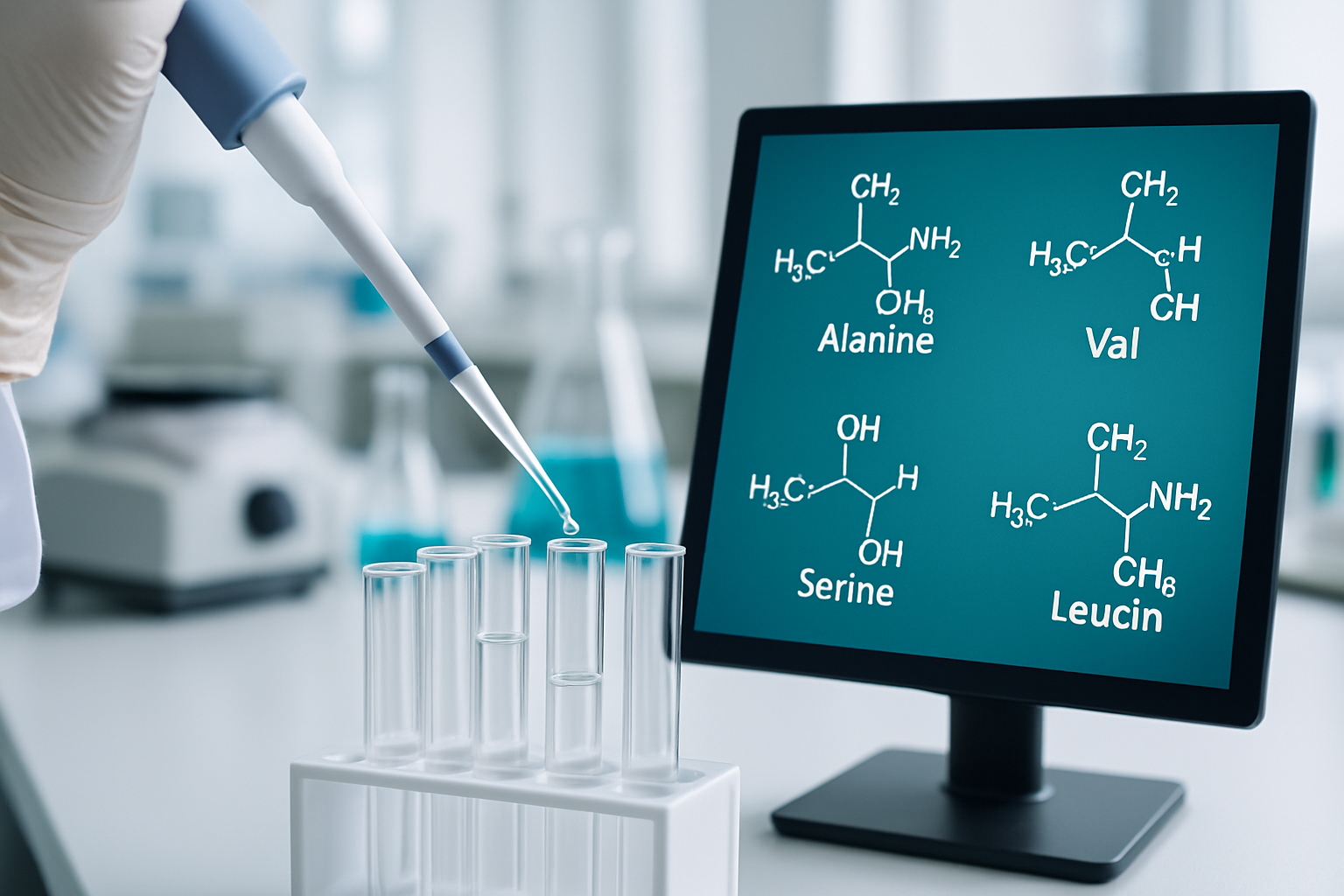
Transamination is a fundamental reaction in amino acid metabolism, where an amino group is transferred from one amino acid to another. This reaction is catalysed by aminotransferase enzymes, which can be specific to particular amino acids or act on a range of similar amino acids. For instance, linoleic acid can be converted into tryptophan through transamination.
In this process, an alpha-keto acid acts as a substrate, facilitating the transfer of the amino group. The structural difference between alpha-keto acids and alpha-amino acids lies in the presence of a keto group. The transamination reaction results in the formation of a new amino acid that can be utilised by the body. The aminotransferase enzyme, also referred to as transaminase, requires pyridoxal phosphate (PLP) as a coenzyme for its activity.
Pyridoxal Phosphate's Role
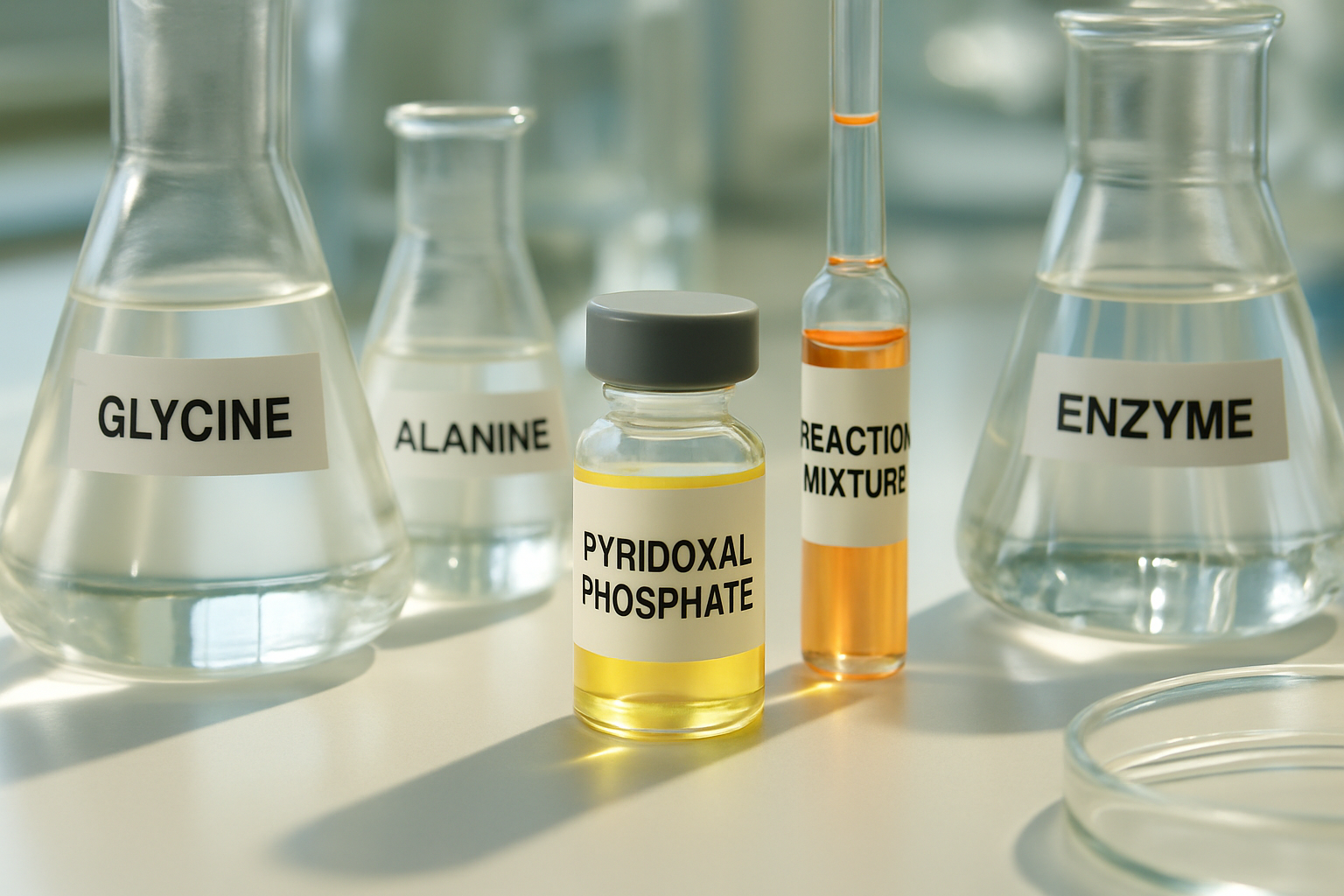
Pyridoxal phosphate is the active form of vitamin B6 and is pivotal in amino acid metabolism. It exists as an aldehyde and participates in transamination, decarboxylation, and deamination processes. The conversion of vitamin B6 into PLP occurs through phosphorylation of pyridoxine.
The interaction between PLP and an amino acid involves the formation of a Schiff base through a reaction with the aldehyde group. As a result, the amino group migrates, leading to the conversion of the aldimine into a ketamine, ultimately forming an alpha-keto acid through hydrolysis. The reverse reaction can regenerate an amino acid when pyridoxamine phosphate interacts with an alpha-keto acid.
Deamination Processes
Loading flowchart…
Deamination is essential for the removal of excess nitrogen from amino acids, a process that generates ammonia, which must be promptly converted to urea. This conversion occurs primarily in the liver and is energy-intensive. Transport of nitrogen from peripheral tissues to the liver involves three key amino acids: aspartate, glutamine, and alanine, which is synthesised from pyruvate.
Deamination can be categorised into three distinct types:
- Hydrolytic Deamination: This process involves the reaction of the amino group with water, leading to the irreversible attachment of a hydroxyl group. The enzyme glutaminase converts glutamine into glutamate, and it is also known as asparaginase, reflecting the structural similarities between these amino acids.
- Oxidative Deamination: Here, the amino group is oxidised to form an iminium group, producing Schiff bases similar to transamination. Coenzymes such as NADH and NADPH participate as electron acceptors.
- Eliminative Deamination: This reaction liberates a small amino acid, such as serine or cysteine, by removing nitrogen as ammonia and either water or hydrogen sulfide in the case of sulfur-containing amino acids. PLP is also involved in this process.
Decarboxylation Reactions
Decarboxylation involves the removal of a carboxyl group from an amino acid, resulting in the formation of an amine and carbon dioxide as by-products. This reaction is catalysed by decarboxylase enzymes, which also utilise PLP as a cofactor. The products of decarboxylation are significant biogenic amines that serve various roles in the human body.
For example, the decarboxylation of histidine yields histamine, a compound involved in allergic responses. The enzyme histidine decarboxylase facilitates this conversion. Other important biogenic amines produced through decarboxylation include gamma-aminobutyric acid (GABA), derived from glutamic acid, and dopamine, which originates from 3,4-dihydroxyphenylalanine.
Conclusion
Understanding these key processes—transamination, deamination, and decarboxylation—provides insight into the complex metabolism of amino acids and their vital roles in human health.
[[TABLE_1]]
Comments (0)
Loading comments…
Checking sign-in status…