
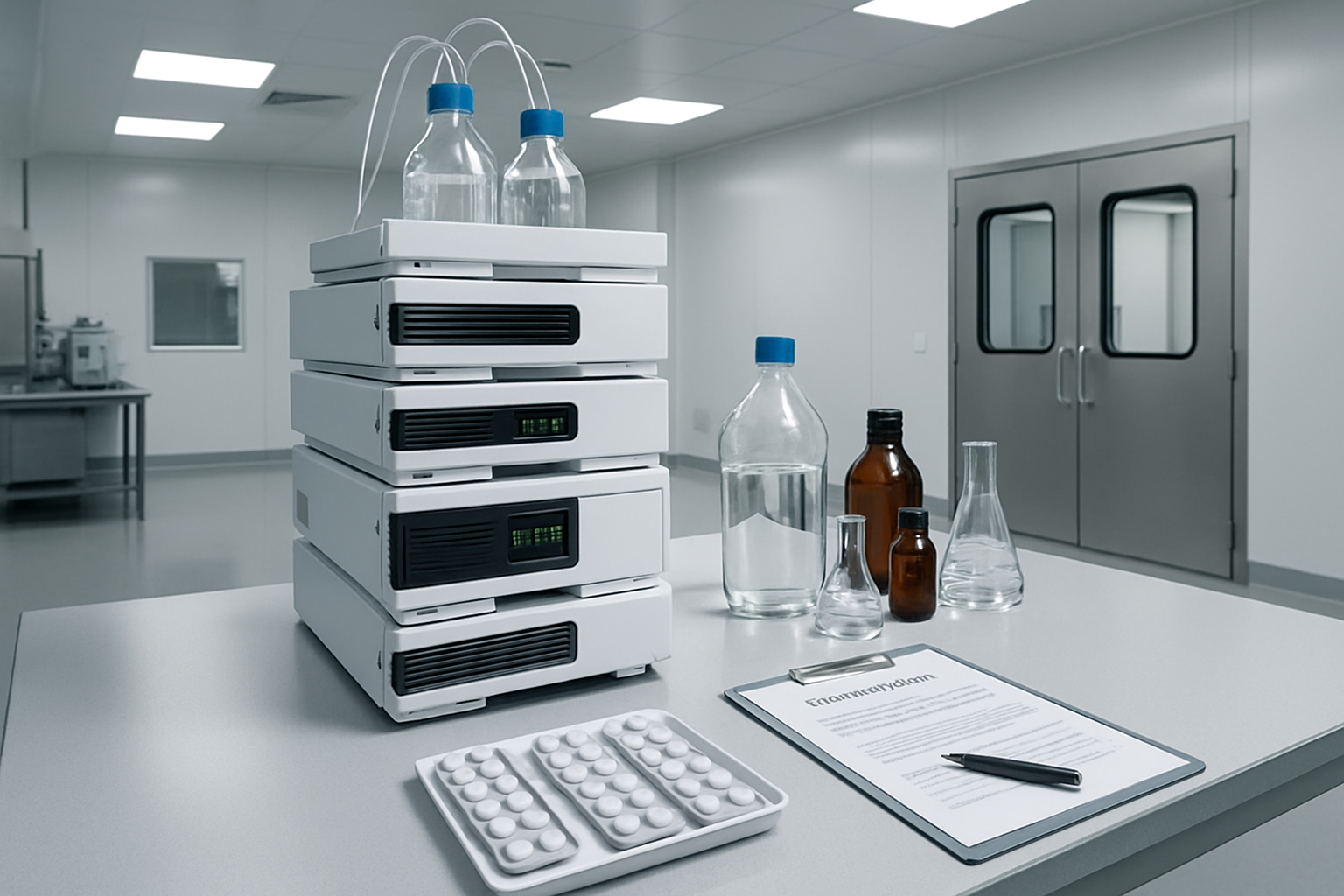
Deviations in pharmaceutical manufacturing can threaten product quality and safety. Understanding their types and implementing strategies for prevention and resolution is crucial for maintaining compliance and quality assurance.
Deviations in pharmaceutical manufacturing can pose significant threats to product quality, patient safety, and regulatory adherence. They may stem from various sources such as equipment malfunctions, human errors, or raw material inconsistencies. If not addressed promptly and effectively, these deviations can lead to batch rejections, regulatory scrutiny, or reputational damage. Thus, a robust understanding of how to prevent, identify, and resolve manufacturing deviations is essential for any quality assurance system.
Understanding Manufacturing Deviations

A manufacturing deviation is any variance from established procedures, batch processes, or approved instructions. Deviations can be classified as planned, involving pre-approved changes, or unplanned, arising unexpectedly during production.
Types of Manufacturing Deviations
- Process Deviations: Departures from validated process parameters.
- Equipment Deviations: Issues related to uncalibrated instruments or equipment failures.
- Material Deviations: Use of incorrect or unapproved raw materials.
- Documentation Deviations: Errors in log books or batch manufacturing records.
- Environmental Deviations: Excursions in controlled conditions like temperature, humidity, or contamination.
Strategies to Minimise Manufacturing Deviations
1. Develop Comprehensive SOPs and Batch Records
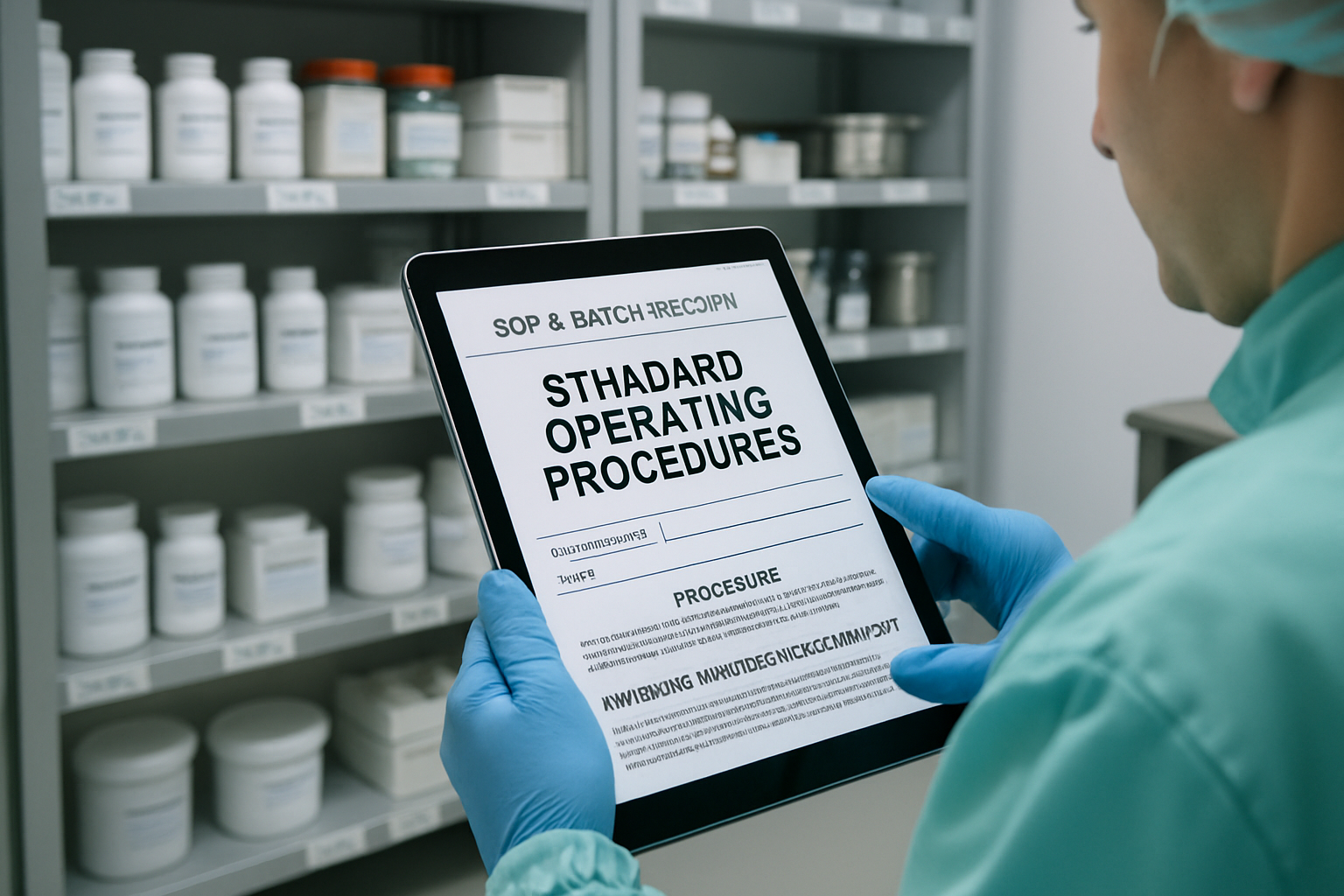
Standard Operating Procedures (SOPs) should be clearly defined and logically structured, incorporating diagrams and decision trees where necessary. Involve operators in the creation of SOPs to ensure practical insights are included. Well-constructed procedures are key to reducing human error and enhancing compliance.
2. Implement Effective Training Programs
Personnel should be thoroughly trained prior to initiating any processes. Regular refresher training should occur, especially after deviations or process changes. A training matrix can help monitor role-specific training coverage, and post-training assessments are vital to maintaining competence.
3. Establish a Preventive Maintenance Framework
Creating a preventive maintenance and calibration schedule is essential. Utilising a computerized maintenance management system can aid in tracking compliance with maintenance activities while ensuring that equipment status aligns with calibration records.
4. Enforce a Rigorous Change Control Protocol
All modifications to processes, equipment, materials, or methods should pass through a formal change control system. Risk assessments must evaluate potential impacts, and informal changes should be strictly avoided to prevent deviations.
5. Enhance Environmental Monitoring Practices
Regular monitoring of cleanroom environments for both visible and non-visible particulate counts is crucial. Alert and action limits should be established for various parameters such as temperature and humidity. Immediate investigation and response to deviations in these conditions are essential to prevent contamination.
Overview: 6. Conduct Mock Drills and Gemba Walks
Regular mock drills for deviation responses prepare teams to address real-time issues effectively. Gemba walks, or direct observations on the shop floor, can reveal non-compliance indicators. Document any findings and gaps identified during these activities.
Strategies for Effectively Addressing Deviations
Loading flowchart…
Even with robust systems in place, deviations may still occur. A swift and comprehensive investigation can mitigate potential recurrence.
1. Immediate Containment Procedures
Upon discovering a deviation, isolate the affected product, equipment, or areas, and quarantine impacted materials if necessary. Notify the quality assurance department immediately.
2. Prompt Documentation
Record the deviation in a deviation log, capturing the 5W+1H—What, When, Where, Who, Why, and How. Include details such as equipment used and product batch numbers to ensure that accurate data is available for subsequent investigations.
Overview: 3. Conduct Root Cause Analysis
Utilise root cause analysis tools to pinpoint the fundamental issue behind the deviation. Techniques such as 5 Whys, Fishbone Diagrams, and Fault Tree Analysis can aid in identifying the source rather than just the symptoms of the problem.
4. Accurate Classification of Deviations
Deviations should be categorised as follows:
- Minor: No impact on product quality or patient safety.
- Major: Potential impact on product quality or process performance.
- Critical: Definite impact on safety, efficacy, or compliance.
5. Assessing Product Impact and Risks
Evaluate whether the deviation could compromise product quality, affect batch traceability, or lead to contamination. Risk assessment tools such as failure mode effects analysis can help determine the appropriate disposition of the batch, whether it is released, reprocessed, or rejected.
Overview: 6. Implementation of Corrective and Preventive Actions (CAPA)
Corrective actions should address current issues, while preventive actions aim to eliminate recurrence. All actions taken must adhere to the SMART criteria—Specific, Measurable, Achievable, Relevant, and Time-bound. Regulatory bodies require that actions are systematic and data-driven.
7. Effectiveness Monitoring
Post-implementation of CAPA, it is vital to establish a review timeline—be it 30, 60, or 90 days—to reassess the process or equipment. Cultivating a culture of deviation awareness encourages operators to report errors and view them as learning opportunities. Sharing insights and lessons learned across departments fosters an environment of continuous improvement.
Effectively managing deviations not only meets regulatory expectations but also fortifies the quality assurance framework of the organisation.
Comments (0)
Loading comments…
Checking sign-in status…