Chemical Properties and Applications of Organic Acids
Organic acids are crucial in pharmaceuticals, food production, and cleaning. Their chemical structures and applications vary widely, impacting quality assurance in the industry.


Organic acids are crucial in pharmaceuticals, food production, and cleaning. Their chemical structures and applications vary widely, impacting quality assurance in the industry.
The pineal gland regulates circadian rhythms and melatonin production, while the thymus is essential for T cell development and immune response. Both glands can be affected by various disorders impacting their functions.
Glycolysis is the initial step in cellular respiration, breaking down glucose into pyruvate to generate ATP and NADH, crucial for energy production in various organisms. It operates in the cytosol without oxygen, highlighting its evolutionary importance and versatility in metabolism.
Dirty hold time studies assess the maximum duration manufacturing equipment can remain uncleaned, evaluating residue removability and associated risks. These studies require careful methodology, sampling, and analysis to ensure effective cleaning validation in pharmaceutical production.
Cholesterol is essential for cell membrane structure, bile acid synthesis, and steroid hormone production, playing a complex role in health and disease. Its biosynthesis involves multiple metabolic pathways, and its conversion to bile acids aids in fat digestion and cholesterol regulation.

Purine metabolism is crucial for uric acid production, impacting conditions like hyperuricemia and gout. Elevated uric acid can lead to joint pain and inflammation, often triggered by dietary factors.
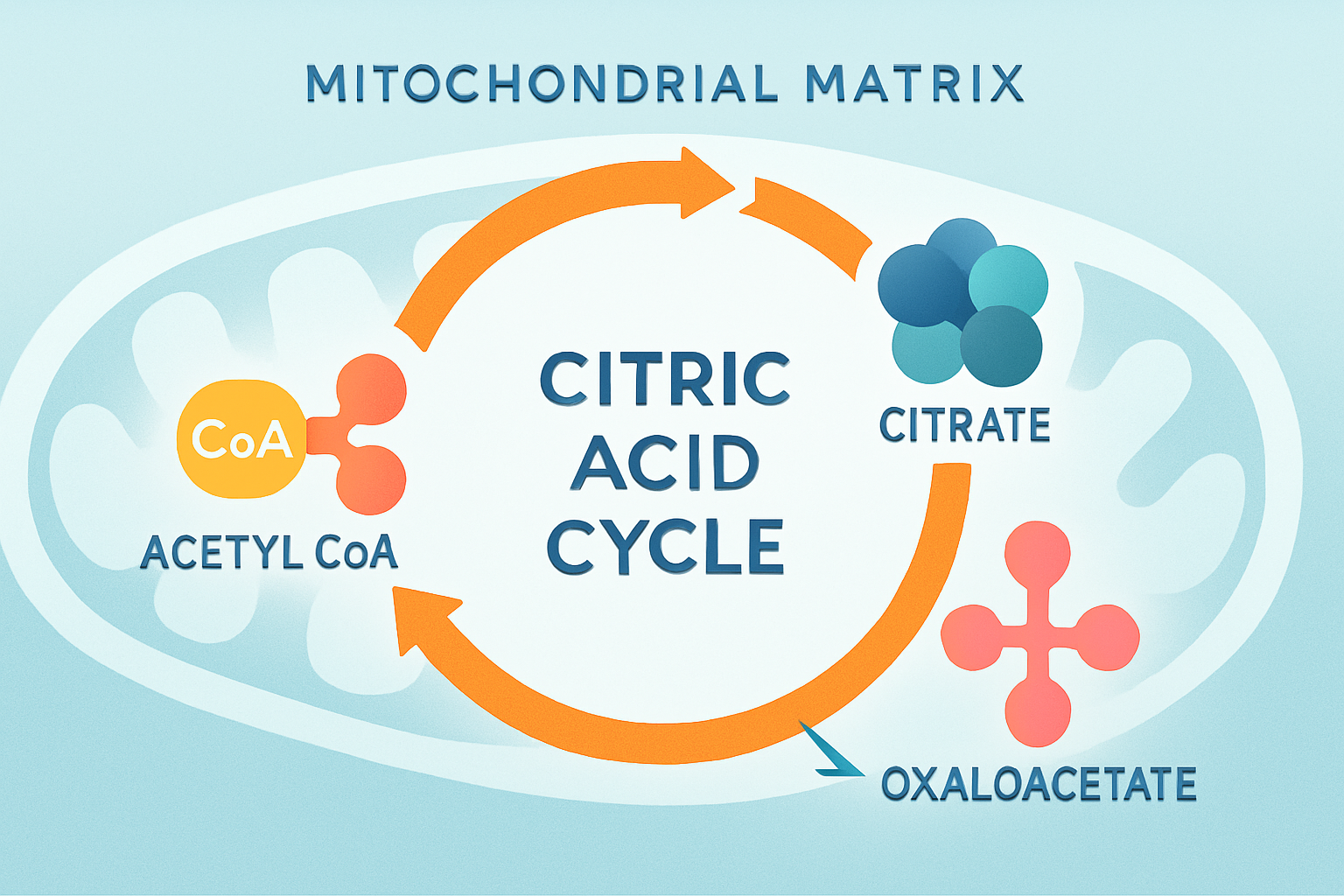
The citric acid cycle, or Krebs cycle, is vital for energy production and metabolic pathways, converting acetyl CoA into energy-rich molecules and intermediates for various biosynthetic processes. It occurs in the mitochondrial matrix and involves a series of enzymatic reactions that regenerate oxaloacetate.

Validation in the pharmaceutical industry requires collaboration among Quality Assurance, Quality Control, Production, and Engineering, each with distinct roles. Clear definitions of responsibilities and effective communication are essential to ensure compliance and quality throughout the validation process.
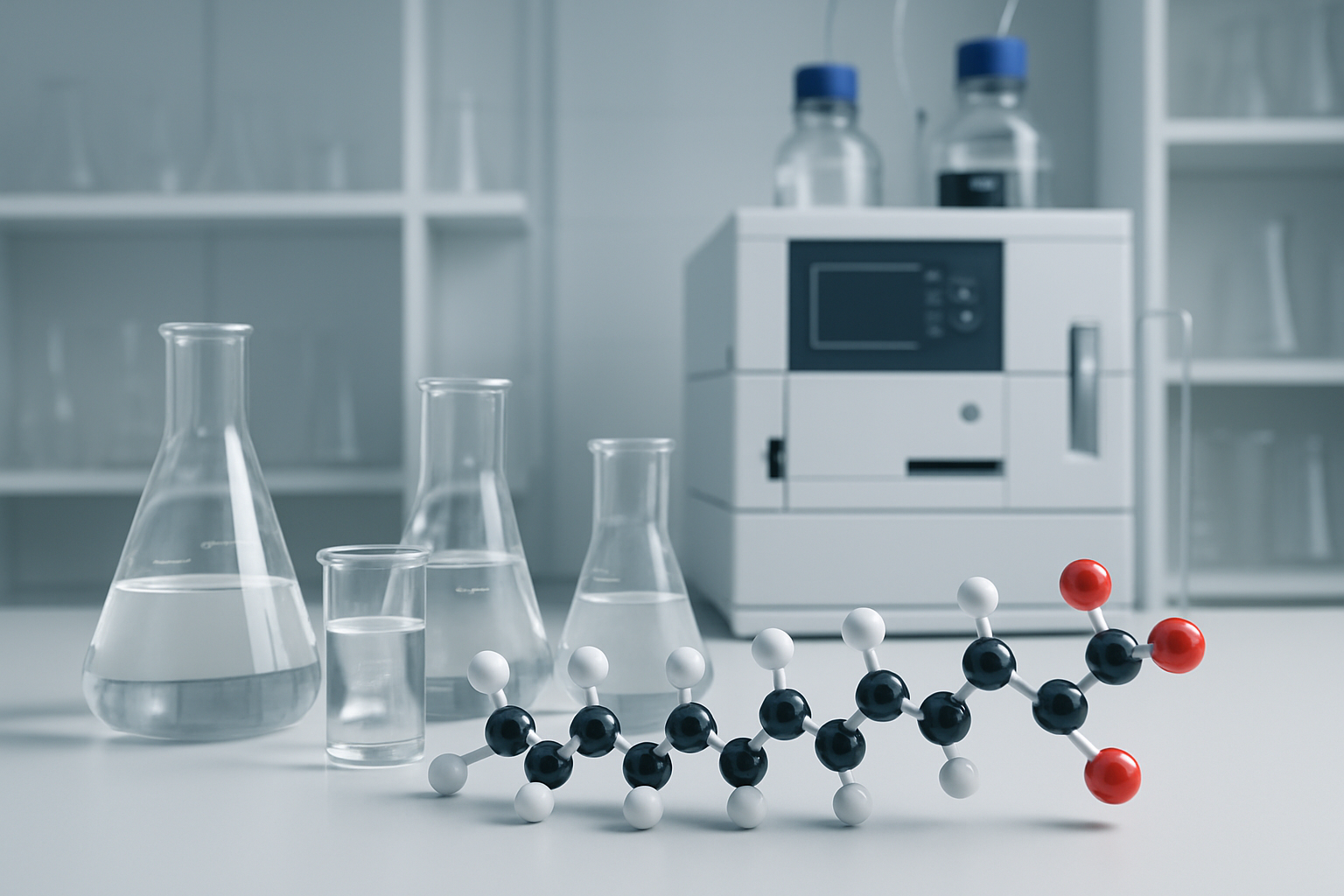
The de novo synthesis of fatty acids, especially palmitic acid, involves acetyl-CoA and malonyl CoA, occurring mainly in adipose tissue, liver, and kidneys. The process includes stages of production, conversion, and reactions by the fatty acid synthase complex.
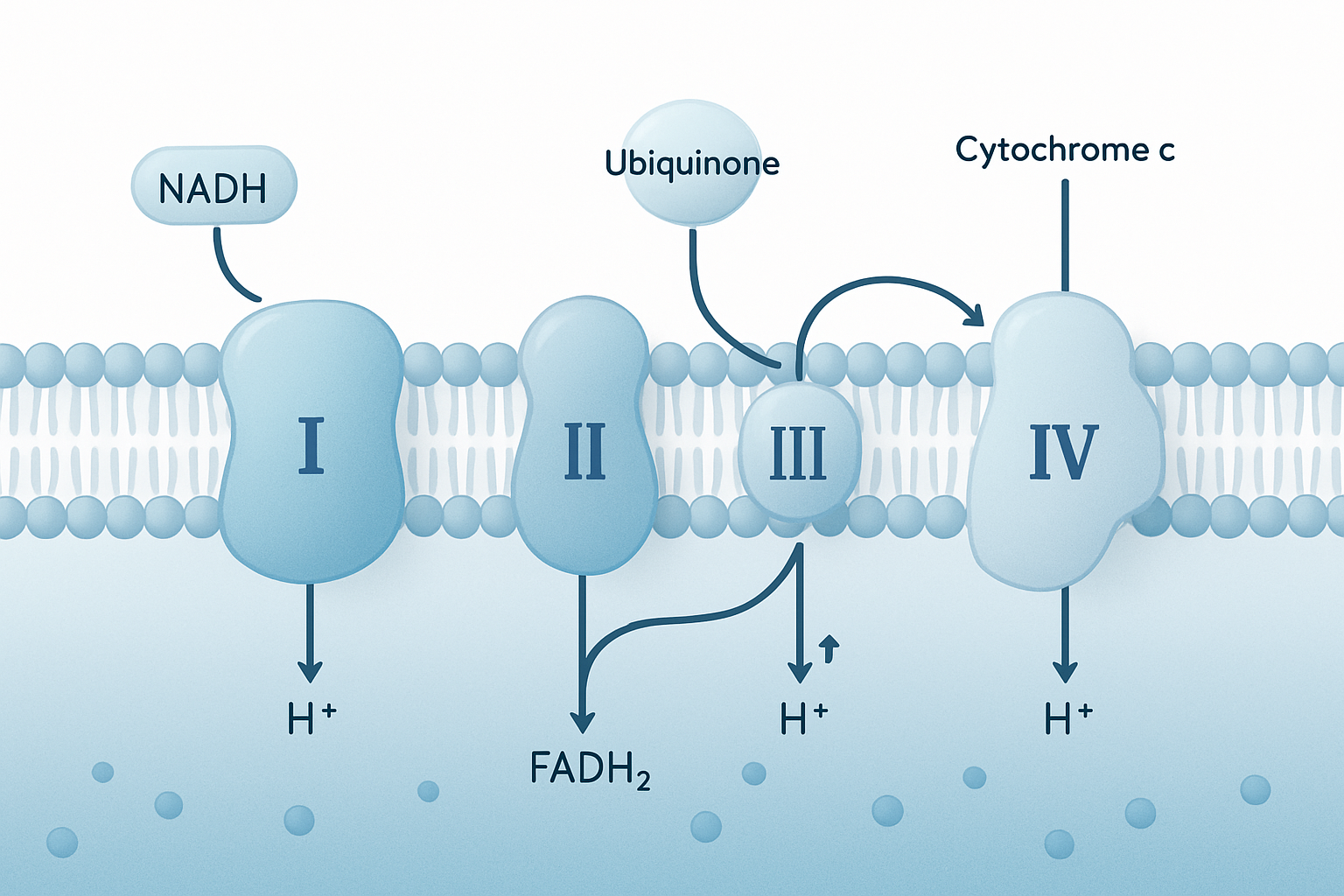
The electron transport chain (ETC) is vital for ATP production during cellular respiration, primarily through redox reactions and proton gradients. It consists of four protein complexes that facilitate electron transfer and culminate in the reduction of oxygen to water, significantly contributing to ATP synthesis.
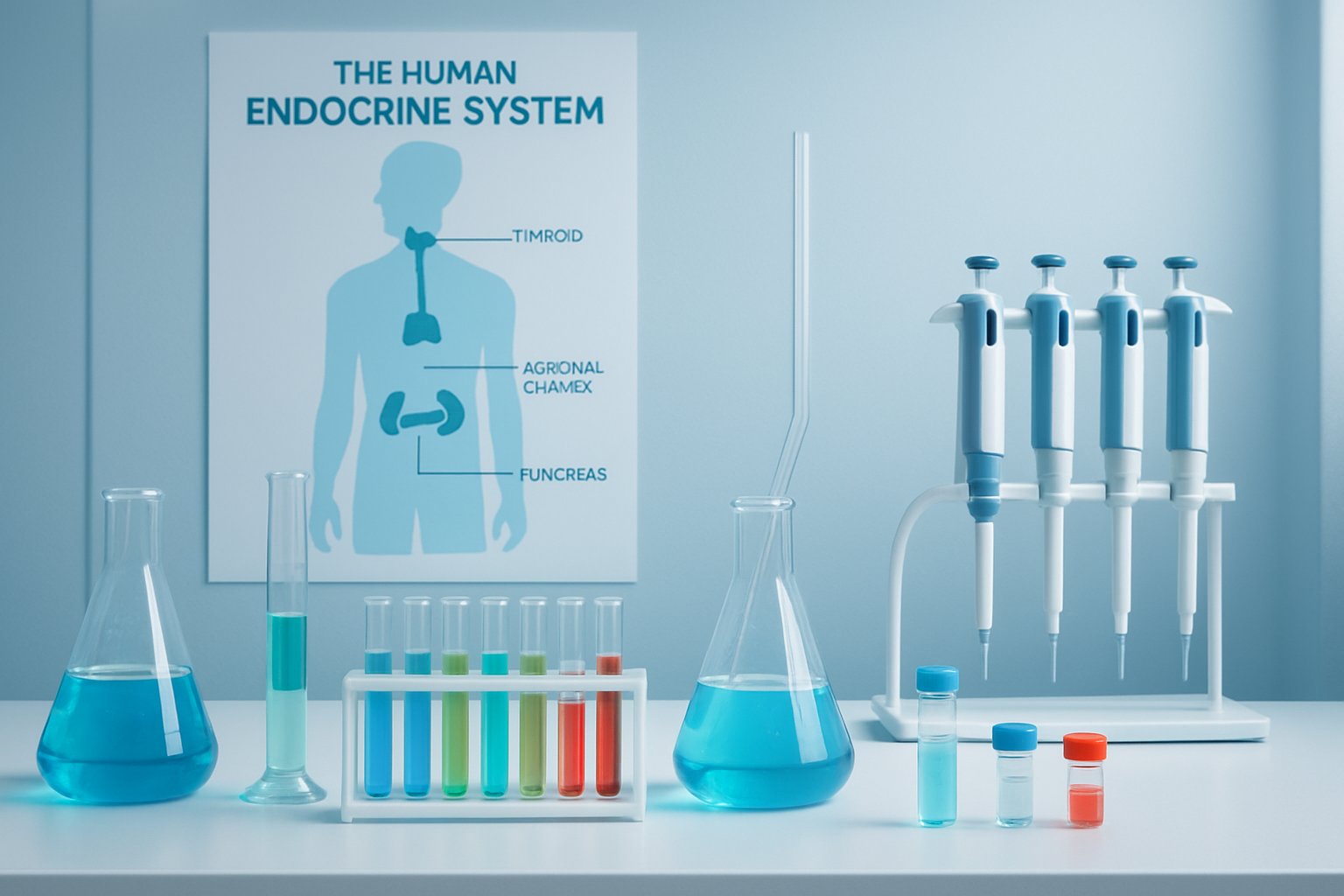
The endocrine system maintains homeostasis through glands that secrete hormones, regulating mood, growth, metabolism, and reproduction. Disruptions in hormone production can lead to significant health issues.
A well-defined validation strategy in pharmaceutical production ensures that equipment, processes, and cleaning methods are suitable and controlled throughout their lifecycle. It requires integrating product knowledge with risk management principles and ongoing monitoring to maintain validation status.

Electron transport chain inhibitors disrupt ATP production and cellular metabolism. The article discusses various compounds, including rotenone, pieridine A, and barbiturates, detailing their mechanisms and implications for cellular respiration.
Phosphorylation processes are vital for ATP production in cellular energy metabolism, encompassing oxidative phosphorylation in mitochondria and substrate-level phosphorylation in the cytoplasm. Each mechanism operates differently, contributing to the overall energy balance in cells.