
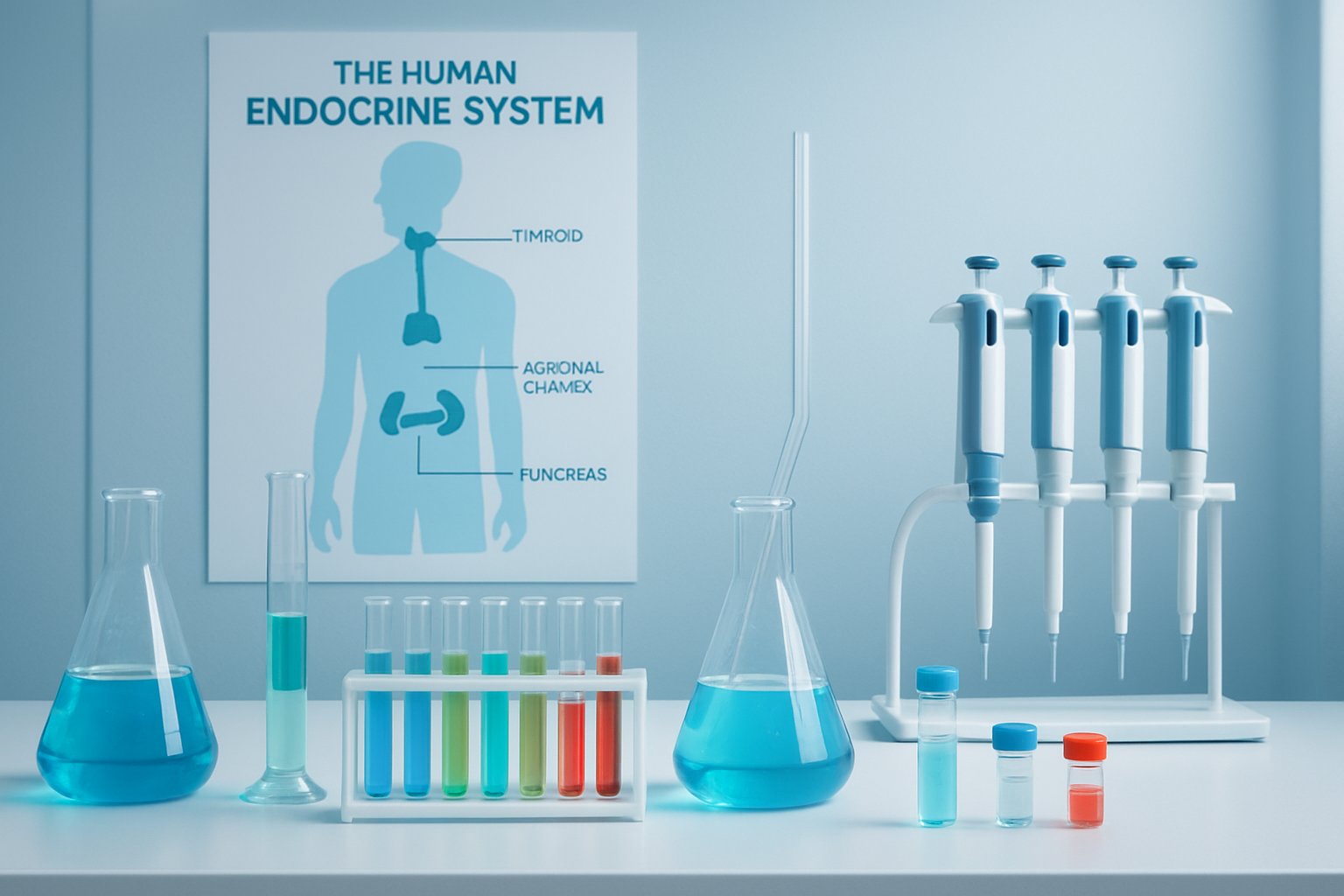
The endocrine system maintains homeostasis through glands that secrete hormones, regulating mood, growth, metabolism, and reproduction. Disruptions in hormone production can lead to significant health issues.
The endocrine system plays a vital role in maintaining homeostasis within the body. It consists of a network of glands that secrete hormones directly into the bloodstream, which then travel to organs and tissues to regulate numerous physiological processes.
Role of Hormones in the Body
Hormones are biochemical messengers that influence a wide range of functions. They are crucial for:
- Regulating mood and emotional responses
- Controlling growth and development
- Managing metabolism and energy levels
- Overseeing reproductive functions
Any disruption in hormone production can lead to significant health issues, such as weight gain, energy depletion, or reproductive difficulties.
Components of the Endocrine System
The endocrine system is composed of several key glands, each with specific functions:
Glands in the Brain
The hypothalamus, pituitary gland, and pineal gland are located in the brain. They coordinate the body's hormonal responses.
Thyroid and Parathyroid Glands
Situated in the neck, the thyroid gland regulates metabolism through thyroid hormones, while the parathyroid glands manage calcium levels in the body.
Thymus and Adrenal Glands
Located between the lungs, the thymus is essential for immune function, especially in children. The adrenal glands, responsible for producing adrenaline and corticosteroids, are vital for stress response and metabolism.
Pancreas
The pancreas serves dual functions in digestion and hormone production. It produces insulin and glucagon, which are critical for maintaining blood sugar levels. Insufficient insulin production can lead to diabetes, a condition that affects blood sugar regulation.
Reproductive Glands
The ovaries and testes are responsible for producing sex hormones. Ovaries secrete estrogen and progesterone, which regulate female reproductive functions, while testes produce testosterone, influencing male development and reproductive capabilities.
Key Hormonal Functions
Each gland produces specific hormones that serve distinct functions:
Hypothalamus
This gland connects the endocrine and nervous systems, regulating the pituitary gland's hormone production.
Pituitary Gland
Known as the master gland, it directs other glands by releasing hormones like growth hormone and adrenocorticotropic hormone (ACTH), which stimulates the adrenal glands.
Thyroid Gland
Thyroid hormones significantly affect metabolism. An imbalance can lead to conditions like hypothyroidism or hyperthyroidism, which have various symptoms, including changes in weight and energy levels.
Adrenal Glands
These glands produce adrenaline, which prepares the body for 'fight-or-flight' situations, and corticosteroids, which help manage stress and inflammation.
Reproductive Hormones
Estrogen and progesterone from the ovaries regulate the menstrual cycle and pregnancy, while testosterone from the testes is crucial for male characteristics and reproductive health.
Conclusion
The endocrine system is integral to maintaining balance within the body. Understanding its components and functions is essential for recognising how hormonal imbalances can impact overall health.
Comments (0)
Loading comments…
Checking sign-in status…