
Purine metabolism is crucial for uric acid production, impacting conditions like hyperuricemia and gout. Elevated uric acid can lead to joint pain and inflammation, often triggered by dietary factors.
The metabolism of purine nucleotides plays a significant role in human biochemistry, particularly concerning the production of uric acid and its implications for health. Understanding this process is crucial for diagnosing and managing conditions like hyperuricemia and gout.
Mechanisms of Purine Nucleotide Breakdown
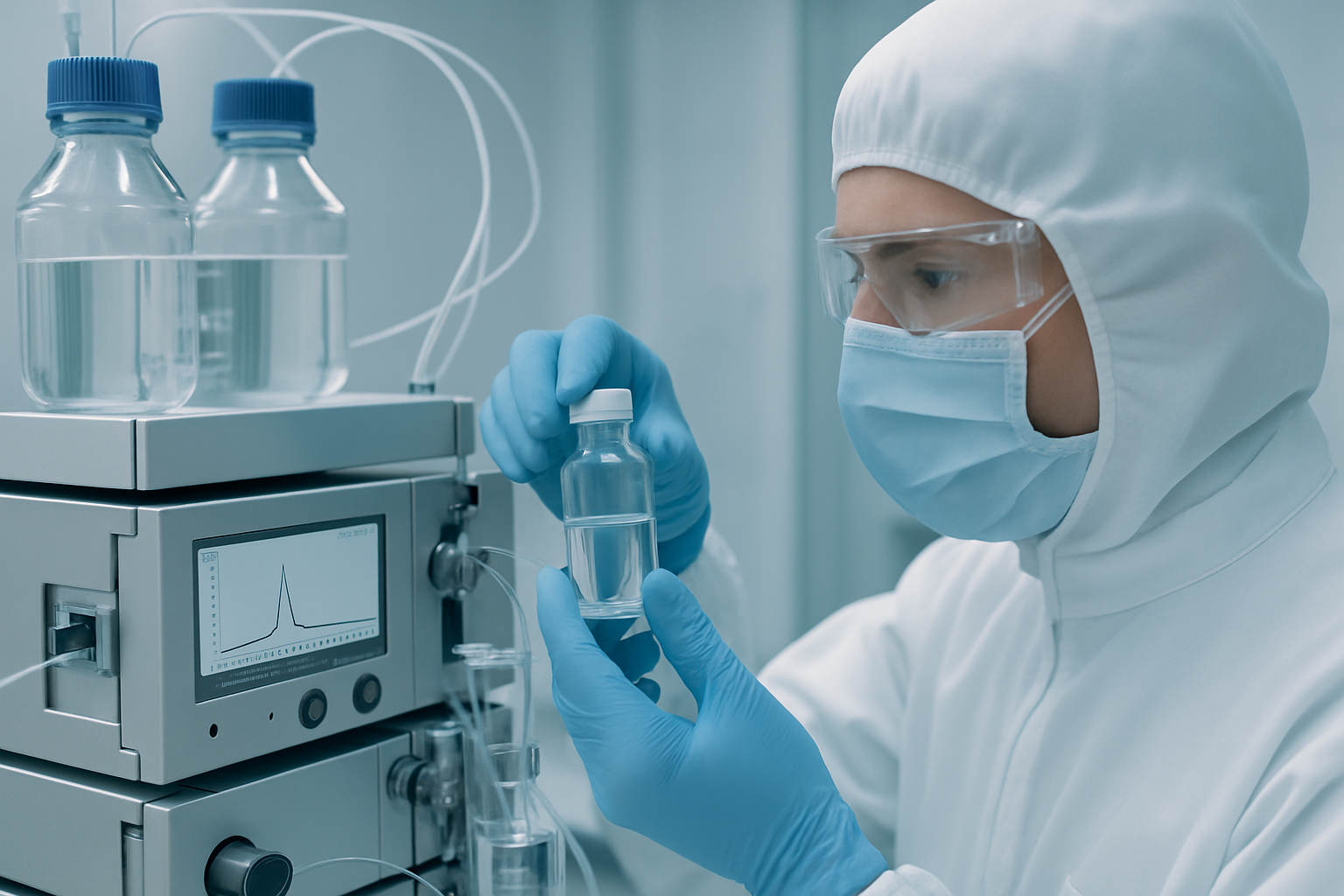
The catabolism of purine nucleotides involves a series of biochemical reactions that convert these compounds into uric acid. This process includes phosphorolysis and the salvage pathways that transform purine nucleosides and nucleotides into their monophosphate forms. Enzymatic activities, particularly those of phosphorylase and adenosine deaminase, are essential for this catabolic pathway. Deficiencies in these enzymes can lead to metabolic disorders and complications such as immunodeficiency.
In humans, the final product of purine catabolism is uric acid, as humans lack the enzyme urate oxidase, which is present in many other animals and converts uric acid into the more soluble allantoin. Uric acid is primarily produced in the liver and excreted through the kidneys into urine.
Hyperuricemia: A Clinical Overview
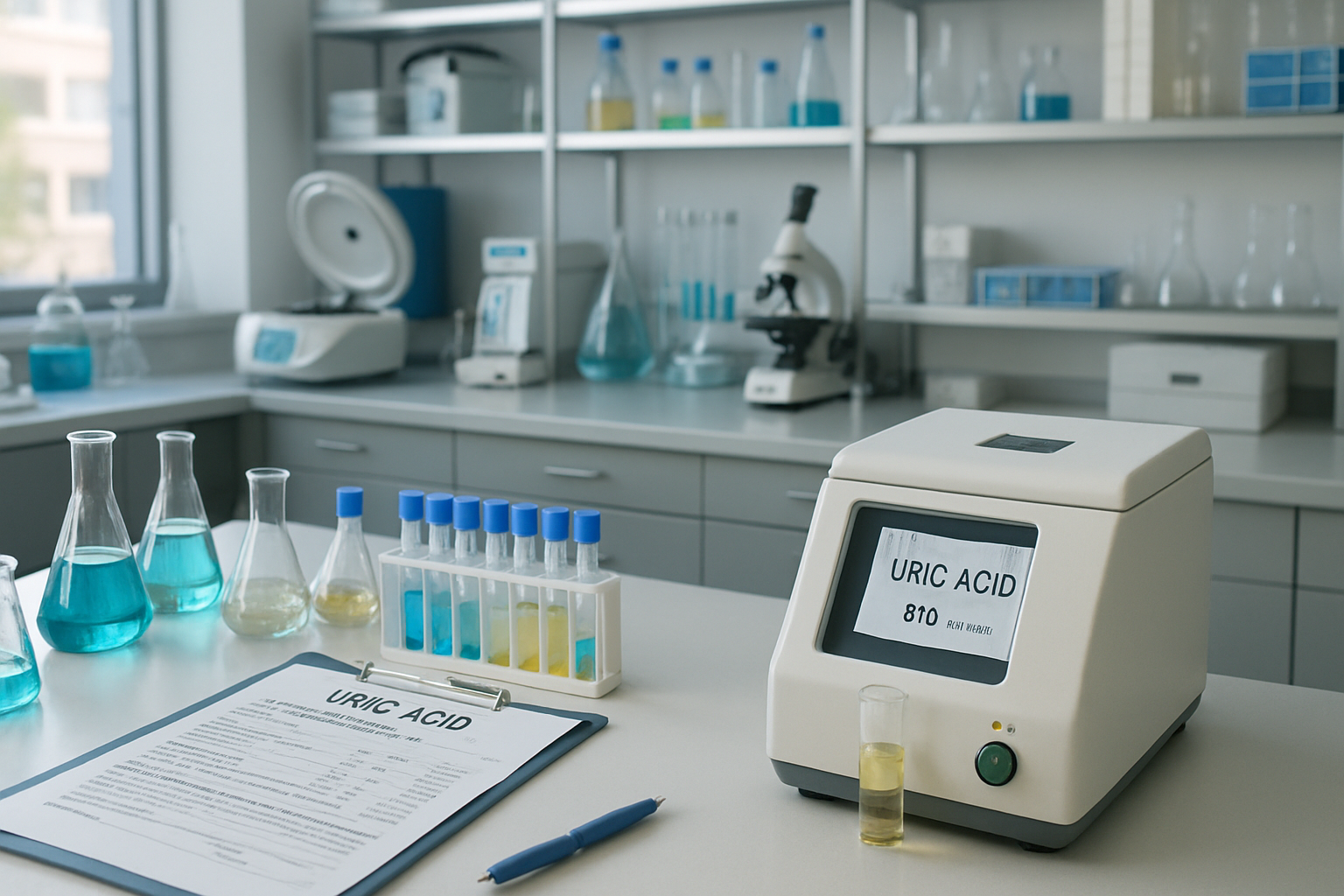
Hyperuricemia refers to elevated levels of uric acid in the blood, typically defined as exceeding 7 mg/dL. Although often asymptomatic, hyperuricemia can lead to the formation of sodium urate crystals in joints and tissues, resulting in significant discomfort and potential joint damage. The normal serum uric acid concentration ranges from 2.4 to 6.0 mg/dL in females and 3.4 to 7.0 mg/dL in males, although these values may vary between laboratories.
Identifying Symptoms of Hyperuricemia
While hyperuricemia itself may not present symptoms, its complications can manifest in various ways, including:
- Severe pain in the joints
- Joint stiffness
- Limited range of motion
- Redness and swelling in affected areas
Factors Contributing to Hyperuricemia
Hyperuricemia can be classified into primary and secondary causes:
- Primary Hyperuricemia: Results from increased synthesis of uric acid, often due to excessive dietary purine intake or metabolic disorders.
- Secondary Hyperuricemia: Associated with conditions such as renal disease, malignancies, or the effects of certain medications that increase uric acid production or decrease its excretion.
Notably, many individuals with elevated uric acid levels may not develop gout, as only about 20% of those with high uric acid levels experience gout symptoms.
Gout: An Overview
Gout is a complex form of arthritis characterised by sudden and severe pain, primarily affecting the joints, with the big toe being the most commonly involved site. Gout attacks often occur unexpectedly, frequently at night, and can be triggered by factors such as dietary choices and alcohol consumption.
Recognising Gout Symptoms
The symptoms of gout typically emerge rapidly and include:
- Intense joint pain
- Persistent discomfort
- Inflammation and redness
- Restricted movement of the affected joint
Understanding the Causes of Gout
Gout results from the accumulation of urate crystals in the joints due to elevated uric acid levels. This condition can arise from excessive dietary purines found in foods such as red meat, organ meats, and certain seafood, as well as from alcoholic beverages and sugary drinks. When uric acid levels exceed the body's excretion capacity, crystals form, leading to painful inflammation.
In summary, the metabolism of purines ultimately leads to the production of uric acid, which, when accumulated, can result in hyperuricemia and gout. Understanding these metabolic pathways and their clinical implications is essential for effective management and treatment of these conditions.
Comments (0)
Loading comments…
Checking sign-in status…