
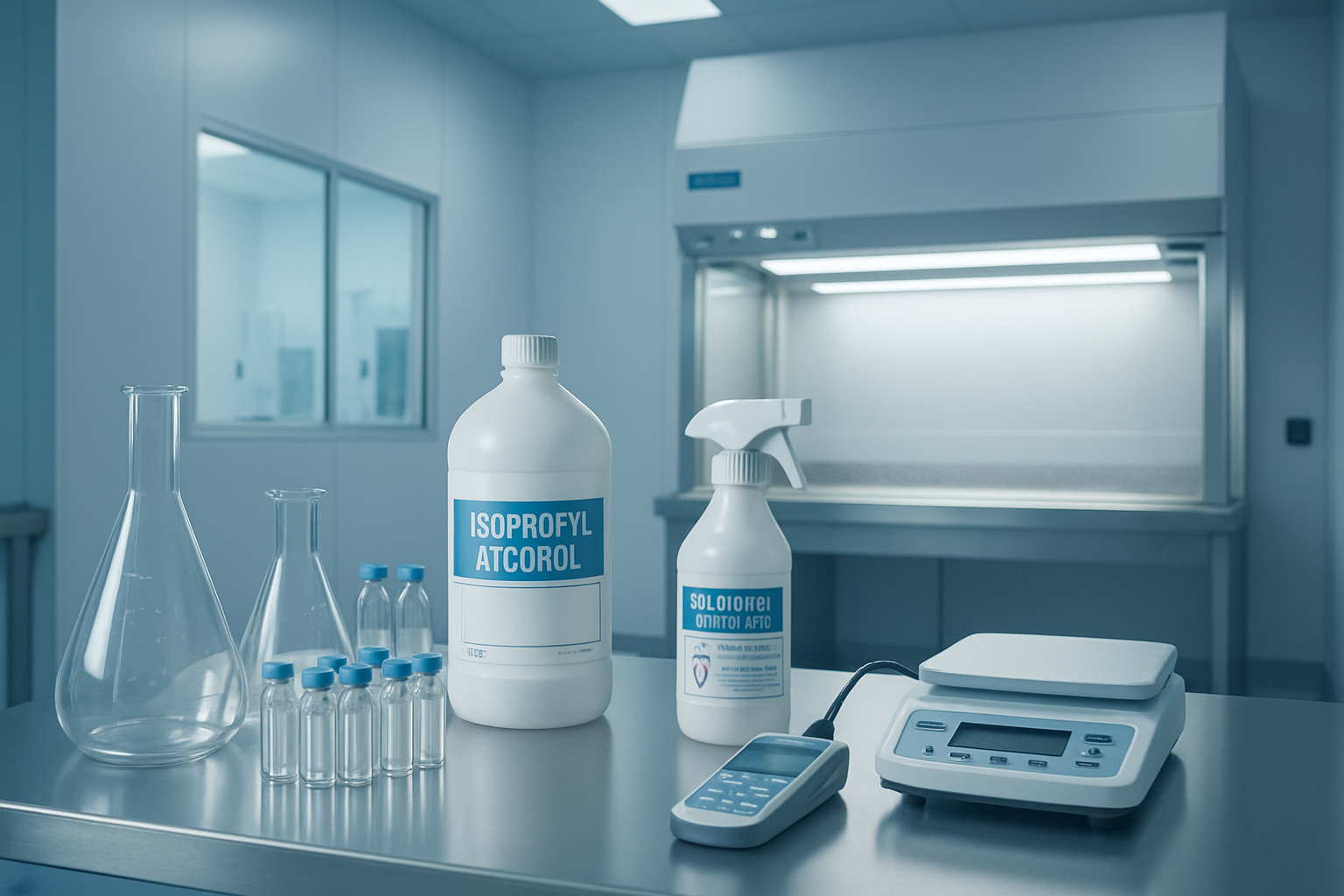
Cleaning protocols in sterile pharmaceutical manufacturing are essential for maintaining contamination control and regulatory compliance. The article outlines various cleaning types, strategies, and monitoring techniques necessary for effective cleaning in cleanroom environments.
In the pharmaceutical sector, the manufacturing of sterile products such as injectable drugs and vaccines occurs in cleanroom environments. These areas must maintain stringent cleanliness standards, free from visible contaminants and microorganisms. Effective cleaning and sanitization are not mere routine tasks; they are vital for controlling contamination and satisfying regulatory requirements. This article provides insights into the cleaning procedures, best practices, and compliance measures essential for maintaining sterile manufacturing areas.
Significance of Cleaning in Sterile Settings
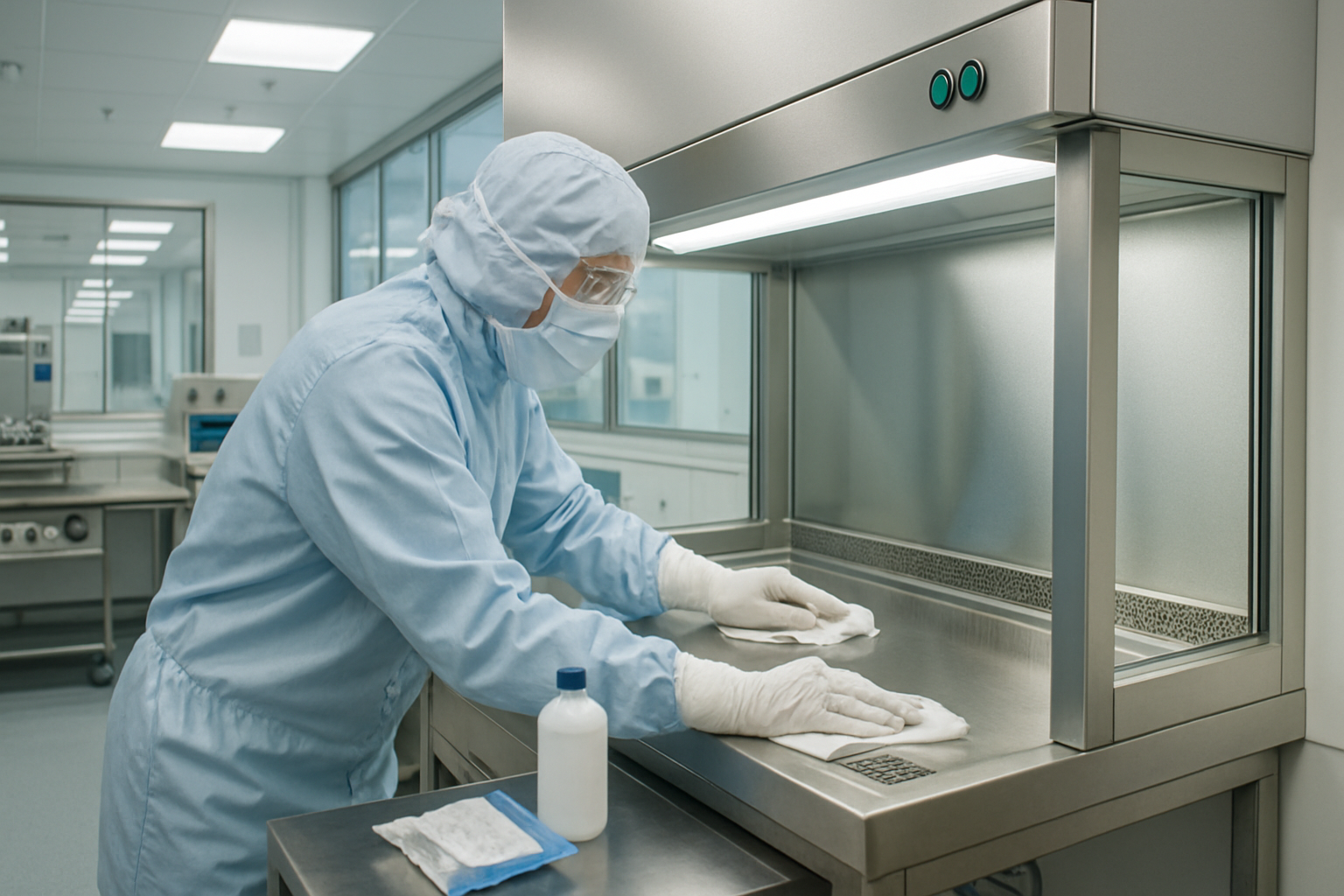
Cleanroom areas are classified from Class A to Class D based on their cleanliness levels, which are determined by particulate and microbial counts. For instance, Class A or ISO 5 areas, such as laminar airflow hoods, are the cleanest, while Class B areas serve as their supportive environments. Classes C and D encompass less critical zones where products are not directly exposed. Adhering to the appropriate cleaning protocols is crucial; failure to do so may lead to contamination events, regulatory scrutiny, and potential penalties such as FDA Form 483 notices.
Categories of Cleaning in Sterile Environments
The cleaning process in sterile manufacturing is categorised into several distinct types:
- Regular Cleaning: Conducted at the end of each shift, this involves the removal of visible dust and residues from floors, walls, and equipment.
- Surface Disinfection: Following regular cleaning, disinfectants are applied to eliminate microorganisms on surfaces. To enhance effectiveness, a rotation of disinfectants should be employed.
- Thorough Cleaning: This is typically performed weekly and targets areas that are hard to clean, including fumigation with agents such as hydrogen peroxide in critical areas.
- Post-Maintenance Cleaning: After any maintenance activities, a comprehensive cleaning is essential to remove any introduced contaminants and to revalidate the area before resuming production.
Key Elements of a Robust Cleaning Strategy
Loading flowchart…
A successful cleaning programme for sterile manufacturing incorporates several essential components:
- Validated Cleaning Protocols: Cleaning procedures must be validated to confirm their effectiveness in removing residues and microbial contaminants.
- Qualified Cleaning Staff: Personnel responsible for cleaning must receive thorough training in procedures, gowning, and contamination control measures.
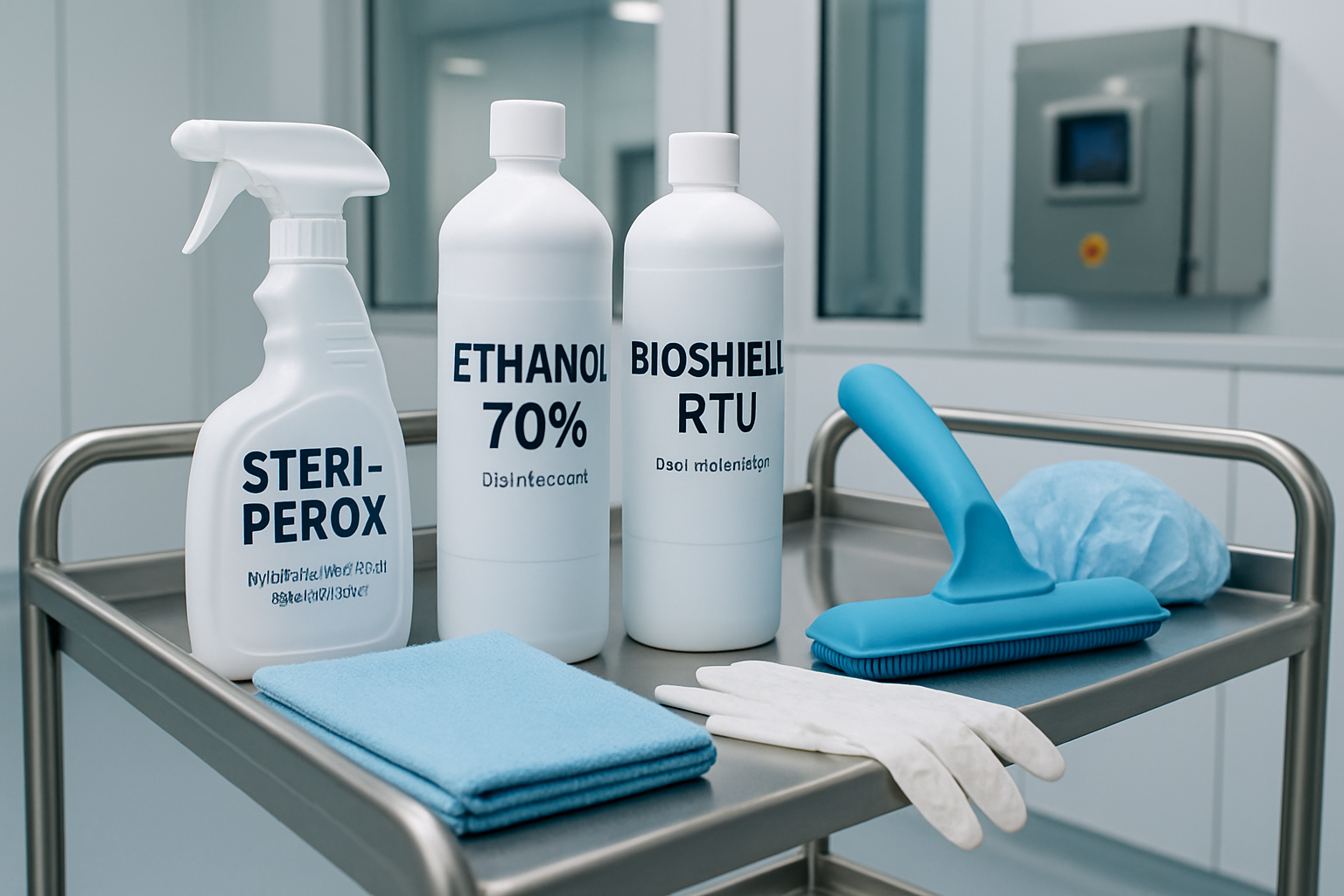
- Approved Cleaning Agents: Only disinfectants with proven efficacy against a broad spectrum of pathogens should be employed, such as isopropyl alcohol, hydrogen peroxide, and sporicides.
- Rotational Use of Disinfectants: To mitigate the risk of microbial resistance, a rotation of at least three different disinfectants is recommended, incorporating agents with varied mechanisms of action.
- Exclusive Cleaning Tools: Equipment used for cleaning must be dedicated solely to sterile areas, and all tools should be properly sanitised after each use.
Effective Cleaning Techniques
The methods applied during cleaning are critical for ensuring contamination control:
- Cleaning Order: Begin cleaning from the highest grade areas (Class A) to lower grades (Class D) to prevent cross-contamination.
- Mopping and Wiping Approach: Use unidirectional strokes with minimal overlap, avoiding circular motions, and frequently change mops and wipes to reduce contamination spread.
- Contact Time: Allow disinfectants to remain on surfaces for the validated contact time, typically between 5 to 10 minutes, to ensure efficacy.
- Documentation: Maintain a thorough cleaning log, including dates, areas cleaned, personnel involved, and disinfectants used. This record should be reviewed and signed by quality assurance personnel.
Monitoring Cleanliness and Validating Cleaning Effectiveness
Environmental monitoring is vital to assess the success of cleaning efforts. Techniques such as settle plates, contact plates, swab tests, and air sampling can be employed. Regular trend analysis of these results helps identify problematic areas and informs necessary corrective actions.
Cleaning Frequencies Based on Cleanroom Classifications
Each classification of cleanroom requires tailored cleaning frequencies to uphold its standards. Areas classified as ISO 5 necessitate more frequent and rigorous cleaning compared to Class D areas.
Common Pitfalls to Avoid
To maintain high standards in cleaning processes, avoid the following errors:
- Using expired or unvalidated cleaning agents.
- Neglecting to rotate disinfectants adequately.
- Reusing contaminated cleaning materials.
- Overlooking hard-to-reach areas during cleaning.
- Failing to document cleaning activities thoroughly.
- Allowing untrained personnel to perform cleaning duties.
Regulatory Framework and Expectations
Cleaning protocols in sterile manufacturing must align with established regulatory standards, including FDA 21 CFR Part 211, EU GMP Annex 1, WHO GMP guidelines, and PIC/S guidelines. Regulatory agencies expect a scientifically justified cleaning programme designed to protect product integrity and patient safety. Training is paramount to ensure that staff understand the critical steps in contamination control, thereby minimising risks associated with cleanroom operations.
Comments (0)
Loading comments…
Checking sign-in status…