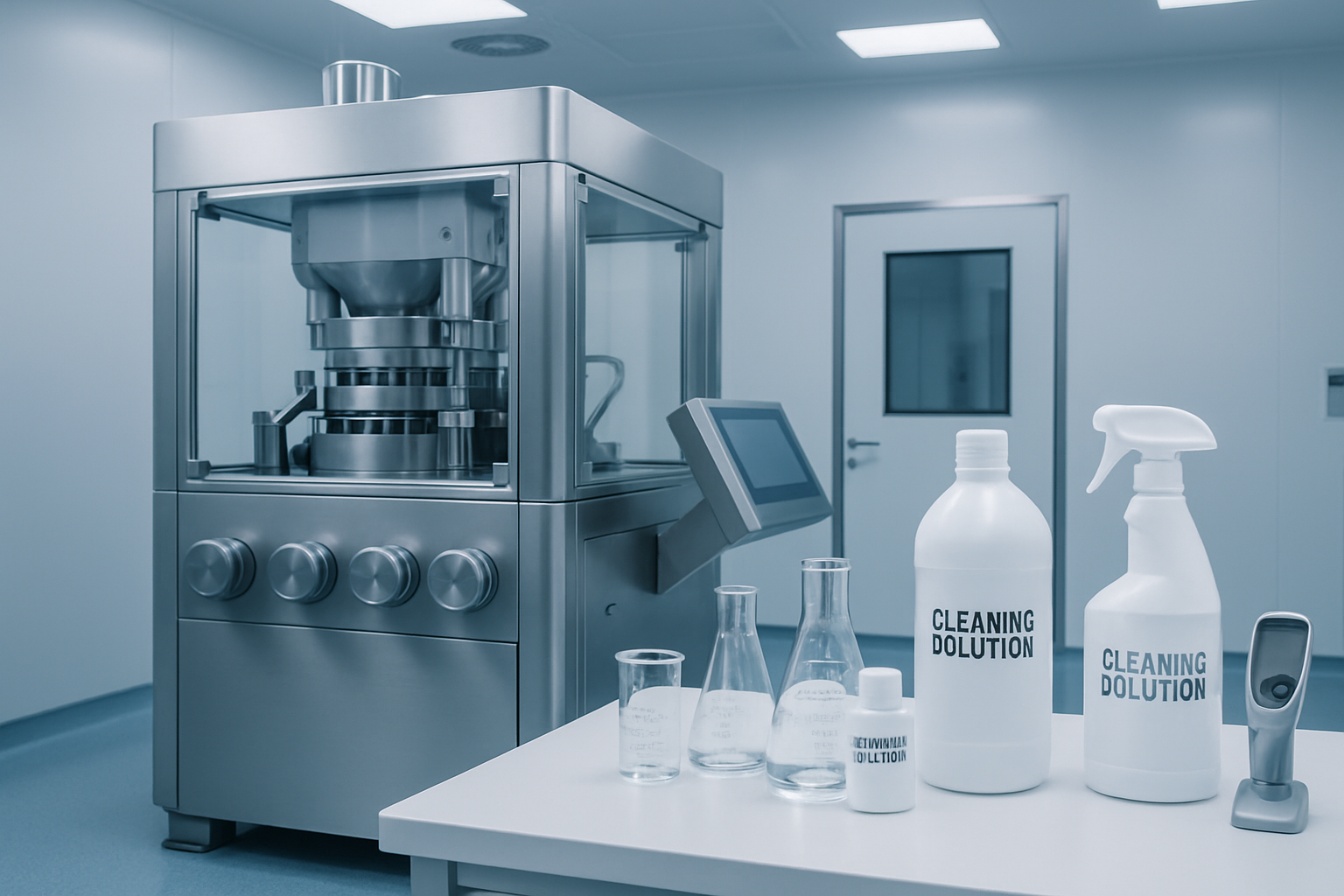
Cleaning validation is essential in the manufacturing of oral solid dosage forms to prevent contamination and ensure product safety. Challenges include residue types, shared equipment, and the complexity of cleaning methods, necessitating robust procedures and regular training.
Cleaning validation represents a pivotal aspect of pharmaceutical production, particularly in the context of oral solid dosage forms (OSDs). It ensures that all manufacturing equipment is adequately cleaned to predetermined standards. This process is crucial because failure to maintain cleanliness can result in cross-contamination, product mix-ups, or undesirable residue carryover, all of which pose risks to patient safety and product integrity. Regulatory agencies scrutinise cleaning validation practices during inspections, compelling manufacturers to develop scientifically sound cleaning procedures that adhere to Good Manufacturing Practices (GMP).
Defining Cleaning Validation
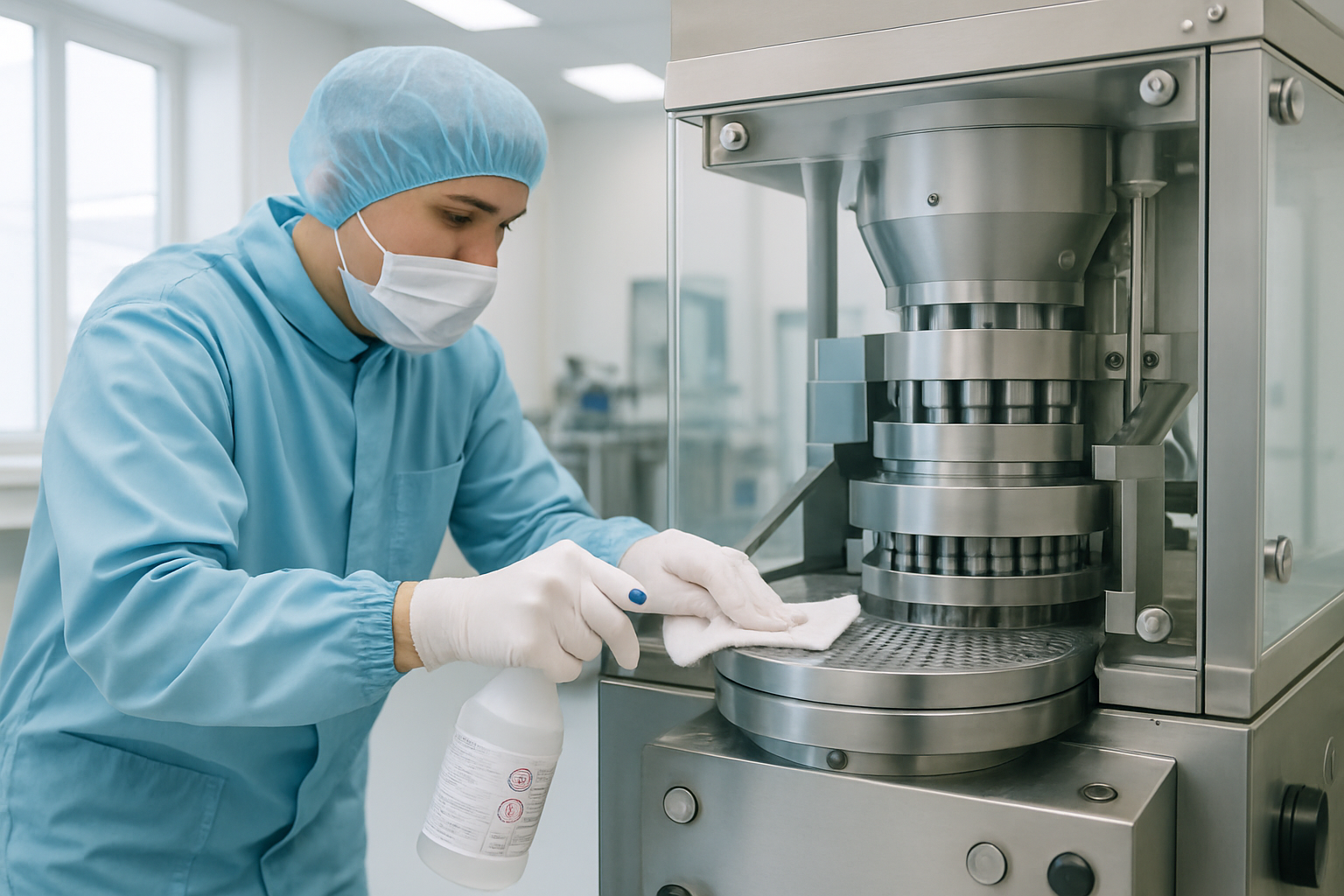
Cleaning validation is the documented assurance that an established cleaning method effectively removes residues from equipment surfaces, including product remnants, cleaning agents, and microorganisms, to acceptable levels. The primary objectives of cleaning validation include:
- Ensuring product safety
- Prevention of product cross-contamination
- Verification of equipment cleanliness
- Compliance with regulatory standards
In OSD manufacturing, various pieces of equipment, such as mixers, granulators, fluid bed dryers, tablet compression machines, and coating machines, require thorough cleaning validation.
Significance of Cleaning Validation in OSD Production
OSD facilities frequently handle a diverse range of products, each with unique formulations, strengths, and cleaning needs. Cleaning validation serves to:
- Prevent cross-contamination between different products
- Mitigate contamination risks
- Preserve batch integrity
- Safeguard patient health
- Prepare for regulatory inspections
Without effective cleaning validation, residual materials may persist on equipment surfaces, risking contamination of subsequent batches.
Obstacles in Cleaning Validation for OSD Facilities
The manufacturing of oral solid dosage forms leads to the generation of powders, granules, and sticky residues, complicating the cleaning process. Several factors contribute to the challenges faced in cleaning validation:
1. Characteristics of Product Residues
Different OSD products may leave distinct residue types, each requiring tailored cleaning agents. Residues can be:
- Sticky
- Hydrophobic
- Highly potent
- Poorly soluble in water
Residues from coatings and waxes can particularly complicate the selection of appropriate cleaning methods.
Overview: 2. Shared Equipment Usage
The practice of using shared equipment poses challenges, including:
- Heightened risk of cross-contamination
- Frequent changeovers among products
- Increased need for expedited cleaning
The situation is exacerbated when dealing with potent or allergenic products.
3. Complexity of Equipment Design
Equipment employed in OSD manufacturing often features design elements that hinder effective cleaning, such as:
- Dead legs
- Gaskets
- Filters
- Narrow pipes
- Concealed surfaces
If cleaning methods do not consider these difficult-to-clean areas, they may fail validation.
4. Identifying the Worst-Case Product
Cleaning validation studies typically employ a worst-case product approach, but selecting the appropriate product can present difficulties. Factors to assess include:
- Solubility
- Toxicity
- Potency
- Batch size
- Cleanability
Inaccurate selection could result in incomplete cleaning validation.
5. Calculating Residue Limits
Setting acceptable residue limits is one of the more technically challenging tasks in cleaning validation. Possible criteria include:
- Therapeutic doses
- Toxicological data
- 10 parts per million (PPM) standards
- Health-based exposure limits (HBEL)
All acceptance criteria must be scientifically justified.
6. Difficulties with Sampling
Sampling is critical for demonstrating equipment cleanliness. Common methods include:
- Swabbing surfaces with cloth or sponge
- Collecting rinse samples with water or solvents
However, each method has its limitations. Swabbing may face accessibility issues, while rinsing can dilute residues and obscure contamination locations.
7. Sensitivity of Analytical Methods
Analytical methods must detect very low residue levels. Challenges include:
- Low detection limits
- Interference from other compounds
- Variability in recovery from different areas
Analytical methods must be validated for accuracy, precision, specificity, and sensitivity to prevent erroneous conclusions.
8. Residual Cleaning Agent Issues
Cleaning agents may leave residues on equipment surfaces. Key considerations for validation include:
- Residual detergents
- Chemical compatibility
- Rinsing efficacy
Inadequate rinsing could lead to contamination of the next production batch.
9. Variability Among Operators
Differences in how operators perform cleaning tasks can introduce variability. This may include:
- Cleaning techniques
- Contact time of cleaning solutions
- Rinsing methods
Regular training and standard operating procedures (SOPs) can help minimise these inconsistencies.
10. Pressures of Time During Equipment Changeovers
OSD production schedules often impose tight time constraints, leading to rushed cleaning processes. This increases the likelihood of ineffective cleaning and contamination risks.
Overview: regulatory Expectations for Cleaning Validation
Regulatory authorities mandate that pharmaceutical companies implement robust cleaning validation programs as a component of their GxP compliance. Key expectations include:
- Scientifically established residue limits
- Validated analytical methods
- Documented cleaning processes
- Periodic reviews and revalidations
During inspections, GMP inspectors will evaluate cleaning validation data for compliance with established guidelines.
Overview: implementing a Risk-Based Approach to Cleaning Validation
The cleaning validation process has evolved to incorporate risk-based methodologies, as outlined in the ICH Q9 Quality Risk Management guidelines. This approach helps identify critical cleaning aspects, such as:
- Critical equipment
- Worst-case products
- High-risk cleaning processes
By highlighting areas with increased contamination risks, manufacturers can allocate resources more effectively.
Strategies for Overcoming Cleaning Validation Challenges
Loading flowchart…
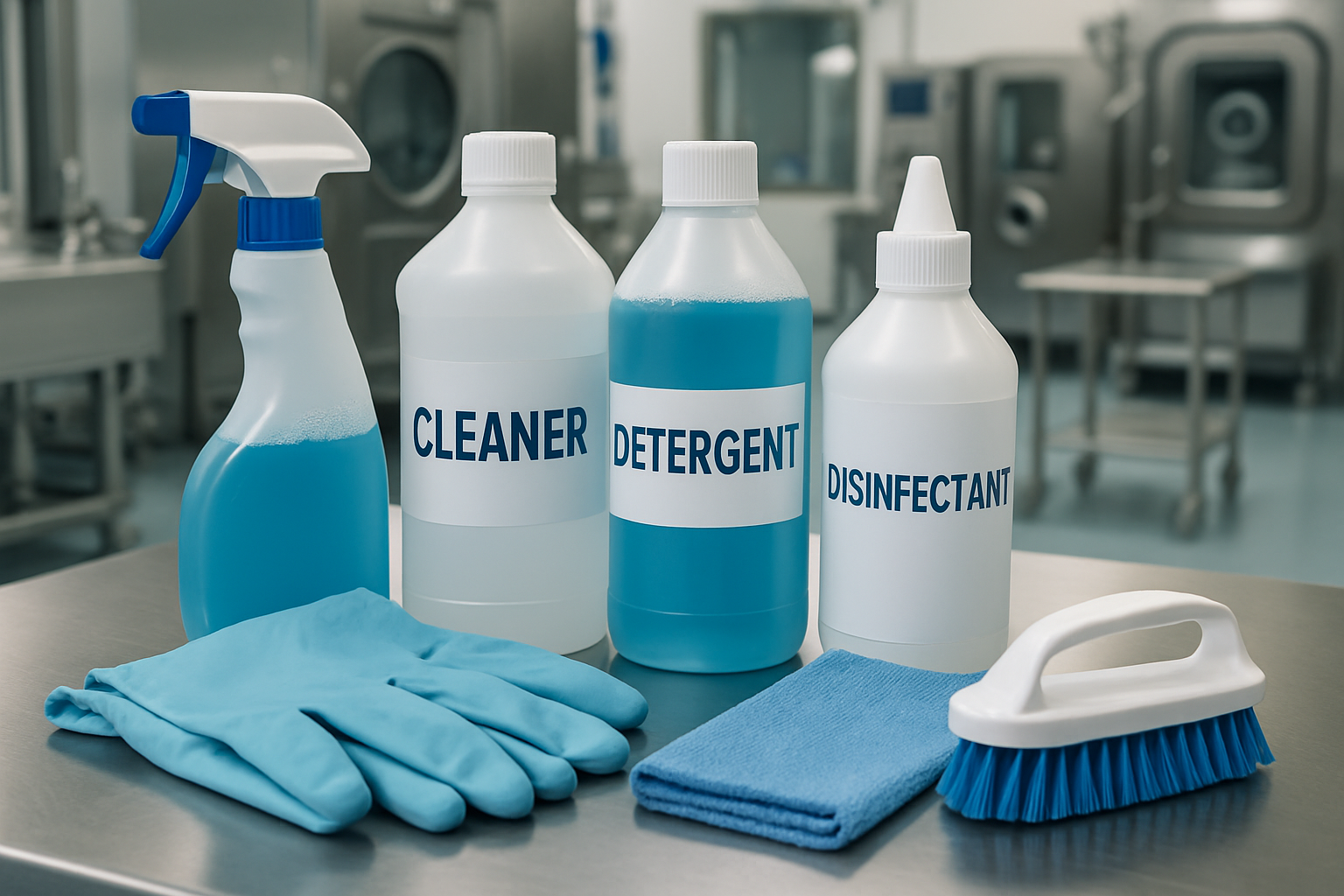
To navigate the complexities of cleaning validation, manufacturers may consider the following strategies:
1. Enhance Equipment Design
Improving equipment design to facilitate cleaning is essential. Key characteristics include:
- Smooth surfaces
- Minimised residual areas
- Ease of disassembly
- Hygienic construction
The design significantly influences cleaning effectiveness.
2. Select Efficient Cleaning Agents
Choosing the right cleaning agents based on product characteristics is crucial. Assess attributes such as:
- Solubility
- Compatibility
- Cleaning efficacy
- Rinsing ease
Overview: 3. Properly Validate Analytical Methods
Ensure analytical methods used for measuring residues are properly validated. This includes confirming:
- Method accuracy
- Sensitivity
- Recovery efficiency
4. Standardise Cleaning Procedures
The development of detailed SOPs for cleaning processes is vital. These should outline:
- Cleaning steps
- Contact time for cleaning agents
- Concentration of cleaning solutions
- Rinsing requirements
5. Deliver Regular Training
Consistently train staff to maintain cleaning proficiency and awareness of contamination risks associated with product contact surfaces.
6. Conduct Periodic Reviews and Revalidation
Cleaning validation should not be viewed as a one-time effort. Periodic reviews and revalidation are necessary following:
- Product changes
- Equipment modifications
- Updates to cleaning procedures
- Repeated validation failures
Documentation Necessities
Accurate documentation is essential for regulatory compliance. Key documents include:
- Protocols related to cleaning validation
- Reports from analyses
- Documentation of sampling procedures
- SOPs for cleaning
- Validation activity reports
These documents provide evidence of the successful completion and control of cleaning procedures.
The Role of Quality Assurance
Quality Assurance plays an integral part in cleaning validation. Their responsibilities encompass:
- Reviewing protocols and reports
- Establishing acceptable residue limits
- Monitoring compliance with GMPs
Quality Assurance confirms the integrity and reliability of the cleaning validation program. Given the numerous complications associated with cleaning validation in OSD manufacturing—such as challenging residues, shared equipment use, analytical limitations, and operator variability—pharmaceutical companies must adopt rigorous cleaning validation strategies. By using a risk-based approach, improving equipment designs, ensuring analytical methods are validated, and maintaining thorough documentation, manufacturers can uphold compliance and ensure the production of high-quality oral solid dosage forms.
Comments (0)
Loading comments…
Checking sign-in status…