
Effective documentation is essential for GMP compliance in pharmaceutical manufacturing, impacting product quality and regulatory audits. Common errors stem from systemic issues and can be mitigated through improved training, accountability, and robust electronic systems.
Effective documentation is a cornerstone of quality assurance within pharmaceutical manufacturing. The ability to demonstrate compliance with Good Manufacturing Practices (GMP) hinges on accurate and complete records. Documentation not only substantiates the execution of processes but also provides essential evidence for regulatory audits and batch releases. Inadequate documentation practices are frequently identified as primary deficiencies during inspections, impacting product quality and regulatory standing.
The Significance of Accurate GMP Documentation

Pharmaceutical documentation serves critical functions beyond mere record-keeping. Accurate records confirm that:
- Manufacturing activities adhere to approved methods.
- Key process parameters are monitored and controlled.
- Any deviations are thoroughly investigated.
Reliable documentation supports various operational needs such as product traceability, batch review, and effective management of recalls. Without comprehensive records, companies may struggle to demonstrate compliance with GMP requirements.
Underlying Issues Contributing to Documentation Errors
Many documentation errors are symptomatic of broader systemic issues rather than isolated mistakes. Several factors contribute to these challenges, including:
- Inadequate training on documentation standards.
- Poorly defined quality management culture.
- Inconsistent oversight from supervisors.
- Heightened pressure on teams during peak production periods.
Typical Documentation Mistakes in Pharmaceutical Operations
Common documentation errors can jeopardise compliance and compromise product quality. Some prevalent issues include:
Incomplete Record Entries
Missing critical information such as dates, signatures, or essential details in batch manufacturing records can lead to significant delays in product disposition. Inspectors frequently highlight incomplete entries as a top concern.
Delayed or Backdated Records
Documenting data after the fact, such as recording cleaning operations or temperature checks well after they are completed, raises red flags during regulatory scrutiny. Such practices can trigger data integrity concerns.
Improper Corrections in Documentation
Corrections to records must preserve the original entries and follow proper protocols. Common errors include using correction fluid, erasing entries, or scribbling out text, which undermine the reliability of documentation.
Unsigned Entries
Unsigned records remain a frequent issue, even in experienced facilities. While these may not affect batch traceability, they raise questions regarding accountability and verification processes.
Pre-Completion Data Recording
Documenting activities before their completion compromises data integrity. This includes instances where operators sign off on logs before activities have been fully executed.
Utilisation of Uncontrolled Documents
Using outdated or uncontrolled documentation poses significant compliance risks. Relying on obsolete SOPs or unapproved forms can lead to inconsistent procedural adherence.
Overview: illegible Handwriting
Unclear handwriting can obscure data and lead to serious misunderstandings. It is often the case that inspectors question records due to legibility issues.
Electronic Documentation Challenges
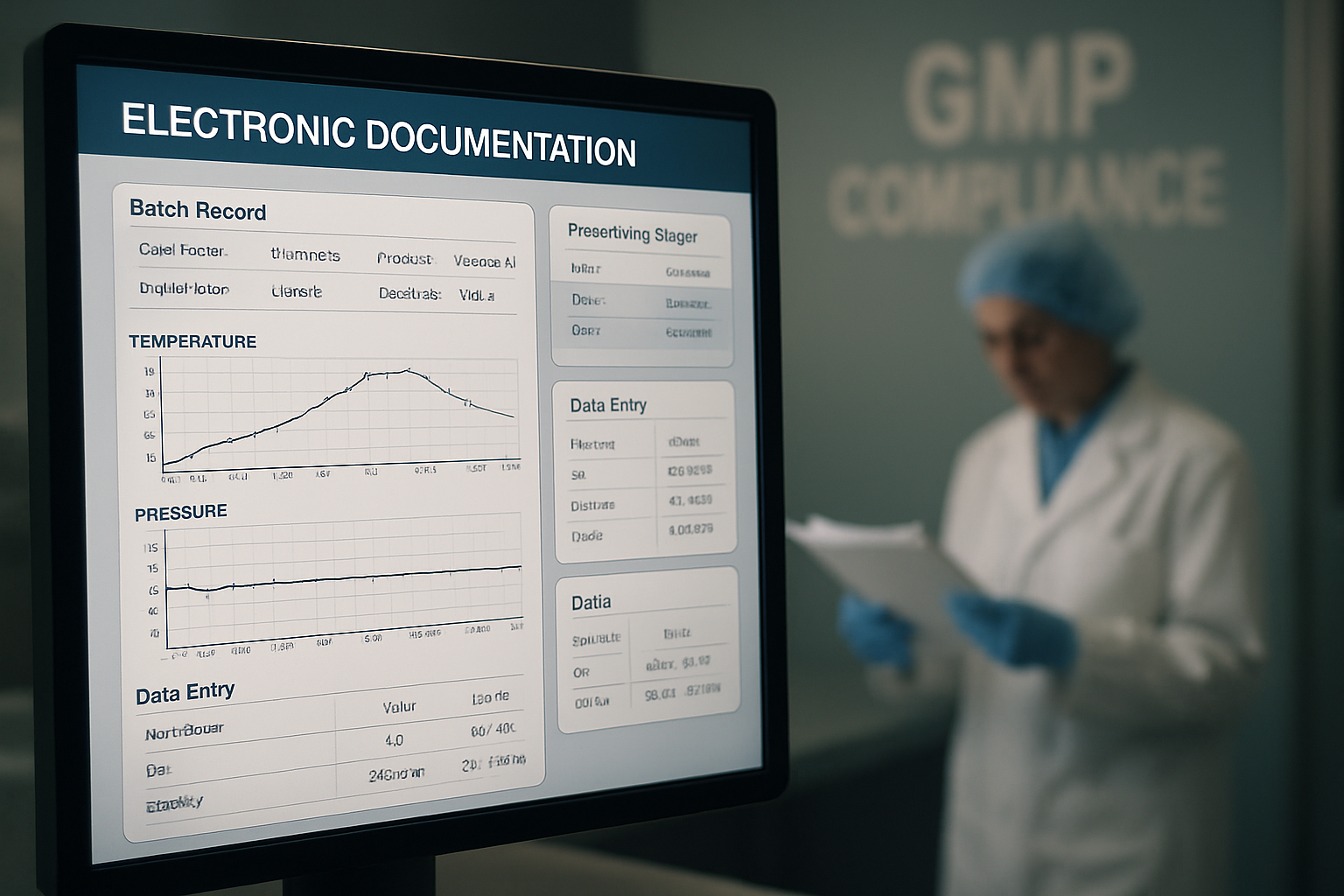
As companies transition to electronic documentation systems, they face new risks. Common problems include sharing passwords, disabled audit trails, and missing electronic signatures, which can compromise the integrity of the documentation process.
Factors Leading to Increased Documentation Errors Under Pressure
Heightened production demands often correlate with a rise in documentation errors. Under such pressure, operators may rush through entries, skip necessary reviews, or focus more on output than compliance, leading to a degradation in documentation quality.
Overview: data Integrity in GMP Documentation
Regulatory bodies now emphasise data integrity principles during inspections. The ALCOA framework outlines essential attributes: Attributable, Legible, Contemporaneous, Original, and Accurate. Failures in documentation practices are increasingly viewed through the lens of data integrity deficiencies.
Overview: identifying Root Causes of Documentation Errors
Errors stem from systemic issues rather than isolated incidents. Contributing factors often include:
- Insufficient employee training.
- Poorly crafted standard operating procedures (SOPs).
- Over-reliance on manual data entry.
- Complex documentation processes.
- Fatigue among reviewers.
Strategies for Minimising GMP Documentation Errors
Loading flowchart…
Effective pharmaceutical organisations implement a mix of procedural improvements, technical solutions, and cultural shifts to mitigate documentation errors:
Enhancing Training Initiatives
Training should encompass not only the mechanics of filling out documents but also the broader implications of documentation accuracy on patient health and compliance with regulatory standards.
Simplifying Documentation Formats
Clear, concise forms reduce errors. Effective documentation must be easily readable, contain only essential fields, and include straightforward instructions to minimise confusion.
Strengthening Accountability of Reviewers
Reviewers should be held to high standards, evaluating not just the technical correctness but also the completeness and clarity of documentation. Establishing clear review criteria can reduce recurring errors.
Implementing Robust Electronic Systems
Well-designed electronic documentation systems can alleviate many manual documentation challenges, improving traceability and reducing handwriting issues. However, they must be rigorously controlled to prevent new compliance risks.
Regular Documentation Audits
Routine audits help identify weaknesses in documentation procedures before they escalate into regulatory concerns. Areas to focus on include correction practices and electronic audit trails.
Fostering a Quality-Focused Culture
A strong quality culture leads to improved compliance. Organisations that prioritise quality display better procedural discipline and accountability, reflecting positively on their documentation practices.
Common Documentation Deficiencies Noted During Inspections
Regulatory inspectors often encounter various documentation lapses, including unexplained overwrites, missing data, incomplete investigations, and issues related to date consistency. Such findings may indicate broader concerns regarding data integrity.
Overview: management's Role in Ensuring Documentation Compliance
Senior management plays a crucial role in fostering a compliant documentation culture. Key responsibilities include:
- Providing adequate resources and staffing.
- Supporting a culture of compliance with GMP.
- Avoiding unrealistic production expectations.
- Ensuring thorough training for all personnel.
Overview: recommended Best Practices for GMP Documentation Control
To uphold robust documentation practices, organisations should adopt the following strategies:
- Document activities immediately upon completion.
- Utilise only controlled documentation.
- Review records in a timely manner.
- Employ proper correction methods.
- Conduct regular training.
- Perform routine audits of the documentation system.
- Promote awareness of data integrity issues.
Consistent application of these best practices can significantly enhance compliance and operational efficiency. Documentation errors remain a critical compliance risk in pharmaceutical manufacturing. Addressing these issues effectively requires a commitment to fostering a strong quality culture, ensuring accountability among reviewers, and maintaining a focus on data integrity throughout the organisation.
Comments (0)
Loading comments…
Checking sign-in status…