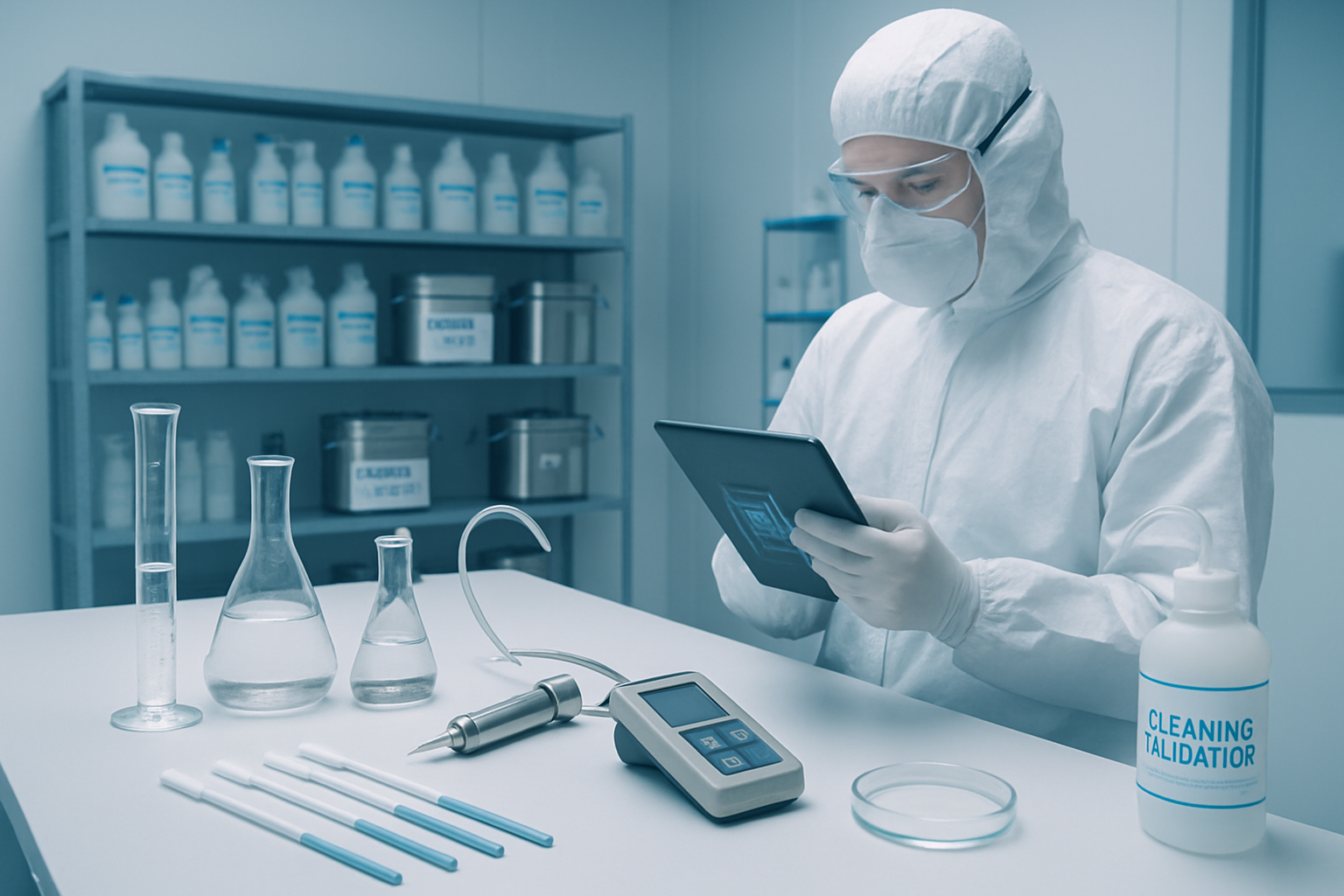
Cleaning validation failures in pharmaceutical manufacturing can lead to significant issues, including product launch delays and contamination risks. A thorough investigation into root causes is essential, focusing on factors like equipment design, cleaning methods, and operator performance.
Cleaning validation failures pose significant challenges for pharmaceutical manufacturers, impacting product launches and heightening concerns about cross-contamination. Addressing such failures requires a thorough understanding of root causes, as simply repeating cleaning processes or prolonging cleaning durations will not resolve the issue. Regulatory authorities expect that manufacturers respond to cleaning validation failures with the same rigor as they would for any major quality event, necessitating a detailed investigation into any Out-of-Specification (OOS) results, visible residues, or persistent contamination issues.
Cleaning validation failures often stem from a combination of factors, including equipment design, cleaning methods, product characteristics, and operator performance. The goal of an investigation is to uncover the underlying reasons for the failure, rather than merely identifying the location of residues.
Recognising Signs of Cleaning Validation Failure
Failures in cleaning validation can manifest in various ways. Common indicators include:
- Swab sampling results that exceed acceptance criteria.
- Failed rinsing sampling results.
- Visible residues following cleaning.
- Microbiological contamination levels exceeding established limits.
- Repeated deviations at the same sampling locations.
- Variability in cleaning validation results across different validation occasions.
- Failure of efficiency tests affecting measurement outcomes.
Each of these occurrences warrants a thorough investigation, as they may indicate deficiencies in cleaning processes or validation protocols.
Prioritising Immediate Containment Measures
Before initiating a detailed assessment, immediate containment actions should be taken to mitigate further risks. Typical responses include:
- Halting operations of any affected manufacturing machinery.
- Quarantining relevant batches as necessary.
- Notifying the Quality Assurance and Validation departments.
- Preserving analytical data and original samples.
- Avoiding any alterations to the equipment until the investigation begins.
- Reviewing recent cleaning records and equipment logs.
These actions help facilitate a successful investigation and prevent subsequent contamination.
Confirming the Validity of the Failure
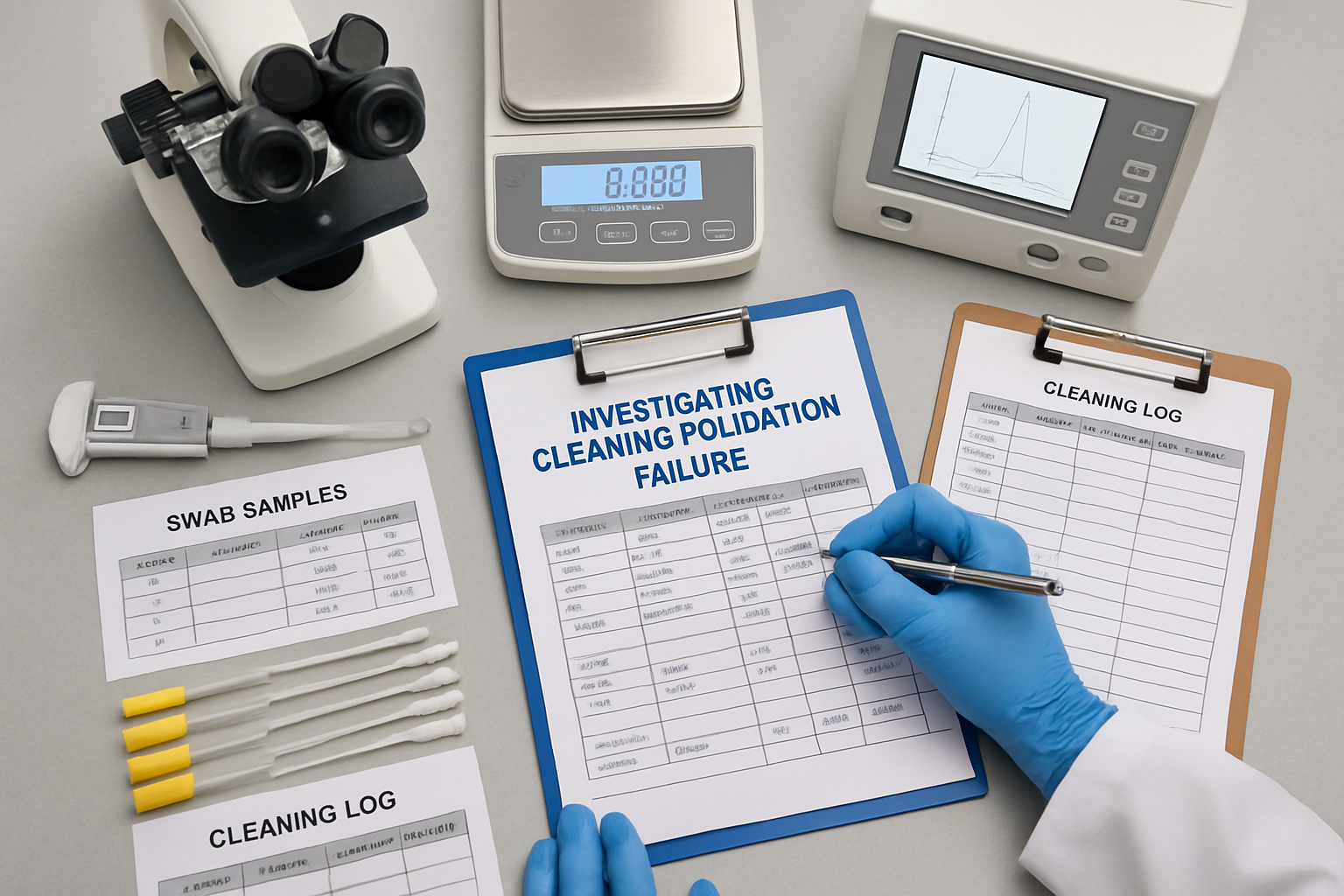
Not all cleaning validation failures indicate a fault in the cleaning method itself. It is crucial to first verify the accuracy of analytical results. Consider the following questions during this phase:
- Was the analytical method functioning correctly?
- Were calibration standards satisfactory?
- Did the instrument operate as intended?
- Were the system conditions met?
- Was sample preparation conducted accurately?
- Were calculations appropriately checked?
Once analytical errors are discounted, the next step involves scrutinising the cleaning process.
Assessing the Cleaning Procedure
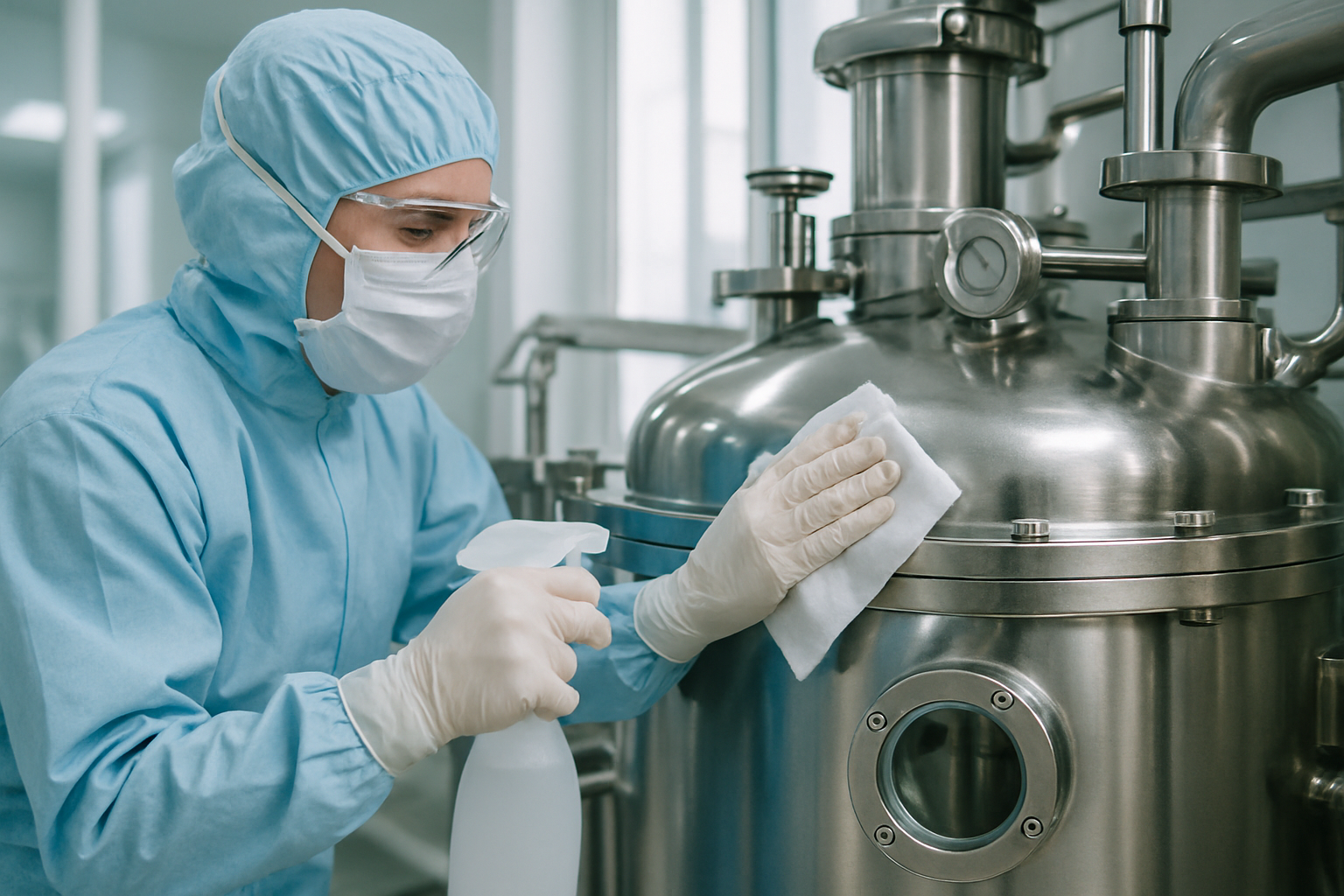
Investigators typically begin by analysing the cleaning steps. However, this evaluation must extend beyond merely confirming adherence to the Standard Operating Procedure (SOP). Consider the following aspects:
- Is the cleaning agent suitable for the product?
- Is the cleaning sequence logical and effective?
- Are detergent concentrations and contact times adequate?
- Is the rinse volume sufficient?
- Is the temperature of the cleaning solution within validated limits?
- Are hard-to-clean areas properly addressed?
A well-followed procedure can still be ineffective if not properly designed during the manufacturing phase.
Investigating Product Characteristics
The specific attributes of the product being cleaned significantly affect cleaning efficacy. Some materials pose greater cleaning challenges, particularly those that are:
- Low in solubility
- Highly concentrated
- Viscous or polymer-based
- Fatty or waxy
- Intensely dyed
- High in sugar content
- Hygroscopic
For example, cleaning a controlled-release tablet made from hydrophobic polymers may require a different approach compared to an immediate-release product manufactured in the same equipment. Knowledge of the residue's composition is critical for understanding cleaning challenges.
Inspecting Machinery Design
The design of machinery often plays a critical role in cleaning validation failures. Even if a cleaning procedure is effective, poorly designed machinery can hinder residue removal. Conduct a detailed inspection for:
- Dead legs
- Cracks or gaps
- Defective gaskets
- Poor welds
- Rough internal surfaces
- Accumulated residues beneath the machinery
- Inaccessible areas in Clean-In-Place (CIP) systems
In some cases, hidden residues have been discovered beneath removable components not addressed in the cleaning protocol.
Analysing Cleaning Parameters
The effectiveness of the cleaning process hinges on four critical elements, collectively known as Sinner's Circle: Time, Temperature, Chemical Activity, and Mechanical Action. When one element is reduced, another must be increased to maintain cleaning efficiency. During the investigation, compare the actual cleaning parameters with those established during the validation:
| Parameter | Questions to Ask |
| Time | Was the validated cleaning duration maintained? |
| Temperature | Was the cleaning solution within the approved range? |
| Chemical concentration | Was detergent prepared correctly? |
| Mechanical action | Was spray pressure or manual scrubbing adequate? |
Considering Human Factors
Operator performance cannot be dismissed as a mere element of error. A thorough personnel assessment is essential and should include checks on:
- Compliance with the approved SOP.
- Completion of cleaning procedure checkpoints.
- Proper dismantling of equipment when necessary.
- Suitability of cleaning tools.
- Regular and timely training of staff.
- The impact of shift changes on cleaning practices.
If different operators behave inconsistently under the same conditions, this suggests inadequate training or overly complex cleaning procedures rather than simple operator error.
Evaluating Sampling Protocols
In some instances, cleaning processes may function correctly, but sampling methods can introduce errors into the results. Validate the following:
- Swab points align with the approved documentation.
- Sampling was conducted in challenging locations.
- Correct materials were used for swabbing.
- Recovery factors were appropriate.
- Sampling methods and pressure were consistent throughout the study.
- Samples were transported and stored according to validated methods.
Inconsistent sampling procedures can yield inaccurate data, complicating the identification of the root cause.
Employing Structured Root Cause Analysis Techniques
Loading flowchart…
Structured approaches can assist investigators in pinpointing issues effectively. Two methods are particularly useful:
Fishbone Analysis
This technique categorises potential causes into six distinct areas: Equipment, Materials, Methods, Environment, Measurement, and Man. It helps in identifying actual causes rather than making assumptions.
Iterative Questioning
The iterative questioning technique involves asking 'why' multiple times to uncover the root cause of a problem. For instance:
Q1. Why did the swab fail? A1. Residue exceeded acceptance limits.
Q2. Why was there residue? A2. The cleaning solution did not remove the product completely.
Q3. Why? A3. Detergent concentration was below the specified level.
Q4. Why? A4. The dosing pump delivered an incorrect volume.
Q5. Why? A5. Preventive maintenance for the pump was overdue.
In this scenario, the maintenance of the pump is the true root cause, demonstrating that cleaning solutions may not be solely at fault.
Establishing Effective Corrective and Preventive Actions (CAPA)
Once the root cause has been identified, implementing corrective and preventive actions is essential to rectify the issue and strengthen the system. Potential actions include:
- Modifying the cleaning process.
- Changing the detergent.
- Redesigning equipment.
- Updating preventive maintenance schedules.
- Enhancing operator training.
- Revising cleaning validation methods.
- Increasing in-process checks.
- Updating risk assessments.
It is critical to verify the effectiveness of CAPA to confirm that the problem has been resolved permanently.
Avoiding Common Mistakes in Investigations
Cleaning validation investigations can fail due to easily avoidable errors. Some frequent pitfalls include:
- Reperforming cleaning without investigating the root cause.
- Assuming laboratory errors without evidence.
- Blaming operators without substantiation.
- Neglecting equipment design issues.
- Closing investigations prematurely.
- Implementing non-valid CAPAs.
- Failing to reassess worst-case product assumptions after multiple failures.
Enhancing Future Cleaning Validation Protocols
Insights gained from failed cleaning validation studies should inform and improve future cleaning validation programmes. Companies can reduce the likelihood of recurrence by:
- Conducting thorough investigations of worst-case products.
- Assessing equipment cleanability during the qualification phase.
- Selecting appropriate detergents based on residue chemistry.
- Gathering and analysing cleaning validation data trends.
- Regularly reviewing cleaning protocols.
- Involving cross-functional teams in investigations.
Cleaning validation must evolve over time to accommodate changes in products, equipment, and methodologies. A failure in cleaning validation should not be viewed as an isolated laboratory error but as an opportunity to evaluate the entire cleaning process, from equipment design to laboratory testing.
Effective root cause investigations challenge assumptions, scrutinise each step of the cleaning process, and rely on objective evidence rather than convenient excuses.
Comments (0)
Loading comments…
Checking sign-in status…