

Validation is essential in pharmaceutical manufacturing, yet inspections often reveal issues stemming from poor implementation, documentation, and training. Key areas of concern include inadequate user requirements, risk assessments, and change control processes, which can compromise validation integrity and regulatory compliance.
Validation plays a crucial role in pharmaceutical manufacturing, ensuring that processes, equipment, and systems are functioning correctly. Despite existing guidelines, inspections often reveal persistent validation issues that can hinder product approval. To align with regulatory expectations, manufacturers must maintain validated systems according to Good Manufacturing Practices (GMP), supported by thorough documentation and a risk-based approach.
Reasons for Validation Issues
Validation issues often arise not from the absence of procedures but from poor implementation, oversight, or misunderstanding of regulatory requirements. Many professionals view validation as a one-time task instead of an ongoing lifecycle commitment. As systems evolve, their validated status can diminish without timely re-evaluation. Additional factors contributing to validation issues include inadequate training, insufficient documentation practices, and a lack of collaboration among departments such as quality assurance, engineering, and production.
Challenges with Documentation Practices

Poor documentation frequently emerges as a primary concern during inspections. Even when validation activities are executed correctly, incomplete or poorly maintained records can raise significant issues. Common documentation deficiencies include:
- Missing validation protocols or reports
- Undefined acceptable criteria
- Incomplete test results
- Lack of signatures or approvals on final validation reports
To maintain credibility with regulators, it is essential that documentation thoroughly reflects the planning, execution, and review of all validation activities.
Issues with User Requirements
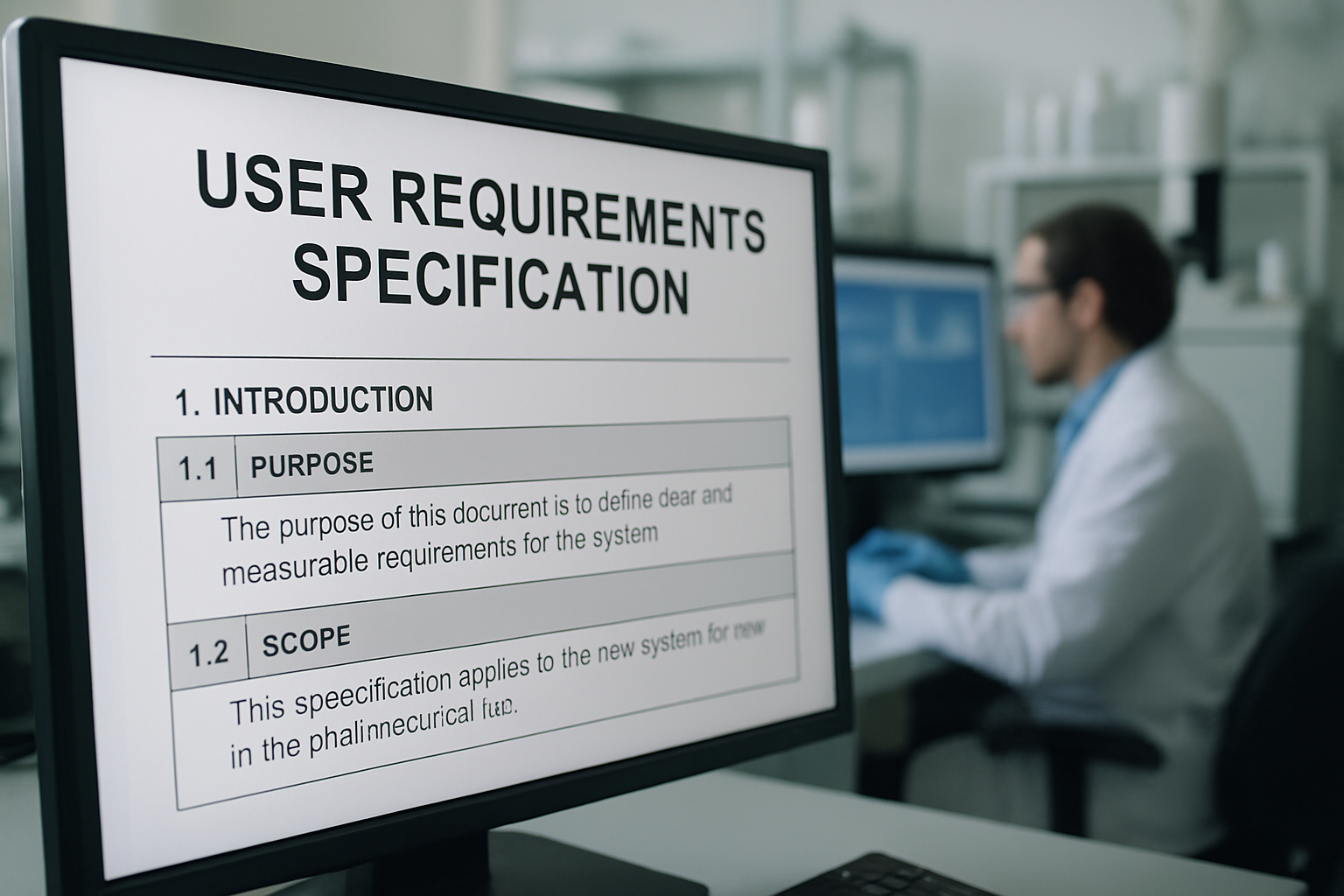
The User Requirements Specification (URS) is fundamental to the validation process. Weaknesses in this area often lead to major validation flaws. Common problems identified during inspections include:
- Requirements that are untestable or not measurable
- Missing critical functional requirements
- Insufficient evidence linking requirements to the testing process
Clearly defined requirements are particularly important for computerized systems validated under frameworks such as GAMP 5.
Concerns Regarding Risk Assessment
A risk-based approach is a current expectation in validation practices; however, many organisations fail to conduct adequate risk assessments. Common deficiencies include:
- Failure to identify critical process parameters
- Insufficient justification for low-risk classifications
- Lack of connection between risk assessments and testing scope
Regulatory expectations, as outlined in ICH Q9 Quality Risk Management, require that risk assessments guide validation to avoid insufficient or overly expansive validation efforts.
Deficiencies in Qualification Execution
Installation Qualification (IQ), Operational Qualification (OQ), and Performance Qualification (PQ) are the cornerstones of any validation process. Inspectors often find shortcomings in how these components are handled, including:
- Incomplete verification of all components during the IQ phase
- Missing critical functional tests during the OQ phase
- PQ tests not reflecting normal operating conditions
In some cases, tests may be completed but fail to adequately challenge the system, leading to concerns about validation results and necessitating revalidation.
Data Integrity Oversight
Data integrity has become a focal point for regulatory inspections. Due to the large volumes of data generated during validation activities, weaknesses in data handling can create significant integrity concerns. Common deficiencies include:
- Missing complete or partial audit trails
- Data alterations made without proper authority
- Non-compliance with 21 C.F.R. Part 11
- Inadequate controls over electronic records
Data must be traceable throughout its lifecycle, demonstrating completeness and accuracy; failure to do so can compromise the entire validation effort.
Challenges in Change Control
Validation does not end with initial approval; any changes to a business process must be assessed for their impact on validations. Common issues include:
- Changes made without assessing their impact
- Significant changes not followed by revalidation
- Inadequate documentation reflecting changes and their relation to validation
These problems can result in systems operating outside their validated state without justifiable reasons.
Personnel Training Gaps
Personnel play a critical role in the successful execution of validation processes. Common issues observed during inspections include:
- Lack of knowledge about the validation process
- Improper execution of validation tests
- Incomplete understanding of documentation requirements
Inspectors often review the training records of validation personnel to identify systemic failures within the organisation.
Deviation Management Concerns
Deviations are a natural part of validation; however, their management is crucial when it comes to inspections. Common deficiencies include:
- Failure to properly investigate root causes
- Inadequate corrective and preventive actions (CAPAs)
- Closing deviations without sufficient justification
Unresolved deviations can undermine the validity of the entire validation process.
The Importance of Periodic Review
Validation should be an ongoing process, yet many companies neglect to conduct periodic reviews of their validated systems. As a result, they may discover:
- Outdated validation statuses
- Changes to the system that have not been assessed
- Reduced confidence in system performance
Regular reviews provide assurance that validated limits continue to be met throughout the system's operation.
Traceability Concerns
A lack of proper traceability matrices is a significant issue. Establishing traceability is essential for demonstrating that all necessary evaluations have been conducted. This includes linking the:
- User Requirements Specification (URS) to testing
- Validation coverage
- Validation documentation
Proper traceability guides validation activities and will be scrutinised during inspections.
Mitigating Validation Deficiencies
Loading flowchart…
To prevent validation deficiencies, organisations should adopt a proactive approach, which includes:
- Developing clear and measurable User Requirements
- Implementing a risk-based validation strategy
- Maintaining complete and accurate documentation
- Linking change control processes to validation
- Establishing robust data integrity controls
- Regularly training personnel
- Conducting internal audits and periodic reviews
Focusing on these areas will significantly reduce the likelihood of receiving regulatory observations.
The Role of Quality Assurance
Quality Assurance (QA) is pivotal in preventing validation deficiencies. QA ensures that the validation process is developed, executed, and documented according to GMP standards. Key functions of QA include:
- Reviewing validation reports and protocols
- Ensuring documentation accuracy
- Documenting change controls and deviations thoroughly
- Guaranteeing compliance during audits
Strong QA practices protect against compliance gaps throughout the validation process.
Understanding Regulatory Expectations
Regulators insist that companies remain in a validated state consistently through:
- Thorough documentation of validation processes
- A systematic, risk-based approach
- Maintaining data integrity
- Ongoing monitoring and evaluation of processes
Failing to meet these expectations can lead to severe consequences, including warning letters, import alerts, or product recalls.
Answers to Common Questions About Validation Deficiencies
What constitutes validation deficiencies?
Validation deficiencies are failures or gaps identified in the validation process during inspections.
What causes validation deficiencies?
Validation deficiencies stem from poor documentation, inadequate implementation, lack of oversight, and other contributing factors.
What significance does URS hold in validation?
The URS document outlines system requirements and serves as the foundation for validation.
What do IQ, OQ, and PQ signify?
IQ, OQ, and PQ refer to the three stages of qualification, ensuring that a system's installation, performance, and operation meet specified criteria.
Why is data integrity crucial?
Data integrity is vital because it ensures that validated data is accurate, reliable, and trustworthy.
Overview of 21 CFR Part 11?
21 CFR Part 11 regulates the use of electronic records in the pharmaceutical industry.
How can organisations avert deficiencies?
Organisations can avoid validation deficiencies by adhering to sound planning practices, effective documentation processes, and employing a risk-based validation approach.
What are the potential repercussions of identified deficiencies?
If inspectors find validation deficiencies, the implications could include fines, operational suspensions, or compliance issues with regulatory bodies.
Comments (0)
Loading comments…
Checking sign-in status…