

Evaluating the effectiveness of Corrective and Preventive Actions (CAPA) is essential for quality management in pharmaceuticals. The process involves systematic reviews to ensure that root causes are addressed and that measurable improvements are achieved, with a focus on objective evidence rather than mere completion of action items.
The assessment of Corrective and Preventive Actions (CAPA) is a vital component in ensuring the quality management systems within pharmaceuticals. CAPA processes aim to address deviations, uncover root causes, implement corrective measures, and prevent future quality issues. However, identifying whether these actions truly resolve the underlying problems is a continuous challenge. Regulators are increasingly focused on the efficacy of these measures during inspections, emphasising the need for a robust evaluation process that goes beyond simply completing action items.
Understanding CAPA Effectiveness Evaluation

Loading flowchart…
Evaluating CAPA effectiveness involves a systematic review to determine if corrective and preventive actions have achieved their stated goals. Key considerations include:
- Have the root causes been successfully removed?
- Has the issue been fully resolved?
- Are there measurable improvements in process performance?
- Is there a reduced risk of compliance issues?
- Have any new risks emerged as a result of the actions taken?
The evaluation process should rely on objective evidence rather than personal opinions or assumptions. The completion of action items alone does not validate the success of a CAPA.
Significance of CAPA Effectiveness
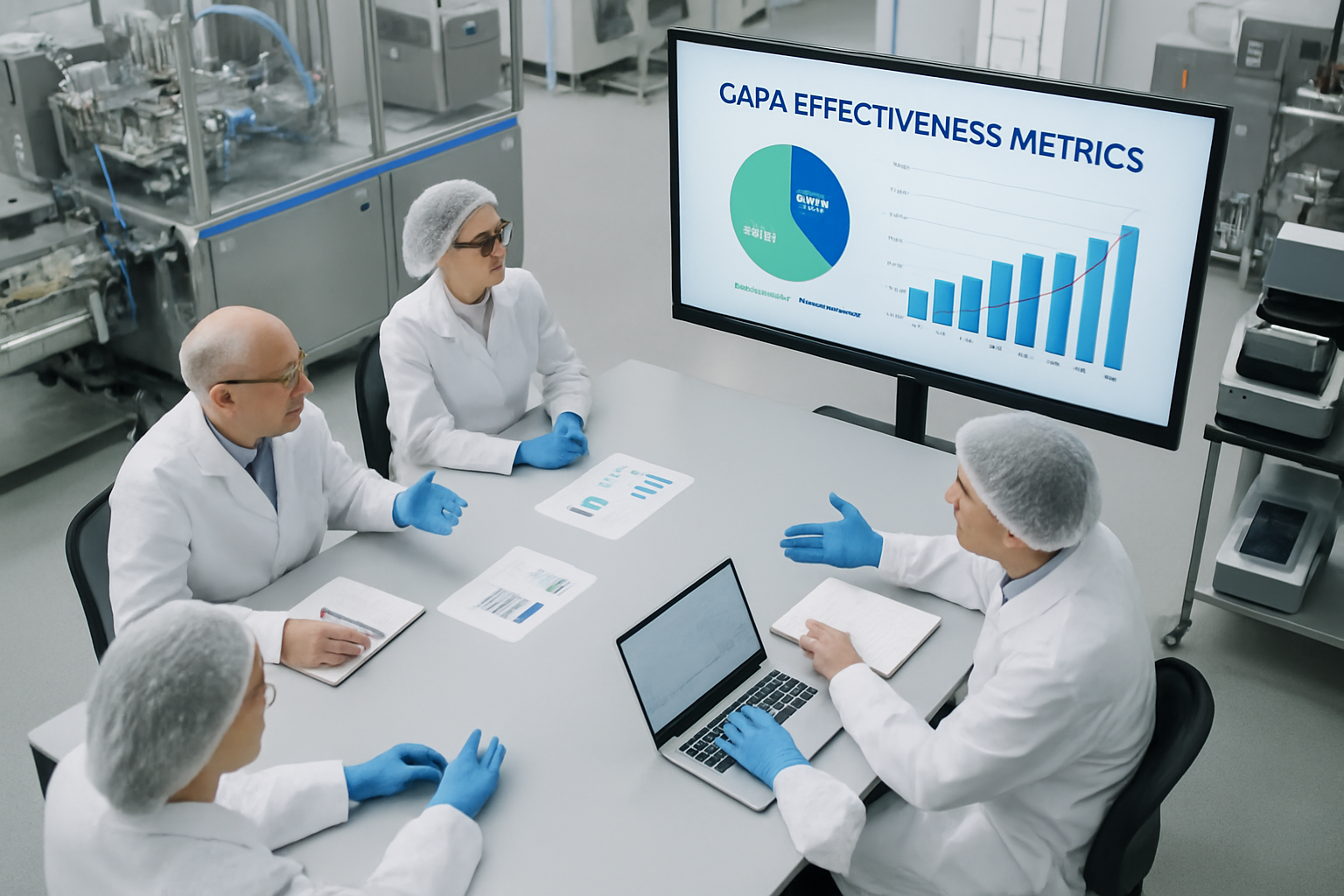
Failing to demonstrate CAPA effectiveness is a common compliance observation in the pharmaceutical industry. Issues such as recurring deviations, repeated out-of-specification (OOS) results, and consistent customer complaints often stem from ineffective CAPA systems. An inability to confirm the success of corrective actions can lead to:
- Quality failures in products
- Regulatory compliance issues
- Increased investigation workloads
- Operational inefficiencies
Regulatory inspectors frequently identify that the root cause of problems lies not in the initial deviation but in the organisation's lack of ability to demonstrate effective corrective actions.
Regulatory Standards for Evaluating CAPA Effectiveness
Regulatory bodies expect pharmaceutical firms to utilise objective data for confirming the effectiveness of implemented CAPAs. Areas typically reviewed during inspections include:
- The procedures governing CAPAs
- The investigations conducted to identify root causes
- Verification plans related to CAPA effectiveness
- Performance metrics and historical trend data
- Rationales for CAPA closures
Documented justification for closure is essential and should be based on thorough analyses rather than intuition.
Timing for CAPA Effectiveness Evaluation
Determining the appropriate timing for evaluating CAPA effectiveness is crucial. Assessing too early may not provide sufficient data to ascertain the prevention of recurrence, while evaluating too late may allow continued issues to persist. Factors influencing evaluation timing include:
- The frequency of the related processes
- Product lifecycle stages
- The operational risk associated with the process
- The historical incidence rate of similar failures
For instance, a CAPA linked to a packaging deviation may require several production runs to confirm effectiveness. Similarly, stability-related issues may necessitate months of monitoring for accurate assessment.
Methods for Evaluating Effectiveness
Monitoring Recurrences
Recurrence monitoring is a practical approach to evaluate the effectiveness of CAPAs by observing whether the original issues reoccur post-implementation. Examples of recurrence include:
- Repeated deviations
- Frequent customer complaints
- Consistent contamination events
- Ongoing equipment failures
While a lack of recurrence can indicate success, it does not definitively confirm it.
Analysing Trends
Trend analysis serves as a powerful tool for assessing CAPA effectiveness. This method tracks metrics such as:
- Deviation rates
- Complaint frequencies
- Results from environmental monitoring
- Indicators of process performance
For example, a reduction in excursions following environmental monitoring indicates a successful CAPA implementation. Companies that maintain effective trend analysis are often quicker to identify CAPA failures compared to those relying solely on recurrence monitoring.
Evaluating Performance Metrics
Pharmaceutical companies frequently employ quantitative metrics to assess CAPAs. Relevant metrics might include:
- Reduced frequency of deviations
- Lower complaint rates
- Higher equipment uptime
- Increased batch acceptance rates
When establishing performance metrics, ensure they are measurable, relevant, objective, and grounded in scientific rationale.
Implementing Process Monitoring
For CAPAs aimed at improving process performance, effectiveness can be gauged through process monitoring. Indicators might involve:
- Enhanced yield
- Process capability improvements
- Reduced variability
- Optimised cycle times
Statistical process control often provides robust evidence that corrective measures have achieved their intended outcomes.
Conducting Internal Audits
Internal audits are instrumental in verifying CAPA effectiveness, focusing on compliance with new processes, functionality of controls, and employee understanding of revised procedures. An audit revealing compliance at the time of review can serve as proof of CAPA success. However, audits alone should not be the sole evaluation method.
Observing Operational Practices
Direct observation is vital in assessing CAPAs that require changes in procedures or behaviours. Key areas to observe include:
- Gowning procedures
- Documentation practices
- Cleaning protocols
- Material handling
Many managers mistakenly assume that processes have been successfully implemented based on audit results. Direct observation often uncovers discrepancies in practice.
Assessing Training Impact
CAPAs frequently necessitate employee retraining; however, completion of training does not equate to effective learning. To evaluate training, consider:
- Practical demonstrations
- Interviews
- Knowledge assessments
- Workplace observations
Regulatory agencies increasingly seek robust evidence demonstrating that training leads to positive changes in employee performance.
Conducting Quality Risk Assessments
Risk assessments provide a valuable approach to evaluate CAPAs, particularly those with significant impacts. Assessments should consider:
- Severity
- Likelihood
- Detectability
A lower overall risk score suggests that the CAPA has been effective, supporting improvements in processes and contamination control.
Reviewing Customer Complaints
Insights regarding CAPA effectiveness can be derived from analysing customer complaint data. Categories for review include:
- Frequency of complaints
- Types of complaints
- Product trends
- Market feedback
A successful CAPA will typically correlate with a decrease in related complaints.
Analysing Investigations
A thorough examination of investigations into recurring complaints or issues can provide insights into CAPA effectiveness. Consider whether:
- Repeated root causes exist for the same issue
- The number of recurring deviations is escalating
- Failures related to CAPA are occurring in other areas
Consistent patterns in investigations may indicate shortcomings in the CAPA process.
Common Pitfalls in Evaluating CAPA Effectiveness
Several frequent errors can undermine the assessment of CAPA effectiveness:
- Premature closure of CAPAs
- Reliance on subjective evaluation methods
- Neglecting to utilise metrics
- Ignoring data trends
- Focusing on implementation over outcome
A particular misunderstanding seen in many organisations is equating the completion of CAPA actions with their effectiveness; meeting deadlines does not confirm that the issues have been resolved.
Key Metrics for CAPA Effectiveness
Organisations should develop measurable and relevant performance metrics to guide CAPA evaluations. Examples include:
- Recurrence rates of deviations
- Complaint recurrence rates
- Reduction in audit observations
- Decrease in OOS instances
- Improvements in environmental monitoring
- Enhancements in process capability
These metrics should align with the goals of the CAPA.
Overview: management's Role in CAPA Effectiveness Review
Senior management should routinely review trends related to CAPA effectiveness. This review process might encompass:
- The occurrence of recurring quality issues
- Open CAPAs and their age
- Trends associated with CAPAs
- Resource requirements
Management involvement fosters accountability and supports ongoing improvement initiatives.
Overview: cAPA Effectiveness During Regulatory Inspections
During regulatory inspections, assessors focus on CAPA effectiveness as it reflects the maturity of the quality management system. Key components reviewed include:
- Effectiveness criteria
- Monitoring durations
- Justifications for closures
- Trend assessments
Facilities with a history of recurring issues are subject to heightened scrutiny regarding their CAPA processes.
Best Practices for Effective CAPA Evaluation
Organisations with robust CAPA systems often adhere to several best practices, including:
- Defining effectiveness criteria before actions are implemented
- Utilising objective evidence
- Establishing quantifiable metrics
- Conducting consistent trend analysis
- Ensuring adequate monitoring for recurrence
- Evaluating based on risk
- Documenting results comprehensively with relevant stakeholders
Adherence to these best practices significantly increases compliance and operational performance.
Properly evaluating CAPA effectiveness is essential for maintaining high standards in pharmaceutical quality management. Identifying root causes and implementing corrective actions is vital, but demonstrating that these actions resolve issues permanently is paramount. Companies that approach CAPA effectiveness as a structured, data-driven endeavor are more likely to succeed in maintaining compliance while enhancing product quality and operational reliability.
Regulatory Guidelines
1. FDA Guidance for Industry: Quality Systems Approach to Pharmaceutical cGMP Regulations
2. FDA Investigations Operations Manual (IOM)
3. ICH Q10 Pharmaceutical Quality System
4. EU GMP Guidelines Volume 4, Chapter 1 Pharmaceutical Quality System
5. WHO Good Manufacturing Practices Guidelines
Comments (0)
Loading comments…
Checking sign-in status…