
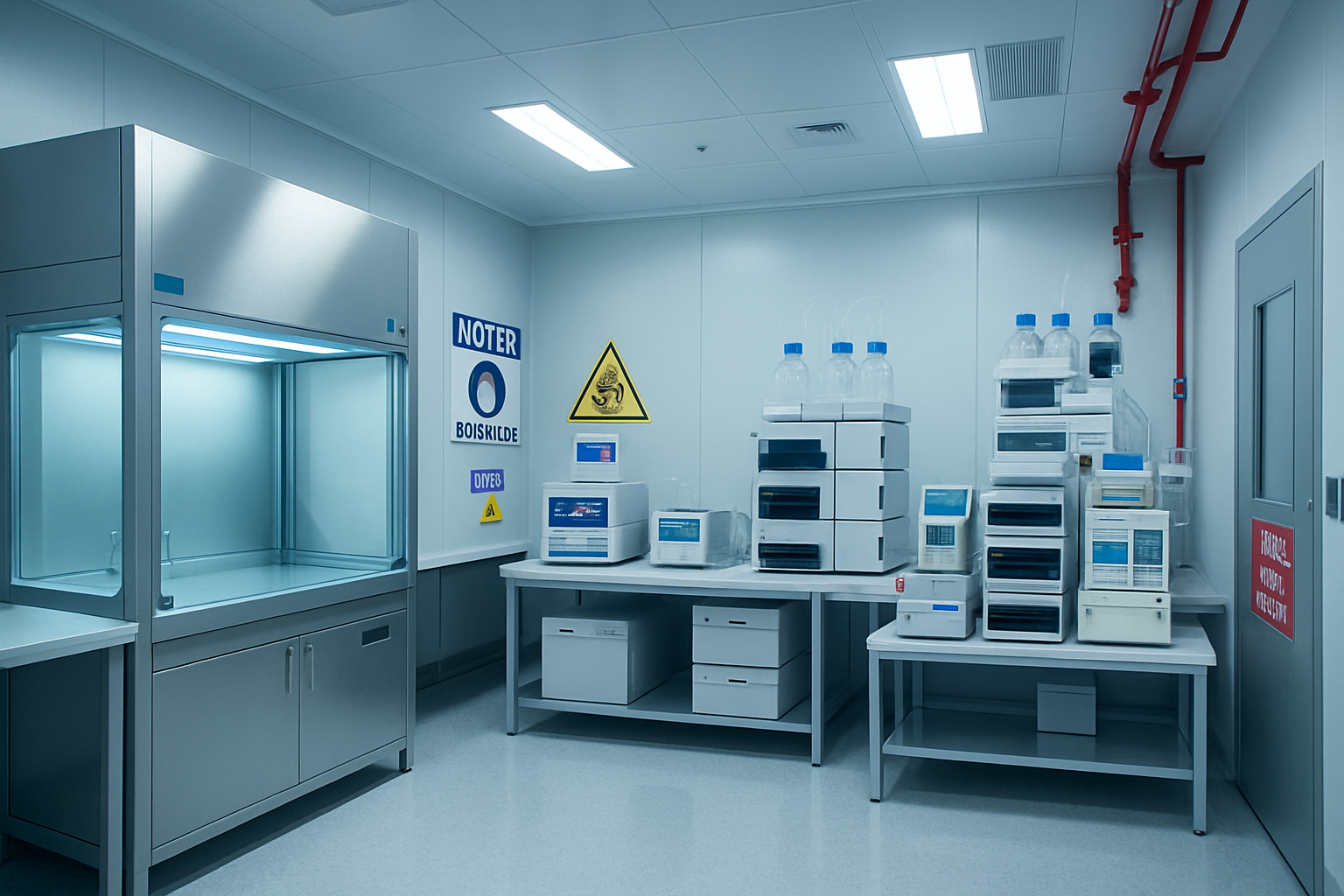
This article outlines fire risks, prevention strategies, and emergency protocols essential for pharmaceutical plants to safeguard both personnel and products.
Fire prevention is critical in pharmaceutical manufacturing due to the unique hazards associated with the production processes. Facilities face risks from flammable substances, electrical equipment, and the conditions under which products are produced. An incident can lead to substantial loss, including property damage, regulatory non-compliance, and potential harm to employees.
Understanding Fire Risks in Pharmaceutical Environments
Pharmaceutical manufacturing environments face heightened fire risks compared to other industries. Factors contributing to these risks include:
- The use of flammable solvents
- Handling of combustible powders
- A high density of electrical equipment
- Continuous operation of HVAC systems
- Storage of large quantities of solvents
- Presence of pressurized gas systems
Each type of pharmaceutical facility—whether producing sterile products, active pharmaceutical ingredients (APIs), or aerosols—presents specific fire safety challenges.
Identifying Key Fire Hazards
Pharmaceutical facilities potentially encounter multiple fire hazards resulting from their manufacturing processes. Notable hazards include:
Solvent Handling Locations
Areas where solvents are mixed, dispensed, or cleaned are particularly vulnerable. Poor ventilation or static electricity can exacerbate the potential for ignition.
Risks from Combustible Dust
Combustible dust poses a serious fire and explosion risk, especially in spaces where oral solid products are manufactured. Dust generated during dispensing, granulation, and milling can become airborne, leading to hazardous conditions.
Electrical Fire Hazards
Pharmaceutical manufacturing relies heavily on electrical systems for various processes. Overloads, damaged wiring, and inadequate maintenance can result in electrical fires, particularly given the continuous operation of equipment in cleanroom environments.
Utility and Boiler Risks
Areas housing utilities and boilers are fraught with fire dangers due to high temperatures, fuel handling, and pressurized systems, all of which require diligent maintenance to prevent leaks and other hazards.
Warehouse Fire Concerns
In warehouses, the presence of packaging materials, finished products, solvents, and corrugated boxes can facilitate rapid fire spread if suppression systems are lacking or inadequately designed.
Challenges in Cleanroom Safety
Fire safety in cleanrooms is complicated by the need to maintain environmental integrity. Conventional prevention methods can compromise cleanroom standards, necessitating careful planning to manage smoke, particulates, and pressure differentials.
The Fire Triangle in Pharmaceutical Settings
A fire requires three components: fuel, oxygen, and an ignition source. Pharmaceutical facilities often contain all three, increasing the risk of fire incidents. Common fuel sources and potential ignition sources include:
| Fuel Source | Ignition Source |
| Solvent vapors | Electrical sparks |
| Powder dust | Static discharge |
| Packaging materials | Hot surfaces |
| Cleaning chemicals | Friction or overheating |
Overview: engineering Strategies for Fire Prevention
Loading flowchart…
Implementing robust engineering controls is essential for preventing accidental fires.
Equipment Designed to Resist Explosions
In areas where flammable solvents are present, only explosion-proof electrical systems should be used. These systems include spark-proof motors, switches, and lighting fixtures, thereby minimising ignition risks.
Effective Ventilation Solutions
Proper ventilation is vital to mitigate the accumulation of flammable vapours and combustible dust. Effective systems facilitate the dilution of vapours and removal of airborne particles, thereby enhancing operator safety.
Management of Static Electricity
The build-up of static electricity can ignite flammable vapours. To manage this risk, strategies include grounding equipment, using conductive flooring, and wearing antistatic garments, especially during powder handling and solvent dispensing.
Advanced Fire Detection Systems
Integrating modern fire detection technologies is critical for early warning. Common options include smoke and heat detection systems, flame detectors, and addressable alarms, all of which should be connected to the facility’s emergency response systems.
Integrated Fire Suppression Mechanisms
In the event of a fire, automatic suppression systems provide rapid response. Options include sprinkler systems, gas suppression, and foam systems, with the specific choice dependent on manufacturing processes and associated hazards.
Ensuring Safe Solvent Storage
Storage areas housing flammable solvents must adhere to stringent safety measures, including using flameproof electrical equipment, providing adequate ventilation, and ensuring proper material segregation and containment systems.
Fire Safety During Equipment Upkeep
Routine maintenance can significantly heighten fire risks. Activities such as welding, grinding, and electrical repairs demand strict adherence to hot work permit protocols, ensuring all precautions are observed.
Fire Safety Considerations for HVAC Systems
HVAC systems must be designed to prevent fire spread. Essential considerations include the installation of fire dampers, smoke control systems, and protocols for duct maintenance.
Hot Work Permit Implementation
Before engaging in activities that could generate ignition sources, a structured hot work permit system should be utilised, ensuring all necessary safety protocols are followed, including area inspections and the availability of fire extinguishers.
Developing Emergency Response Protocols
Even with preventative measures in place, a comprehensive emergency response plan is vital. This plan should outline evacuation procedures, emergency contacts, and responsibilities for firefighting and managing utilities.
Conducting Fire Drills and Emergency Preparedness
Regular fire drills are essential to evaluate the effectiveness of evacuation processes and response times. Mock emergencies should encompass various areas, including production, warehouses, and utility zones.
Comments (0)
Loading comments…
Checking sign-in status…