
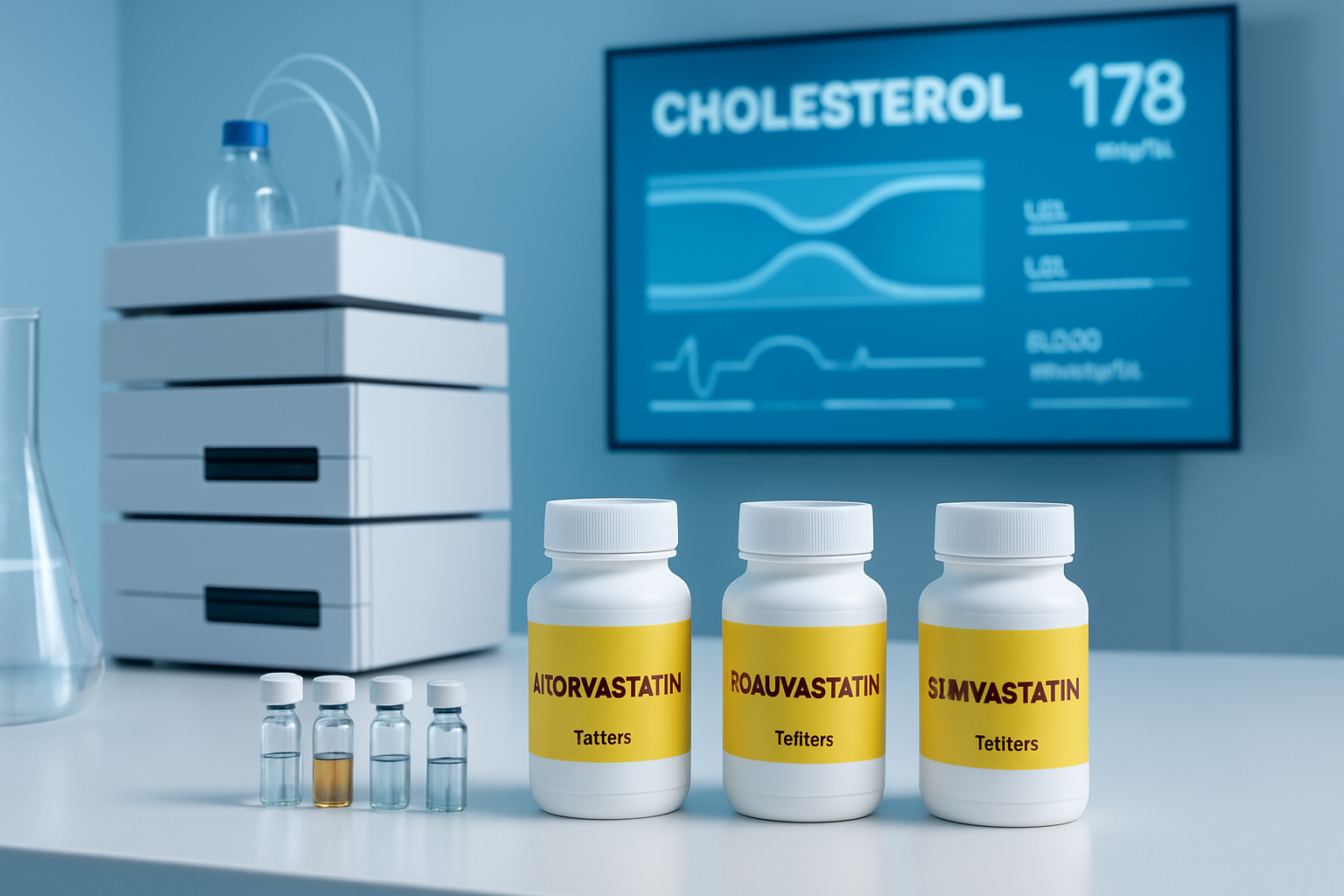
Cholesterol levels, arterial health, liver conditions, and obesity are interconnected, influencing each other and leading to complex health challenges. Elevated cholesterol can cause atherosclerosis, while obesity increases the risk of various diseases, including liver complications.
Understanding the relationship between cholesterol levels, arterial health, liver function, and body weight is essential in the pharmaceutical and healthcare sectors. Each condition influences the others, often leading to complex health challenges.
Understanding Elevated Cholesterol

Conditions characterized by high blood cholesterol levels are known as hypercholesterolemia. Cholesterol, a waxy substance, is present in every cell throughout the body. It is derived from various sources, particularly animal products like meat, poultry, dairy, and eggs. Additionally, certain dietary fats, particularly saturated and trans fats, can stimulate the liver to produce excessive cholesterol, resulting in hypercholesterolemia.
Cholesterol serves several functions in the body, including aiding in the formation of cell membranes and synthesizing certain hormones. However, elevated cholesterol levels can significantly increase the risk of coronary artery disease.
Contributing Factors to Elevated Cholesterol
Excess cholesterol can accumulate within the coronary arteries, forming fatty deposits that lead to atherosclerotic plaques. This process narrows and hardens the arteries, potentially obstructing blood flow and depriving the heart of oxygen-rich blood. Such conditions can increase the likelihood of heart attacks and angina. In severe cases, the carotid arteries, which supply blood to the brain, may also narrow, raising the risk of stroke.
Inheritable forms of hypercholesterolemia, such as familial hypercholesterolemia, can lead to visible signs like cholesterol deposits beneath the eyelids. While genetics play a role, lifestyle factors like a high-fat diet and lack of physical activity are often significant contributors. A healthy lifestyle with regular exercise and a balanced diet can mitigate these risks. If lifestyle changes prove insufficient, healthcare professionals may recommend cholesterol-lowering medications.
Cholesterol and Atherosclerosis
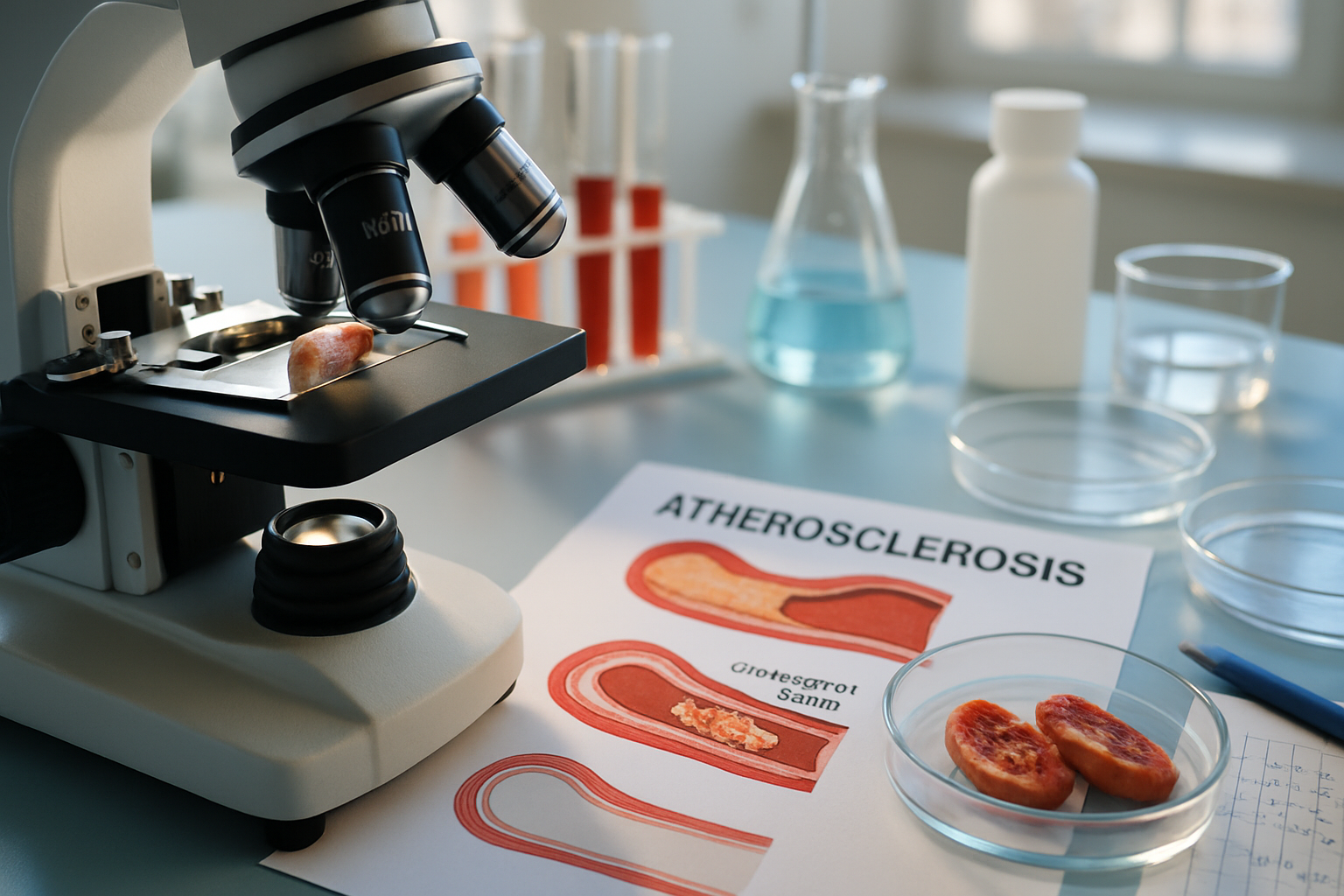
Atherosclerosis primarily results from the accumulation of cholesterol plaques in the arteries, leading to their hardening and narrowing over time. This condition complicates blood flow, potentially causing various cardiovascular diseases, including heart attacks and strokes. The endothelium, the inner lining of the arteries, plays a crucial role in maintaining vascular health; damage to this lining often triggers atherosclerosis.
Factors Leading to Atherosclerosis
Several factors can contribute to endothelial damage and subsequently atherosclerosis:
- Smoking
- Diabetes and obesity
- High blood pressure
- Inflammation
- High cholesterol levels
Once the endothelium is compromised, low-density lipoprotein (LDL) cholesterol can infiltrate the arterial walls. White blood cells attempt to digest the cholesterol, leading to plaque formation. As the plaques grow, they may obstruct blood flow, which can cause pain or even sudden artery rupture, resulting in blood clots.
Fatty Liver Disease
Fatty liver, or hepatic steatosis, occurs when excess triglycerides and fats accumulate within liver cells. While the liver naturally contains small amounts of fat, excessive fat can lead to serious health complications. This condition may also involve inflammation and cell death, known as steatohepatitis.
Stages of Fatty Liver Disease
Fatty liver disease progresses through several stages:
- Simple Fatty Liver: Accumulation of fat without inflammation; generally harmless.
- Steatohepatitis: Inflammation occurs alongside fat accumulation.
- Fibrosis: Persistent inflammation leads to scarring, although liver function remains largely intact.
- Cirrhosis: Severe scarring impairs liver function, with irreversible damage.
Symptoms of fatty liver may be minimal or absent, but when present, they can include fatigue, abdominal discomfort, and jaundice. Complications may include liver scarring and an increased risk of liver cancer.
Understanding Obesity
Obesity is defined by an excessive accumulation of body fat, which poses significant health risks beyond mere appearance. It increases the likelihood of developing conditions such as hypertension, diabetes, heart disease, and specific cancers. The body mass index (BMI) is a standard measure used to classify individuals as overweight or obese, calculated by dividing a person's weight in kilograms by the square of their height in meters.
Classification of Weight Status
The World Health Organization (WHO) defines weight categories based on BMI:
- Overweight: BMI of 25 or higher
- Obesity: BMI greater than 30
While BMI serves as a useful tool for assessing population-level weight status, it should be considered alongside other health indicators, especially in children, where growth patterns must be taken into account.
Comments (0)
Loading comments…
Checking sign-in status…